Enhancing Your Garden Design with the Dwarf Chestnut Plant: A Landscaping Guide
1
Dwarf Chestnut flourishes in adequately drained, somewhat acidic soil and requires ample sunlight to partial shade.
2
Dwarf Chestnut complements companion flora like azaleas and rhododendrons, creating an attractive garden display.
3
Consistent maintenance and observation can aid Dwarf Chestnut in fending off typical pests and ailments.
Introducing Dwarf Chestnut in Garden Design
Overview of Dwarf Chestnut and its distinct features
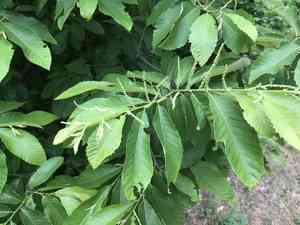
Dwarf Chestnut, recognized for its striking appearance and adaptability, makes an excellent addition to any landscape plan. With its broad, shiny leaves and compact growth habit, this plant adds a refined touch to your outdoor space. Its unique attributes, such as drought tolerance and moderate resilience to various soil types, make it an ideal selection for both new and experienced gardeners alike.
Advantages of incorporating Dwarf Chestnut into your garden or landscape
Integrating Dwarf Chestnut into your garden provides numerous advantages. Its seasonal beauty guarantees a visually appealing landscape throughout the year. Dwarf Chestnut offers a natural habitat for local wildlife, fostering biodiversity. This plant also demands minimal upkeep, freeing up your time while ensuring your garden stays lush and vibrant.
Selecting the Optimal Site for Dwarf Chestnut
Factors to consider when choosing a planting location for Dwarf Chestnut
Choosing the perfect spot for Dwarf Chestnut is crucial for its development and vitality. Key considerations include sunlight availability, soil drainage, and protection from strong winds. Position Dwarf Chestnut where it can receive morning sun but be shielded from intense afternoon rays. Ensure the soil drains well to prevent root rot and avoid low-lying areas where water tends to collect.
How light exposure and soil composition influence Dwarf Chestnut's development
Sunlight and soil type play critical roles in Dwarf Chestnut's growth. This plant thrives best in areas with full sun to partial shade, receiving at least six hours of direct sunlight daily. Additionally, Dwarf Chestnut is well-suited for slightly acidic to neutral pH soils. Ensure the soil is rich in organic matter to support its growth, and consider adding compost or well-rotted manure to enhance soil fertility.
Integrating Dwarf Chestnut with Other Flora
Companion plants that boost Dwarf Chestnut's growth and visual appeal
Pairing Dwarf Chestnut with appropriate companion plants can enhance both its development and the overall aesthetic of your garden. Ideal companions include azaleas, rhododendrons, and heather, as they share similar soil and light requirements. These plants not only complement Dwarf Chestnut visually but also support a healthy garden ecosystem through increased biodiversity.
Design approaches for a harmonious landscape
Creating a cohesive landscape design with Dwarf Chestnut involves strategic placement and plant selection. Consider layering plants of varying heights, with Dwarf Chestnut serving as a mid-tier element. Incorporate evergreens for year-round structure, and add seasonal flowers for bursts of color. Ensure a balanced composition by placing Dwarf Chestnut alongside varying textures and tones, creating a harmonious and appealing garden.
Seasonal Care Guidelines for Dwarf Chestnut
Spring and summer maintenance for Dwarf Chestnut's health
In spring and summer, focus on maintaining Dwarf Chestnut's health through consistent watering, mulching, and pruning. Water deeply once a week, especially during dry periods, to keep the soil moist but not waterlogged. Apply a layer of mulch to conserve soil moisture and regulate temperature. Prune Dwarf Chestnut to remove dead or diseased branches, promoting healthy growth and encouraging a compact shape.
Preparing Dwarf Chestnut for Autumn and Winter: Essential Steps
Prepare Dwarf Chestnut for fall and winter by adjusting your care routine. Reduce watering as temperatures drop to prevent root rot. Add a thick layer of mulch to protect the roots from freezing temperatures. Check for pest infestations and treat them promptly to avoid plant stress. Providing the necessary protection and care ensures Dwarf Chestnut remains healthy and ready to flourish when spring arrives.
Common Challenges in Cultivating Dwarf Chestnut and Solutions
Managing pests and diseases that affect Dwarf Chestnut
While Dwarf Chestnut is generally robust, it can occasionally encounter issues with pests like aphids and diseases such as root rot. Combat pests by using insecticidal soap or neem oil. Ensure good air circulation around the plant to reduce humidity and prevent fungal diseases. Regularly inspect Dwarf Chestnut for early signs of trouble and take prompt action to maintain its health.
Soil and nutrient problems: Identification and remediation
Soil and nutrient deficiencies can hinder Dwarf Chestnut's growth. Symptoms like yellowing leaves may indicate iron deficiency or poor soil quality. Conduct a soil test to identify nutrient imbalances and amend the soil with the necessary fertilizers. Regularly apply organic compost to enrich the soil, ensuring Dwarf Chestnut receives the nutrients it needs for robust growth.



