Enhancing Your Garden Design with the American chestnut Plant: A Landscaping Guide
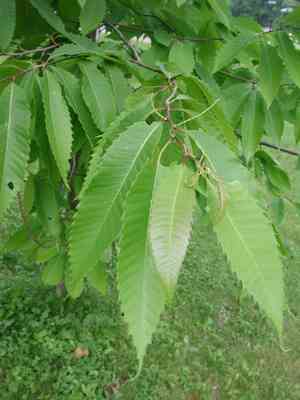
1
Introducing American chestnut can enhance your garden's variety of life and bring a sense of historical importance.
2
Selecting the appropriate site and environment is crucial for the thriving development of American chestnut.
3
Integrate American chestnut into diverse garden designs to form attractive and functional outdoor spaces.
Introducing American Chestnut to Your Landscape
Discover the beauty and ecological value of adding American chestnut to your garden.
American chestnut makes a wonderful addition to any garden, providing both visual appeal and environmental advantages. Its grand stature and thick canopy offer shade and refuge for various wildlife. Furthermore, American chestnut can improve soil quality by preventing erosion and enriching it with organic matter from fallen leaves. Visually, its attractive foliage and seasonal changes bring interest and variety to your outdoor space. Including American chestnut can transform a garden into a haven for birds and insects, fostering a small ecosystem right in your yard.
A look at the historical importance of American chestnut in natural environments.
Historically, the American chestnut held a prominent position in native ecosystems. It was once a dominant species in its natural habitats, offering immense ecological worth. However, years ago, the American chestnut population was severely impacted by blight, leading to a drastic decline in its numbers. Despite this setback, efforts to restore American chestnut highlight its significance as both a cultural symbol and a vital ecological component. Planting American chestnut in your garden not only honors its rich past but also contributes to its preservation and recovery.
Selecting the Best Spot for American Chestnut
Key considerations for choosing a planting site for American chestnut.
When picking the ideal location for American chestnut, several factors are important. First, assess the available space; American chestnut requires ample room for its large canopy and root system. It's also crucial to plant it away from buildings and utility lines to prevent future problems. Accessibility is another vital aspect. Choose a spot that allows easy access for routine care and potential pest management. Finally, place American chestnut where it can best fulfill its purposeâwhether as a shade provider, a central feature, or a natural boundary.
How light exposure and soil composition influence American chestnut growth.
American chestnut thrives in areas with full sun but can also tolerate some partial shade. Ideally, aim for at least six hours of direct sunlight daily for optimal development. Regarding soil, American chestnut prefers well-drained, loamy soil rich in organic material. Avoid locations with compacted or waterlogged soils, as these conditions can impede root growth and overall health. Before planting, consider a soil test to determine pH levels and nutrient content, making necessary adjustments to create a favorable growing environment for American chestnut.
Design Ideas Using American Chestnut
Incorporating American chestnut into various garden stylesâformal, cottage, and woodland.
American chestnut offers flexible design potential, fitting seamlessly into diverse garden aesthetics. In formal gardens, plant American chestnut symmetrically to achieve balance and grandeur. Its dignified presence complements structured layouts and trimmed hedges. For cottage gardens, American chestnut adds a touch of rustic charm. Planting it alongside colorful perennials and climbing roses can enhance the area's whimsical appeal. In woodland gardens, American chestnut acts as a foundational species, blending effortlessly with native shrubs and wildflowers. Its natural form and broad canopy create a woodland feel, perfect for tranquil, shaded retreats.
Creating focal points and natural screens with American chestnut.
American chestnut can serve as a striking focal point in any garden, drawing attention and providing year-round interest. Its lush foliage and seasonal changes offer visual variety. Positioning American chestnut as a focal point establishes a central theme and anchor for other planting designs. Additionally, American chestnut can function as a natural boundary or screen, offering privacy and defining areas within a landscape. Plant it along property lines or around outdoor living spaces to create secluded, intimate areas. Its dense canopy and robust form make it an effective and attractive natural barrier.
Seasonal Care for American Chestnut
What to expect from American chestnut throughout the year.
American chestnut undergoes beautiful transformations with each season, adding dynamic interest to your garden. In spring, anticipate a burst of fresh, green foliage as American chestnut awakens. Throughout summer, the tree provides dense, cooling shade. Fall brings a magnificent display of yellow and gold leaves, offering a breathtaking autumnal show. In winter, American chestnut displays a sculptural form, with its branching structure providing visual interest against a snowy backdrop. Understanding these seasonal changes helps you anticipate and plan for the maintenance and aesthetic appeal of American chestnut year-round.
Maintaining the beauty of American chestnut throughout the year.
Maintaining American chestnut involves routine care adapted to each season. In spring, focus on pruning to shape the tree and remove any dead or damaged branches. Summer care includes regular watering, especially during dry spells, and monitoring for pests. As fall approaches, clear fallen leaves to prevent disease and encourage a healthy ground layer. Winter preparation involves mulching around the base to protect roots from frost. By understanding and addressing the seasonal needs of American chestnut, you ensure its sustained beauty and health throughout the year, enhancing your landscape's overall appeal.
Companion Planting with American Chestnut
Ideal plants to pair with American chestnut for enhanced visual appeal and biodiversity.
Pairing American chestnut with suitable companions can maximize its visual impact and promote biodiversity. Consider planting native wildflowers, ferns, and groundcovers that thrive in similar conditions. These plants enhance the natural look and provide continuous ground cover, reducing weeds and soil erosion. For added height and texture, integrate shrubs like azaleas or rhododendrons. Additionally, consider incorporating flowering perennials such as coneflowers and black-eyed Susans. These pairings not only create a visually appealing garden but also support a diverse range of pollinators and beneficial insects.
Understanding the advantages of diverse planting strategies.
Diverse planting offers numerous benefits, especially when incorporating American chestnut. A varied garden reduces the likelihood of pest outbreaks, as different plants attract various species that can naturally control pest populations. Biodiversity also promotes healthier soil, as different root systems contribute to improved soil structure and nutrient cycling. Moreover, a mix of plants ensures that your garden remains vibrant and resilient throughout the year, with varying bloom times and foliage colors. Incorporating a variety of plants around American chestnut enhances both the ecological health and the aesthetic appeal of your landscape.
Common Errors to Avoid with American Chestnut
Key mistakes in cultivating and designing with American chestnut.
Growing and designing with American chestnut can be rewarding, but it's crucial to avoid common errors to ensure success. A major pitfall is planting American chestnut in unsuitable soil or locations with insufficient sunlight, which can hinder its growth. Overwatering or poor drainage can lead to root rot and other diseases. Additionally, neglecting to monitor for pests and diseases can result in significant damage to the tree. In design, placing American chestnut too close to structures or other trees can lead to overcrowding, limiting its growth potential and overall health.
Advice for successful American chestnut projects in your landscape.
To ensure success with American chestnut in your landscape projects, begin by selecting an appropriate planting site with well-drained soil and ample sunlight. Regularly prune the tree to maintain its shape and health. Implement a consistent watering schedule, especially during dry periods, but be careful not to overwater. Monitor for pests and diseases, addressing any issues promptly. Lastly, integrate American chestnut thoughtfully into your landscape design, considering its mature size and role within the overall layout. By following these tips, you can enjoy the beauty and benefits of American chestnut in your garden for many years.



