Enhancing Your Garden Design with the Shagbark hickory Plant: A Landscaping Guide
1
Shagbark hickory's distinctive bark texture makes it a prominent element in any outdoor setting.
2
Incorporating Shagbark hickory into diverse garden designs offers both visual appeal and environmental advantages.
3
Careful consideration of area, substrate, and illumination requirements guarantees the robust development of Shagbark hickory.
Exploring the Visual Appeal of Shagbark Hickory
Distinctive Bark Texture: Its Visual Impact
A key characteristic of Shagbark hickory is its unique bark, which offers a striking visual element in any landscape. The bark's rugged, peeling appearance creates a rustic, naturalistic look. This texture not only adds visual interest but also interacts with light throughout the day, producing dynamic visual effects in your garden. Whether illuminated by morning sun or dappled afternoon light, the bark of Shagbark hickory consistently draws attention and adds depth to the scenery.
Seasonal Foliage Changes and Their Aesthetic Effect
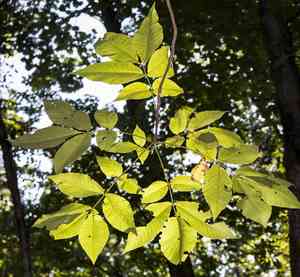
The seasonal color shifts of Shagbark hickory provide a vibrant and dynamic aspect to any garden. In spring and summer, its lush green leaves offer a fresh and lively backdrop. By autumn, the foliage transforms into brilliant yellows and golden browns, bringing warmth and a burst of color to the landscape. This seasonal transformation allows Shagbark hickory to serve as a natural focal point year-round, ensuring your garden remains visually appealing across all seasons.
Height and Canopy Dimensions: Shaping Your Outdoor Space
The impressive height and broad canopy of Shagbark hickory can effectively structure and define garden areas. With mature trees reaching significant heights, Shagbark hickory can create natural layers and vertical interest in your landscape design. Its wide canopy offers ample shade, making it ideal for creating shaded zones for relaxation or understory plantings. Its majestic presence can act as an anchor in your garden, providing a sense of scale and grandeur.
Incorporating Shagbark Hickory into Various Landscape Styles
Rustic Country Gardens: Enhancing Natural Charm
Shagbark hickory seamlessly integrates into rustic country garden themes with its natural bark and seasonal changes. This tree contributes to the overall naturalistic ambiance, blending well with elements like wooden benches, stone paths, and flowering shrubs. Planting Shagbark hickory in a country garden not only boosts its scenic beauty but also helps create an inviting and tranquil outdoor space. Its unrefined charm complements the casual, relaxed feel often desired in rustic garden designs.
Modern Urban Settings: Balancing Structure and Nature
In contemporary urban landscapes, Shagbark hickory can be utilized to balance structural elements with natural beauty. Its towering presence provides a contrast to sleek, modern architectural lines and hardscape features. The textured bark and seasonal colors introduce organic elements into urban spaces, softening the overall look and fostering a harmonious blend of man-made and natural components. This tree can serve as a central feature in minimalist designs, offering both visual appeal and practical benefits like shade.
Wildlife-Friendly Environments: Supporting Local Ecosystems
For those aiming to create wildlife-friendly gardens, Shagbark hickory is an excellent choice. The tree provides crucial habitat for various local wildlife, including birds, insects, and small mammals. Its nuts offer a food source for wildlife, while the bark provides nesting opportunities for birds. By integrating Shagbark hickory into your landscape, you support local biodiversity and create an eco-friendly garden that contributes to the local ecosystem. This makes your space not only beautiful but also environmentally beneficial.
Practical Considerations for Cultivating Shagbark Hickory
Space Requirements: Planning for Future Growth
A primary consideration when planting Shagbark hickory is the amount of space it needs. Given its potential to reach considerable heights and canopy spreads, it's crucial to plan accordingly. Ensure there's ample room for it to grow without interfering with buildings, power lines, or other garden features. Adequate spacing also promotes healthy growth by allowing sunlight to reach all parts of the tree and preventing competition for nutrients with nearby plants.
Soil Preferences: Ensuring Optimal Development
Shagbark hickory thrives best in well-drained, loamy soil rich in organic matter. While it can adapt to various soil types, optimal growth is achieved in conditions that mimic its natural habitat. Conduct a soil test to determine pH levels and nutrient content, then amend the soil as needed to provide the best growing conditions. Mulching around the base can help retain moisture and regulate soil temperature, giving Shagbark hickory a better chance to establish and flourish.
Sunlight and Water Needs: Essentials for a Thriving Shagbark Hickory
Appropriate sunlight and watering are vital for the health of Shagbark hickory. This tree prefers full sun, requiring at least six hours of direct sunlight daily for robust growth. Regarding watering, young trees need consistent moisture to establish their roots, while mature trees are more drought-tolerant but still benefit from occasional deep watering during dry periods. Monitoring weather conditions and adjusting watering schedules accordingly can help ensure Shagbark hickory remains healthy and vibrant.
Environmental Advantages of Including Shagbark Hickory
Air Quality Improvement: Shagbark Hickory's Contribution
A significant environmental benefit of planting Shagbark hickory is its capacity to enhance air quality. Through photosynthesis, the tree absorbs carbon dioxide and releases oxygen, which helps reduce atmospheric greenhouse gases. Additionally, its leaves can trap dust, pollen, and other particulate matter, acting as a natural air filter. By incorporating Shagbark hickory into your landscape, you contribute to cleaner air and a healthier environment.
Soil Health Enhancement: The Role of Shagbark Hickory's Root System
The root system of Shagbark hickory plays a crucial role in improving soil health. These roots help prevent soil erosion by stabilizing the ground, particularly on slopes and embankments. They also enhance soil structure by creating channels for water infiltration and root aeration. Furthermore, as roots decompose, they add organic matter to the soil, enriching it and fostering the growth of beneficial microorganisms. This process boosts the overall fertility and resilience of your garden soil.
Habitat Provision: Supporting Biodiversity
Shagbark hickory offers valuable habitat resources that support local biodiversity. The tree provides nesting sites for birds and shelter for various wildlife species. Its nuts serve as a food source for animals like squirrels and deer, while insects find habitats within its bark. By planting Shagbark hickory, you create an ecosystem that supports a wide range of species, promoting biodiversity and fostering a balanced, sustainable environment in your garden.



