Enhancing Your Garden Design with the Pecan Plant: A Landscaping Guide
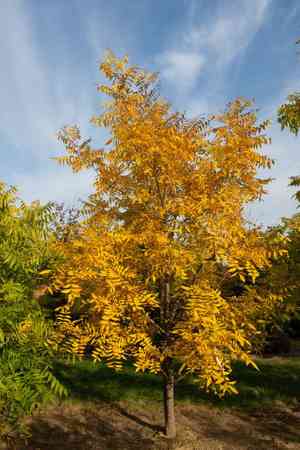
1
Pecan trees flourish in bright areas with soil that drains effectively.
2
Pecan's visual charm provides continuous appeal to any landscape.
3
Appropriate Pecan maintenance involves consistent irrigation, nutrient provision, and trimming.
Why Incorporate Pecan into Your Garden Design?
Pecan's Visual Allure
When planning your landscape, the aesthetic impact of plant selections is crucial. Pecan offers an appealing, expansive canopy that imparts a sense of grandeur and sophistication to any setting. Its foliage, which transforms into a striking golden hue in autumn, provides a vivid contrast to typical green. Furthermore, Pecan's majestic presence can serve as a central feature in large gardens or parks, grounding the overall design with its commanding stature.
Pecan's Resilience and Adaptability
Pecan is more than just visually pleasing; it's also recognized for its toughness and versatility. It thrives in diverse soil types, from sandy to loamy, and can even endure dry spells once mature. This makes Pecan an excellent option for gardeners who prefer low-maintenance plants. Moreover, it resists pests and diseases, ensuring it remains a dependable element of your landscape for many years.
Pecan's Year-Round Visual Interest
One of Pecan's most compelling attributes is its capacity to offer visual appeal throughout the year. In spring, its fresh green leaves signal the garden's renewal. Summer brings lush foliage that provides shade and a cooling effect. Autumn transforms Pecan into a burst of gold, and even in winter, its bare branches add a sculptural element to the landscape. This continuous cycle of change means Pecan can keep your garden attractive regardless of the season.
Selecting the Ideal Spot for Pecan in Your Landscape
Assessing Sunlight and Shade Needs
To ensure Pecan's success, it's vital to choose a location that provides optimal sunlight. Pecan flourishes best in full sun, requiring at least six hours of direct sunlight daily. However, it can also tolerate partial shade, particularly in very hot climates. Confirm that your chosen site isn't excessively shaded by buildings or other large trees, as ample sunlight is crucial for Pecan's healthy development and nut production.
Soil Types and Drainage Considerations
While Pecan adapts to various soil types, it performs optimally in well-drained, loamy soils. If your garden has heavy clay soil, consider enriching it with organic matter to enhance drainage and aeration. Poorly drained soils are detrimental to Pecan, as waterlogged conditions can lead to root rot and other problems. Conduct a soil test to determine your soil's pH and fertility, making any necessary adjustments to create ideal growing conditions for Pecan.
Space Requirements for Pecan's Growth
Another critical factor in choosing the right location for Pecan is considering its mature dimensions. Pecan can grow quite large, often reaching heights of 70 to 100 feet with a similar spread. Therefore, it's important to plant it in an area with ample space to accommodate its growth without encroaching on other plants or structures. Ensure sufficient air circulation around Pecan to prevent potential fungal diseases and to facilitate easy maintenance as the tree matures.
Integrating Pecan into Your Existing Garden Design
Design Principles: Balancing Height and Spread
When incorporating Pecan into your garden layout, equilibrium is essential. Due to its considerable height and spread, Pecan is best placed towards the rear of garden beds or as a standalone feature. Be mindful of your garden's scale and use Pecan to create layers and depth. For instance, planting smaller shrubs and perennials in front of Pecan can help harmonize the vertical and horizontal elements of your landscape.
Complementary Planting Ideas
Pairing Pecan with compatible plants can enhance your garden's overall aesthetic appeal. Consider underplanting with shade-tolerant perennials or ground covers that thrive in the dappled light beneath Pecan's canopy. Plants such as hostas, ferns, and spring bulbs can flourish in these conditions and add textural contrast. Additionally, flowering shrubs and annuals with vibrant blooms can create a visually appealing palette when planted around Pecan.
Creating Focal Points with Pecan
Using Pecan as a focal point can elevate your garden's design. Whether positioned at the front of your property or as a centerpiece in a large lawn, Pecan draws the eye and grounds the surrounding landscape. Consider accentuating its beauty with landscape lighting for an impressive night-time display or highlighting it with a garden bench or decorative pathway that encourages visitors to pause and appreciate its grandeur.
Care Tips to Maintain Pecan's Health in the Landscape
Basic Watering Guidelines for Pecan
To maintain Pecan's health, proper irrigation is crucial, especially during its establishment phase. For the first few years, Pecan should be watered deeply and consistently to encourage a strong root system. Aim to water it once or twice weekly, providing enough moisture to penetrate the soil to a depth of 8 to 12 inches. Once mature, Pecan becomes more drought-tolerant, but it will still benefit from deep watering during prolonged dry spells.
Fertilization and Nutrient Requirements
Regular fertilization is key to promoting robust growth and nut production in Pecan. In early spring, apply a balanced fertilizer, such as a 10-10-10 formula, to support new growth. Additional applications of nitrogen-rich fertilizer in late spring and early summer can further boost Pecan's development. Ensure you follow the manufacturer's recommendations for application rates to avoid over-fertilization, which can harm the tree.
Pruning Tips: When and How to Trim Pecan
Proper pruning practices help maintain Pecan's health and form. The optimal time to prune Pecan is in late winter to early spring before new growth begins. Remove any dead, damaged, or diseased branches, as well as any that cross or rub against each other. Thinning the canopy can improve air circulation and reduce the risk of fungal diseases. Use clean, sharp tools to make precise cuts and avoid tearing the bark, which can lead to infections.



