Enhancing Your Garden Design with the Pignut hickory Plant: A Landscaping Guide
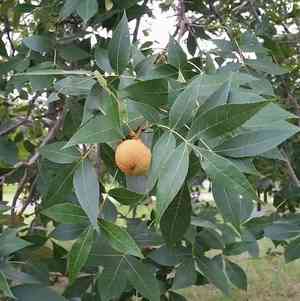
1
Selecting an appropriate site for Pignut hickory promotes robust development and optimizes its aesthetic appeal.
2
Pignut hickory provides year-round attractiveness, enriching your outdoor space throughout the seasons.
3
Pignut hickory benefits native fauna and fosters an ecologically balanced environment.
Introducing Pignut hickory to Your Garden: A Visual and Functional Asset
Enhancing Garden Structure: Where to Plant Pignut hickory
Adding Pignut hickory to your garden can significantly improve your landscape design. The key is to choose the ideal spot that allows the tree to flourish while visually enhancing the area. Pignut hickory prefers locations with well-drained soil and full sun but can endure partial shade. Strategically placing Pignut hickory, such as in a corner or as a solitary focal point, can bring structure and balance to your garden. Consider planting it near paths or seating areas where its summer shade can be enjoyed.
Seasonal Beauty: What Pignut hickory Offers Across Seasons
Pignut hickory is more than a single-season marvel; it provides year-round beauty to your landscape. In spring, its delicate leaves begin to emerge, adding fresh greenery to your garden. Summer brings a full canopy of foliage, offering ample shade and a cool retreat. By autumn, Pignut hickory transforms with vibrant fall colors, creating a visually stunning backdrop. Even in winter, its bare branches and distinct bark present an interesting texture and silhouette against the winter sky.
Long-Term Growth: Understanding Pignut hickory's Development
When planting Pignut hickory, it's crucial to consider its long-term development to ensure it aligns with your landscaping plans for years ahead. Pignut hickory is a slow-growing tree, with its roots gradually spreading. It is known for its high resilience and can live for many decades, sometimes even centuries. This longevity makes it an excellent choice for a legacy tree. However, be prepared for its size, as Pignut hickory can reach heights between 60 to 80 feet when fully mature, with a spread of about 25 to 35 feet.
Complementary Plants and Design Tips for Pignut hickory
Selecting Companion Plants: Enhancing Pignut hickory's Aesthetics
To maximize the visual appeal of Pignut hickory, consider pairing it with complementary plants. Understory plants like ferns, hostas, and woodland flowers thrive in the dappled sunlight beneath Pignut hickory's canopy. Additionally, shrubs such as azaleas or rhododendrons can add layers of texture and color. These combinations can create a lush, multi-tiered landscape that highlights the natural beauty of Pignut hickory.
Design Principles: Arranging Plants Around Pignut hickory
Arranging plants around Pignut hickory involves a thoughtful design approach, focusing on balance and harmony. Start by establishing Pignut hickory as the central feature and arrange smaller plants around it in a way that draws the eye. Group plants in odd numbers, creating a pleasing natural look. Use pathways and garden ornaments to complement the arrangement and provide easy access for maintenance.
Color Coordination: Matching Pignut hickory's Bark and Leaves
Considering color coordination can significantly enhance your garden's appearance. Pignut hickory's bark features interesting textures and hues of gray and brown, which can look stunning next to plants with contrasting or complementary colors. For instance, deep green foliage plants or those with purple flowers can make Pignut hickory's bark pop. The autumn leaf display can be matched with plants that offer complementary fall colors, like maples or oaks.
Caring for Pignut hickory in Your Landscaping
Soil Requirements: Best Conditions for Pignut hickory's Growth
Pignut hickory thrives best in well-drained, loamy soils with a slightly acidic to neutral pH level. Although it's adaptable to various soil types, proper soil preparation can enhance its growth. Ensure the planting site has good drainage to avoid water logging, which can harm Pignut hickory's roots. Amending the soil with organic matter can also provide necessary nutrients and improve soil structure.
Watering Strategies: Optimizing Moisture for Pignut hickory
During the establishment period, regular watering is crucial for Pignut hickory. Aim to keep the soil consistently moist but not waterlogged. Once established, Pignut hickory is relatively drought-tolerant, requiring minimal watering. Mulching around the base can help retain moisture, regulate temperature, and reduce weeds, enhancing Pignut hickory's overall health.
Pruning Techniques: Keeping Pignut hickory Healthy and Attractive
Pruning Pignut hickory is essential to maintain its shape and health. The best time to prune is late winter or early spring before the new growth begins. Remove dead or diseased branches to prevent the spread of pathogens. Additionally, selectively thinning out crowded areas can improve air circulation and sunlight penetration, promoting better growth. Avoid excessive pruning, as it can stress the tree.
Ecological Impact of Incorporating Pignut hickory in Landscapes
Wildlife Benefits: How Pignut hickory Supports Local Ecosystems
Pignut hickory plays a significant role in supporting local wildlife. Its seeds and leaves provide food for various animals, including squirrels, birds, and insects. Birds often use its canopy for nesting, and its bark can host numerous beneficial microorganisms. By planting Pignut hickory, you contribute to creating a thriving habitat, enhancing biodiversity in your garden.
Sustainability: Pignut hickory's Role in Eco-Friendly Landscaping
Incorporating Pignut hickory into your landscape promotes sustainability. As a native species, Pignut hickory requires fewer resources and less maintenance than non-native plants. Its deep roots help to stabilize soil, reducing erosion and improving soil quality. Furthermore, by providing shade and lowering temperatures, Pignut hickory can contribute to energy savings by reducing the need for artificial cooling methods. These ecological benefits make Pignut hickory a valuable addition to environmentally-conscious gardens.



