Enhancing Your Garden Design with the Bitternut hickory Plant: A Landscaping Guide
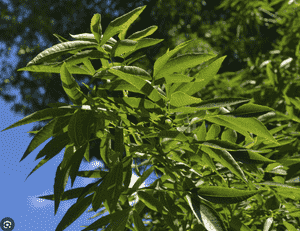
1
Bitternut hickory contributes both beauty and environmental benefits to your property.
2
Selecting an appropriate site for Bitternut hickory requires evaluating light exposure, water runoff, and ground composition.
3
Integrating Bitternut hickory with suitable neighboring plants can improve the garden's overall balance.
Why Select Bitternut Hickory for Your Outdoor Space?
Explores the visual appeal of Bitternut hickory
Opting for Bitternut hickory in your landscape can significantly boost its aesthetic charm. The leaves of Bitternut hickory are particularly striking throughout the year. In spring and summer, its rich green foliage adds a lively burst to any garden, while autumn brings a spectacular display of yellows, oranges, and reds. The tree's distinct texture and form also make it a prominent feature, offering a natural focal point that complements both modern and classic garden designs.
Overview of the environmental advantages of planting Bitternut hickory
Bitternut hickory provides numerous environmental benefits, making it a valuable addition to your landscape. It offers crucial habitat and sustenance for wildlife, such as birds and squirrels. The deep root structure of Bitternut hickory aids in soil stabilization, reducing erosion. Furthermore, it contributes to improving air quality by absorbing pollutants and releasing oxygen. Planting Bitternut hickory can foster a healthier and more sustainable environment.
Discusses the adaptability of Bitternut hickory in various landscape designs
A key attribute of Bitternut hickory is its adaptability in landscape design. Whether you're aiming for a rustic woodland theme or a refined urban garden, Bitternut hickory can integrate seamlessly into both. Its flexible nature allows it to flourish in diverse soil types and conditions. Additionally, Bitternut hickory can be utilized as a solitary specimen for a dramatic effect, or in group plantings to establish a natural boundary or screen. This versatility makes it a valuable asset for any landscape architect or garden enthusiast.
Choosing the Optimal Site for Bitternut Hickory
Key considerations: Sunlight, drainage, and available area
Selecting the ideal spot for planting Bitternut hickory is crucial for its development and survival. The tree thrives in full sun, so pick a location that receives at least 6-8 hours of direct sunlight daily. Proper drainage is equally vital; ensure the area doesn't have standing water, which can lead to root rot. Additionally, consider the mature size of Bitternut hickory when choosing its location. It requires ample room to grow, both above and below ground, to accommodate its extensive root system and wide canopy.
How to evaluate your soil for Bitternut hickory planting
Before planting Bitternut hickory, it's important to assess your soil to ensure it meets the tree's requirements. Begin by conducting a soil test to determine its pH level and nutrient content. Bitternut hickory prefers slightly acidic to neutral soil (pH 6.0-7.5). If necessary, amend the soil to achieve the desired pH and nutrient levels. Also, check the soil texture; well-drained, loamy soil is perfect for Bitternut hickory. If your soil is heavy clay or overly sandy, consider adding organic matter to enhance its structure and fertility.
Incorporating Bitternut Hickory with Other Flora
Companion plants that flourish alongside Bitternut hickory
Integrating Bitternut hickory with other plants can enhance the beauty and utility of your landscape. Suitable companion plants include species that thrive under similar conditions, such as sun-loving perennials and shrubs. Examples include coneflowers, black-eyed Susans, and azaleas, which can complement Bitternut hickory's foliage and create a vibrant understory. Additionally, ground covers like hostas and ferns can flourish in the dappled shade beneath Bitternut hickory, adding layers of interest and preventing weed growth.
Design recommendations for a cohesive arrangement
When incorporating Bitternut hickory into your landscape, consider the overall design to create a harmonious and visually pleasing arrangement. Use Bitternut hickory as a central anchor and plant smaller shrubs and perennials around it to establish balance. Ensure there is sufficient spacing between plants to allow for air circulation and growth. Layering plants based on their height, with taller plants towards the back, can create depth and perspective. Additionally, consider the seasonal appeal of plants to ensure your garden remains attractive throughout the year.
Long-Term Development and Adaptation of Bitternut Hickory
Understanding the growth pattern of Bitternut hickory
Bitternut hickory exhibits consistent growth throughout its lifespan, eventually reaching a considerable height and width. It typically grows about 1-2 feet per year, depending on environmental conditions. Initially, Bitternut hickory focuses on developing a strong root system, subsequently directing energy towards vertical and lateral growth. Understanding this pattern can assist in planning maintenance activities such as pruning and fertilizing. Regular observation during the early stages of growth will ensure that Bitternut hickory develops a healthy and stable form.
Adjustments to implement as Bitternut hickory matures
As Bitternut hickory matures, it may necessitate certain adjustments to ensure its ongoing health and integration into the landscape. Pruning becomes essential to remove dead or diseased branches and to maintain the desired shape. Due to its extensive root system, monitor surrounding plants to ensure they are not competing for nutrients and water. As Bitternut hickory provides more shade with age, consider replacing sun-loving companion plants with those that thrive in partial shade. Continuous assessment and adjustments will help Bitternut hickory and its companion plants coexist harmoniously.



