Enhancing Your Garden Design with the Safflower Plant: A Landscaping Guide
1
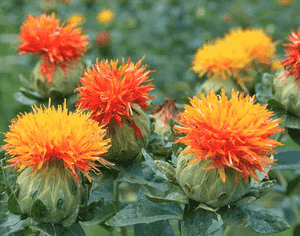
Safflower brings vivid hues and interesting texture to any garden space.
2
Optimal Safflower development requires well-draining earth and ample sunlight.
3
Combine Safflower with other plants that enhance its distinct appeal.
Introducing Safflower in Garden Aesthetics
Discovering the Visual Appeal of Safflower
The striking look of Safflower is immediately apparent. Its vivid petals and robust form make it a captivating addition to any outdoor space. Its bright colors, ranging from deep oranges to brilliant reds, can foster a warm and lively atmosphere. When you integrate Safflower into your garden scheme, you're not just planting a flower; you're adding a burst of color that can transform the appearance and feel of your exterior environment.
Safflower's Adaptability Across Various Garden Styles
Safflower is remarkably adaptable and fits seamlessly into diverse garden designs. Whether your garden is modern and minimalist or classic and cottage-like, Safflower can enhance its overall beauty. Its flexibility allows it to be used as a central feature, a border plant, or within mixed flower beds. This versatility makes Safflower an excellent choice for gardeners seeking to diversify their plant selections.
Advantages of Incorporating Safflower into Your Garden
Adding Safflower to your garden offers numerous benefits. Beyond its visual charm, Safflower is known to attract pollinators like bees and butterflies, which are vital for a thriving garden ecosystem. Furthermore, Safflower is drought-resistant once established, making it a sustainable option for those aiming to reduce water consumption. Its resilient nature also means it demands less upkeep compared to other ornamental plants, letting you enjoy its beauty with minimal effort.
Selecting the Ideal Spot for Safflower
Understanding Safflower's Light Requirements
Safflower flourishes in areas that receive ample sunlight. Aim to position it where it will get at least 6-8 hours of direct sun daily. While Safflower can endure partial shade, excessive shade can result in fewer blooms and weaker growth. By choosing a sunny location, you ensure Safflower can reach its full potential, displaying its vibrant colors and healthy foliage.
Soil Preparation Advice for Optimal Growth
For Safflower to thrive, proper soil preparation is crucial. Well-drained soil is essential, as Safflower does not perform well in waterlogged conditions. You can enhance soil drainage by incorporating organic matter such as compost or aged manure. Additionally, Safflower prefers slightly alkaline to neutral pH levels, so testing your soil and amending it if necessary can promote its health. Proper soil preparation sets the foundation for vigorous growth and abundant flowers.
Spacing Considerations for Garden Cohesion
Appropriate spacing is vital for achieving a harmonious garden with Safflower. Planting Safflower too closely can lead to overcrowding, which can restrict air circulation and increase disease risk. Aim to space each plant approximately 12-18 inches apart, depending on the variety. This spacing allows Safflower to grow freely, showcasing its full form while maintaining the overall beauty and health of your garden.
Pairing Safflower with Other Plants
Companion Plants That Enhance Safflower's Allure
To accentuate Safflower's distinct beauty, consider pairing it with complementary plants. Plants with contrasting colors, such as blue or purple flowers, can make Safflower's vibrant hues stand out more. Additionally, grasses or plants with delicate foliage can balance Safflower's sturdy and bold appearance, creating a well-rounded and visually pleasing garden. Thoughtful plant combinations can elevate your landscape design significantly.
Creating Visual Anchors Using Safflower
Establishing focal points in your garden can attract attention and guide the observer's gaze. Safflower, with its stunning blossoms, can serve as an excellent visual anchor. Plant it in areas you wish to highlight, such as the center of a flowerbed or along a path. You can also use Safflower in containers or raised beds to elevate its presence. By strategically placing Safflower, you can create visually compelling areas that stand out in your landscape design.
Seasonal Planning for Continuous Garden Interest
To maintain visual appeal throughout the year, consider the blooming periods of Safflower and other plants in your garden. Safflower typically blooms in summer, so pairing it with spring and fall-blooming plants can ensure your garden remains vibrant across seasons. Succession planting or incorporating evergreen plants can also help keep the garden attractive when Safflower is not in bloom. Careful seasonal planning keeps your landscape looking lively year-round.
Caring for Safflower in Your Landscape
Basic Maintenance Tips for Healthy Safflower
Maintaining healthy Safflower in your landscape involves a few simple practices. Regularly remove any spent or faded blooms to encourage new growth and prevent disease. Applying mulch around the base of the plants can help retain soil moisture and suppress weeds. Additionally, monitoring for pests and addressing any issues promptly ensures your Safflower remains healthy and vibrant.
Watering Strategies Adapted for Safflower
Safflower is relatively drought-tolerant but still requires adequate watering, especially during its initial growth phase. Water deeply but infrequently, allowing the soil to dry out between watering sessions. Over-watering can lead to root rot, so finding a balance is crucial. During particularly dry periods, ensure Safflower receives enough water to stay healthy and continue blooming.
Addressing Common Safflower Problems
Despite its robust nature, Safflower can encounter common gardening issues like pests and diseases. Aphids, mites, and fungal infections can impact its health. Regular inspections and early intervention with organic or chemical treatments can keep these problems in check. Providing proper care, such as avoiding waterlogged soil and ensuring good air circulation, can also help prevent most issues, keeping your Safflower thriving.



