Enhancing Your Garden Design with the Natal plum Plant: A Landscaping Guide
1
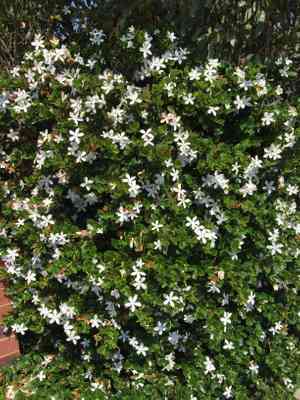
Carissa macrocarpa provides continuous aesthetic appeal through its persistent leaves and subtle blossoms.
2
This plant requires minimal upkeep, making it ideal for individuals with limited time for gardening.
3
The Natal plum is adaptable and can be integrated into diverse garden designs, from classic to contemporary.
Why Opt for Natal Plum in Your Landscape?
Hardy and attractive: Discover why Natal plum is a top choice for landscapers.
When picking plants for your outdoor space, the advantages of Natal plum are undeniable. Renowned for its resilience and appealing look, Natal plum is a favorite among garden designers. Its dense, spiky branches form an impenetrable barrier, making it ideal for hedges and privacy screens. The thick, dark green leaves offer a lush, evergreen backdrop that enhances any garden. This plant's natural resistance to pests and diseases also reduces the need for chemical treatments, promoting a healthier, more sustainable landscape.
Evergreen foliage and blooms: Explore the continuous beauty Natal plum provides.
Natal plum is valued not only for its toughness but also for its ability to maintain its beauty all year. Unlike many plants with seasonal leaves and flowers, Natal plum offers constant greenery adorned with charming star-shaped, white or pink blossoms. These flowers often appear intermittently, adding delicate touches against its evergreen leaves. Additionally, the plant produces small, red, plum-like fruits, which add another layer of visual appeal and can even attract local wildlife to your garden.
Effortless upkeep: Discuss the durability and minimal care needs of Natal plum.
One of Natal plum's key features is its low maintenance requirements. This plant is incredibly robust, tolerating various soil types and climates. Once established, Natal plum needs little watering, making it an excellent option for arid regions. Regular trimming can help maintain its shape and encourage denser growth, but even this task isn't particularly demanding. Its natural immunity to many common pests and diseases also means you can spend less time worrying about plant health and more time enjoying your beautifully designed garden.
Integrating Natal Plum into Various Landscape Styles
Classic gardens: How Natal plum complements formal garden layouts.
Natal plum fits perfectly into traditional garden designs due to its timeless, evergreen charm and dense growth habit. It can be shaped into neat hedges or topiaries, adding structure and formality to classic garden layouts. Whether lining a garden path or creating borders and backdrops, Natal plum enhances the organized, symmetrical aesthetic typical of traditional gardens. Its continuous, lush foliage provides an excellent contrast to blooming perennials and seasonal flowers, ensuring your garden looks vibrant throughout the year.
Contemporary landscapes: Utilizing Natal plum in modern settings.
In modern landscapes, where the emphasis is often on clean lines, minimalism, and unique textures, Natal plum can be a valuable addition. Its sturdy, thorny branches add architectural interest and can be used to create living walls or natural barriers. Natal plum pairs well with other contemporary garden elements such as metal sculptures, stone installations, and water features. Its evergreen leaves and intermittent flowering provide just the right touch of softness and color to balance the sleek, structured look commonly found in modern garden designs.
Planting and Spacing Guidelines for Natal Plum
Optimal spacing advice: Ensure robust growth and aesthetic appeal.
Correct spacing is vital for Natal plum to thrive and maintain its visual charm. When planting Natal plum, allow about 3-5 feet between each plant if you're aiming for a dense hedge or border. This spacing provides ample room for growth while ensuring the plants fill in to form a continuous, lush barrier. If planting as a stand-alone shrub, providing sufficient space will allow the plant to spread naturally, creating a fuller and more visually striking individual.
Choosing the ideal spot: Maximizing Natal plum's visual impact and health.
Selecting the right location for Natal plum in your garden is crucial for its health and visual impact. Natal plum prefers well-drained soil and can tolerate a range of pH levels, making it versatile in different garden settings. It thrives in full sun to partial shade, so consider planting it in an area where it will receive a good amount of sunlight. Positioning Natal plum strategically within your landscape can highlight its beauty, be it as a backdrop for flowering plants, a focal point in a mixed border, or a privacy screen along property lines.
Companion Plants for Natal Plum
Best partners: Selecting plants that flourish alongside Natal plum.
Choosing the right companion plants for Natal plum can enhance the overall aesthetics and health of your garden. Consider plants that thrive in similar soil and light conditions. Drought-resistant perennials, ornamental grasses, and other evergreen shrubs are excellent companions. For a splash of color, pair Natal plum with flowering plants like lavender, salvia, or rudbeckia. These plants not only complement Natal plum beautifully but also promote biodiversity in your garden.
Design concepts: Creative ways to combine Natal plum with other plants.
There are countless creative ways to pair Natal plum with other plants in your garden design. For a balanced look, mix Natal plum with plants of varying heights and textures. Use it as a backdrop for colorful annuals and perennials to make their colors pop. Create layered garden beds with taller plants in the back, medium-height plants like Natal plum in the middle, and ground cover or low-growing plants in the front. Incorporating a mix of evergreen and deciduous plants can also ensure continuous visual interest throughout the seasons.



