Enhancing Your Garden Design with the Seersucker sedge Plant: A Landscaping Guide
1
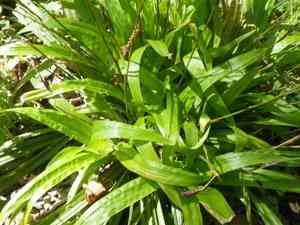
Seersucker sedge exhibits a distinct texture, enhancing the aesthetic appeal of any garden space.
2
Its adaptability allows for incorporation into diverse landscape designs, such as naturalistic and contemporary settings.
3
Appropriate seasonal maintenance, encompassing trimming and irrigation, guarantees Seersucker sedge flourishes throughout the year.
Appreciating the Visual Appeal of Seersucker Sedge
Distinctive texture and shape enhance visual interest
A primary characteristic of Seersucker sedge that makes it prominent in any garden setting is its unique, rich texture. The plant's leaves are broad and grooved, creating a singular, almost quilted look that instantly adds depth and appeal. This captivating form can serve as a striking focal point or as a complementary background that accentuates the textures and forms of other plants.
Seasonal color shifts boost garden aesthetics
Another attractive trait of Seersucker sedge is its seasonal transformation. In spring and summer, the foliage is a vibrant green, offering a fresh and flourishing appearance. As autumn approaches, the plant's leaves can develop a subtle, warm tint, which provides a beautiful contrast to the garden's other seasonal colors. These changes ensure your garden remains visually engaging throughout the year.
How its foliage complements other garden elements
The foliage of Seersucker sedge isn't just about its individual beauty; it also integrates well with other components in your garden. Whether paired with perennials, positioned beside a garden path, or used as groundcover around larger shrubs, the plant's bold leaves and subtle seasonal color changes can improve the overall aesthetic, bringing cohesion and balance to your landscape.
Incorporating Seersucker Sedge into Various Landscape Designs
Perfect for woodland garden environments: A natural fit
Seersucker sedge naturally integrates into woodland garden settings. Its preference for partial shade and moist conditions makes it an excellent choice for underplanting in forested areas. The plant's texture and form harmonize with the dappled light and shadows of woodland environments, providing a lush, green carpet that can soften path edges and offer a serene, natural aesthetic.
Enhancing modern landscapes with structured planting
In modern landscapes, where clean lines and structured forms prevail, Seersucker sedge can offer a contrasting yet complementary element. Its textured foliage adds a softer, organic touch to the rigid structure of modern garden designs. Utilizing Seersucker sedge in geometric planting schemes or as groundcover around minimalist features can create a balance between natural and structured elements, improving the overall design.
Using Seersucker sedge in informal and cottage-style gardens
Informal and cottage-style gardens also benefit from including Seersucker sedge. Its relaxed growth habit and lush texture blend seamlessly with the loose, free-form planting typical of these styles. The plant's ability to fill spaces and provide a green backdrop helps create the densely layered, colorful, and inviting atmosphere characteristic of cottage gardens.
Practical Advice for Planting and Maintaining Seersucker Sedge in Your Landscape
Selecting the optimal location for maximum growth
When planting Seersucker sedge, it's vital to choose a location that meets its growth requirements. Ideally, it should be placed in an area with partial to full shade, as too much sunlight can harm its delicate leaves. The soil should drain well but retain moisture to keep the roots healthy. Choosing the right spot in your garden will ensure Seersucker sedge thrives and enhances the landscape's beauty for years.
Balancing sun exposure and shade
Seersucker sedge flourishes in environments with dappled sunlight or full shade. Balancing sun and shade exposure is crucial to prevent leaf scorching and maintain its vibrant green color. Consider planting it beneath the canopy of taller trees or alongside structures that provide intermittent shade to create ideal light conditions.
Watering practices for peak health and appearance
Proper watering is essential for Seersucker sedge's health. The plant prefers consistently moist soil, so regular watering, especially during dry spells, is necessary. However, avoid overwatering as it can lead to root rot. Mulching around the plant's base can help retain soil moisture and reduce the need for frequent watering, ensuring Seersucker sedge stays healthy and looks its best.
Seasonal Considerations for Seersucker Sedge
Spring revitalization tips for Seersucker sedge
Spring is an excellent time for revitalizing Seersucker sedge to encourage new growth. Begin by clearing any debris or fallen leaves from around the base for a fresh start. Trim back any damaged or dead foliage to make way for new growth. Applying a balanced fertilizer can also give the plant a nutrient boost, helping it flourish as the growing season commences.
Preparing Seersucker sedge for the winter months
Preparing Seersucker sedge for winter ensures its health through colder months. In late autumn, mulch around the plant's base to protect roots from freezing temperatures. Reduce watering as the plant's growth slows, and if you live in an area with harsh winters, consider providing some form of frost protection for added security.
Benefits of seasonal pruning
Seasonal pruning of Seersucker sedge contributes to its overall health and appearance. Regularly trimming dead or damaged leaves not only keeps the plant tidy but also promotes new growth. Seasonal pruning helps manage the plant's size, preventing it from becoming leggy or overcrowded, resulting in a more robust and visually appealing specimen in your garden.



