Enhancing Your Garden Design with the Canna lily Plant: A Landscaping Guide
1
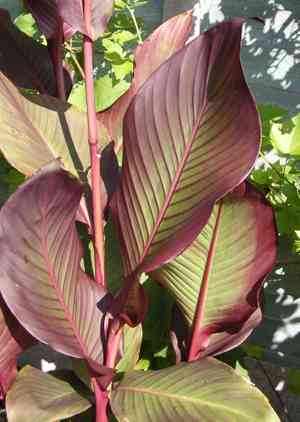
Canna lilies offer a spectacular range of hues, enhancing any garden's vibrancy.
2
Adequate spacing enables Canna lilies to develop robustly and produce striking visual displays.
3
Canna lilies require specific winter attention to flourish and reappear vividly in spring.
Canna Lily's Contribution to Garden Aesthetics
Striking Color Range: How Canna Lily's Hues Stand Out
A key allure of Canna lily is its vivid color spectrum. These plants produce blossoms in a wide array of tones, from fiery reds and bright oranges to gentle pinks and yellows. The bold shades of Canna lily can become the focal point of any garden, attracting attention and adding a burst of color that invigorates the landscape. Whether planted in groups or as individual specimens, Canna lily brings a lively energy that makes your garden appear vibrant and dynamic.
Adding Verticality and Structure with Canna Lily
Beyond just color, Canna lily introduces another dimension to your garden through its stature and form. Typically reaching heights of 4 to 6 feet, these plants offer an excellent vertical element for your garden design. Their tall, sturdy stems and abundant foliage create a sense of depth and fullness, ideal for layering your garden's visual appeal. Positioning Canna lily along borders or as a backdrop for shorter plants can effectively frame and enhance your garden's overall layout.
Seasonal Considerations: When Canna Lily is at Its Best
Canna lily generally reaches its peak from late spring through the autumn months. This seasonal bloom period means your garden can enjoy several months of brilliant color and lush growth. Planning your garden to accommodate Canna lily's seasonal display ensures there are always fresh, eye-catching features throughout the growing season. By strategically placing Canna lily in your garden, you can create a dynamic environment that changes with the seasons.
Integrating Canna Lily with Other Flora
Companion Planting Ideas for Canna Lily
Incorporating Canna lily with other plants can maximize your garden's visual impact. Consider pairing them with plants that offer contrasting colors and different bloom times. For instance, combining Canna lily with blue or purple flowers like Salvia or Agapanthus can create striking visual contrasts. Additionally, foliage plants with unique textures and colors, such as Hostas or ornamental grasses, can add another layer of interest when planted alongside Canna lily. This combination not only enhances the overall aesthetic but also ensures a more extended period of visual appeal in your garden.
Design Pointers: Grouping and Spacing Canna Lily
Appropriate grouping and spacing are crucial when integrating Canna lily into your garden design. Plant Canna lily in clusters of three or more for a more impactful visual display. Ensuring adequate space between plants allows them to grow healthily without competing for resources, and helps to showcase their natural beauty. Aim for a spacing of about 18 to 24 inches apart to allow for sufficient air circulation and growth. This thoughtful approach to planting helps prevent overcrowding and presents Canna lily in the best possible way.
Maintenance Guidelines for Canna Lily in Landscaping
Ideal Soil Conditions for Canna Lily
Canna lily thrives best in well-draining soil rich in organic matter. Before planting, it's beneficial to amend the soil with compost or well-rotted manure to enhance its nutrient content and drainage capabilities. This preparation provides an optimal growing environment that supports healthy root development and vigorous plant growth. Regularly checking the soil condition and making necessary adjustments can help ensure that Canna lily flourishes in your garden.
Watering Needs: Keeping Canna Lily Healthy
Watering is vital for Canna lily, especially during its active growth period. While these plants prefer consistently moist soil, it's important to avoid waterlogging, as this can lead to root rot. A recommended approach is to water deeply once or twice a week, depending on the weather and soil conditions. Mulching around the base of the plants can also help retain soil moisture and suppress weeds. Regularly monitoring soil moisture levels can help keep Canna lily healthy and thriving.
Managing Growth: Pruning and Controlling Canna Lily
Canna lily can sometimes become overgrown, making regular pruning essential to maintain its shape and encourage healthy new growth. Removing spent blooms can extend the flowering period and keep the plants looking neat. Additionally, cutting back the plants after the first frost helps prepare them for the winter months ahead. Properly managing the growth of Canna lily not only enhances its appearance but also promotes a healthier plant structure.
Seasonal and Long-term Care for Canna Lily
Winterizing Canna Lily: Essential Steps
Preparing Canna lily for winter involves a few key steps to ensure its survival and vitality for the next growing season. In colder climates, it's advisable to lift the rhizomes just after the first frost and store them in a cool, dry place until the spring. If you live in a milder climate, you can apply a thick layer of mulch to protect the plants from freezing temperatures. Carefully following these winter preparation steps helps ensure that Canna lily returns healthy and vibrant in the following spring.
Rejuvenating Canna Lily Each Spring
As spring arrives, it's time to revitalize Canna lily to encourage robust growth and flowering. Remove any mulch applied during the winter and replant the rhizomes if they were stored indoors. A fresh application of compost or a balanced fertilizer can provide the necessary nutrients to boost new growth. Early spring is also an ideal time to divide and propagate Canna lily, ensuring that your garden can continue to benefit from its stunning beauty year after year. Taking these steps in the spring helps set the stage for a thriving and visually captivating garden season.



