Enhancing Your Garden Design with the Trumpet creeper Plant: A Landscaping Guide
1
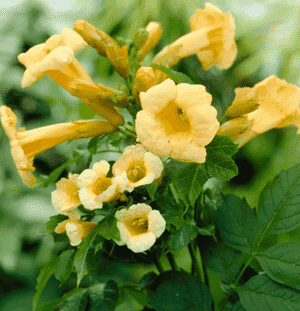
Trumpet creeper brings a lively burst of hue to any outdoor space through its eye-catching blooms.
2
Selecting an appropriate spot with adequate sun exposure is vital for Trumpet creeper's optimal growth.
3
Consistent upkeep, such as trimming and periodic attention, guarantees the sustained vitality of Trumpet creeper.
Introducing Trumpet Creeper to Your Landscape
The visual appeal of Trumpet creeper
Trumpet creeper is renowned for its captivating beauty, primarily due to its vibrant, trumpet-shaped blooms. These flowers often appear in a range of striking hues, most commonly orange and red, which can significantly elevate your garden's visual charm. The distinct form and vivid colors of the blossoms make Trumpet creeper a prominent addition, drawing attention and creating focal points in garden design.
Ecological advantages of incorporating Trumpet creeper into your garden
Beyond its aesthetic charm, Trumpet creeper offers various ecological benefits. For instance, it attracts pollinators like bees, butterflies, and even hummingbirds, fostering a healthy ecosystem in your garden. Furthermore, Trumpet creeper can serve as a natural privacy barrier or windbreak due to its dense foliage. Its root system aids in soil stabilization, reducing erosion on sloped areas of your property.
Typical applications in landscape designs
Trumpet creeper is adaptable in landscape design and can be utilized in numerous ways. It can ascend trellises, walls, and fences, making it perfect for vertical gardening. Additionally, Trumpet creeper can be planted to conceal unattractive structures or to establish natural-looking garden borders. Its rapid growth and expansive nature also allow it to quickly fill large areas, providing ample shade and greenery.
Selecting the Optimal Site for Trumpet Creeper
Considerations before planting Trumpet creeper
When deciding where to plant Trumpet creeper, consider factors such as available space, proximity to other plants, and its climbing habit. It requires ample room to spread, so avoid planting too close to other plants it might overshadow. Additionally, be mindful of structures or power lines that the plant may climb and potentially damage over time.
Ideal soil conditions for Trumpet creeper
Trumpet creeper flourishes best in well-draining soil rich in organic matter. Although it can tolerate various soil types, ensuring the soil is neither too sandy nor too clayey will enhance its growth. Amending the planting area with compost or well-rotted manure before installation can provide the necessary nutrients for optimal development.
Sunlight requirements for peak growth
Trumpet creeper needs full sun to partial shade to thrive. Ideally, it should receive at least six hours of direct sunlight daily. While it can endure some shade, insufficient light can lead to reduced flowering and weaker growth. Therefore, choosing a sunny location will ensure abundant blooms and healthy foliage.
Integrating Trumpet Creeper into Diverse Garden Styles
How Trumpet creeper complements formal gardens
In formal gardens, Trumpet creeper can be used to add color and structure without disrupting symmetry. Training Trumpet creeper on garden walls or trellises can create a controlled, elegant look where the plant's exuberant flowers act as focal points. Pair it with neatly trimmed hedges and geometric pathways to harmonize its lush growth with the garden's formal aesthetic.
Utilizing Trumpet creeper in cottage-style landscapes
Trumpet creeper is particularly well-suited for cottage gardens, where its slightly wild and freeform growth matches the informal, quaint charm of the style. Planting Trumpet creeper near rustic fences or arbors allows it to weave naturally through the structure, integrating seamlessly with an array of perennials and herbs that typically adorn cottage gardens, creating a picturesque and enchanting landscape.
Innovative concepts for Trumpet creeper in modern landscapes
In modern landscapes, Trumpet creeper can be used creatively to introduce a touch of nature amidst minimalist design elements. Use it to cover modern, industrial materials like metal or concrete with a burst of color and life. Alternatively, Trumpet creeper can be trained over pergolas or modern garden sculptures, offering a striking contrast between its organic form and the sleek, clean lines of contemporary garden architecture.
Care Guidelines for Trumpet Creeper in Your Landscape
Pruning and managing its spread
Regular pruning is crucial to manage Trumpet creeper's growth and keep it within desired limits. Prune in late winter or early spring before new growth begins, removing any dead or weak stems. This practice encourages robust flowering and prevents the plant from becoming overly aggressive. Additionally, periodic trimming throughout the growing season can maintain its shape and appearance.
Seasonal care recommendations
Seasonal care for Trumpet creeper involves specific tasks at different times of the year. In spring, apply a balanced fertilizer to support new growth. During the summer, ensure adequate watering, especially during dry spells. In the fall, clean up any fallen leaves or debris around the plant's base to prevent pests and diseases. A layer of mulch can protect the roots through the winter months.
Sustaining Trumpet creeper's long-term health and vitality
To ensure the long-term health of Trumpet creeper, it's important to monitor for common pests and diseases, such as aphids or fungal infections. Regular inspections and appropriate treatments can mitigate these issues. Additionally, providing a sturdy support structure and ensuring the soil remains fertile through periodic amendments will keep Trumpet creeper vibrant and thriving for years to come.



