Enhancing Your Garden Design with the Canterbury bells Plant: A Landscaping Guide
1
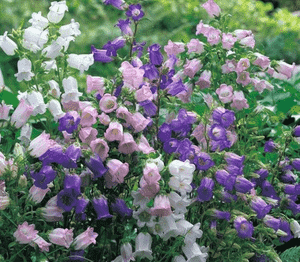
Canterbury bells add a distinct visual appeal to contemporary gardens through their impressive flowers.
2
Selecting an appropriate location for Canterbury bells requires evaluating elements such as light exposure, soil composition, and color harmony.
3
Canterbury bells are easily incorporated alongside companion plants to achieve a unified garden layout.
Introducing Canterbury Bells in Garden Design
Defining the visual appeal of Canterbury bells in contemporary gardens.
Canterbury bells are renowned for their captivating bell-shaped blossoms, available in diverse hues. This plant imparts a classic charm and sophistication to any garden space. Its towering stalks make it an excellent option for introducing vertical interest into a landscape. Whether aiming for a cottage garden ambiance or a touch of whimsy, Canterbury bells can deliver that distinctive aesthetic edge.
Overview of Canterbury bells's adaptability in landscape layouts.
A significant benefit of Canterbury bells is its adaptability. It can be incorporated into various landscape designs, from traditional to modern. This plant thrives in different environments, making it a flexible choice for gardeners. Whether utilized as a central feature, an edging plant, or integrated into mixed flower beds, Canterbury bells stands out. Its capacity to harmonize with other garden elements while retaining its unique allure makes it an invaluable component of versatile garden schemes.
Selecting the Ideal Location for Canterbury Bells
Key factors: sun exposure, soil composition, and neighboring flora.
Choosing the appropriate site for Canterbury bells requires several considerations. Firstly, ensure it receives sufficient sunlight, ideally partial to full sun. This plant prefers well-draining, fertile soil to thrive. Additionally, evaluate nearby plants: Canterbury bells pairs well with species that don't overshadow it but rather complement its growth and visual appeal. Avoiding overcrowding is crucial to ensure each plant has ample room to breathe and flourish.
Guidance for visual harmony and color coordination with Canterbury bells.
To achieve visual balance, position Canterbury bells where it can stand out yet blend with other garden features. Consider the plant's colors when coordinating with existing flora. For instance, pairing it with hues that either contrast or complement its blossoms can enhance the overall garden palette. Planting Canterbury bells in clusters can also create a striking visual impact. Combining it with foliage or plants with softer tones provides a dynamic contrast that can make your garden visually engaging.
Integrating Canterbury Bells with Other Garden Elements
Companion plants that highlight the beauty of Canterbury bells.
Canterbury bells appears stunning when combined with companion plants such as lavender, delphinium, or even simple greenery like ferns. These plants not only enhance Canterbury bells's beauty but also create a well-rounded and unified appearance. Consider the color, height, and bloom time of your companion plants to ensure a continuous display of beauty throughout the growing period. The objective is to foster harmony and balance while ensuring each plant excels in its own right.
Design concepts: utilizing Canterbury bells as borders or focal points.
Canterbury bells can fulfill multiple roles in garden design. It makes a striking focal point due to its height and vibrant flowers, attracting attention and creating an eye-catching display. Alternatively, Canterbury bells can be employed as a border plant along pathways or garden edges. This helps to define areas and add structure to your garden layout. Combining these approaches can ensure that Canterbury bells enhances various sections of your garden, making it more captivating and visually compelling.
Seasonal Considerations for Canterbury Bells
Optimal planting times for Canterbury bells to ensure robust growth.
For best outcomes, plant Canterbury bells in early spring or late autumn. These periods are ideal because the soil is neither too hot nor too cold, providing optimal conditions for root establishment. It's important to allow the plant sufficient time to establish itself before the extreme temperatures of summer or winter arrive. This timing enables Canterbury bells to develop a strong foundation, ensuring a vigorous and healthy growth cycle.
Methods to maintain the vibrant appearance of Canterbury bells throughout the year.
Maintaining the vibrant appearance of Canterbury bells requires consistent care and attention. Watering should be regular but not excessive, ensuring the soil remains moist but well-drained. Mulching can help retain moisture and suppress weeds. Removing spent blooms encourages new growth and extends the flowering period. In colder climates, consider protecting the plant with a layer of mulch or a garden fabric to shield it from frost. These practices ensure that Canterbury bells remains a beautiful and lasting feature of your garden across seasons.



