Enhancing Your Garden Design with the Tussock bellflower Plant: A Landscaping Guide
1
Tussock bellflower flourishes optimally in soil that drains effectively and in areas with partial sunlight.
2
Combining Tussock bellflower with flora sharing comparable hydration and illumination needs creates a harmonious garden.
3
Consistent trimming of Tussock bellflower promotes a greater profusion of blooms.
Introducing Tussock Bellflower in Garden Design
Tussock Bellflower's Visual Appeal Overview
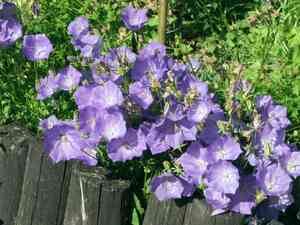
A striking feature of incorporating Tussock bellflower into your garden is its aesthetic charm. The delicate, bell-shaped blossoms of Tussock bellflower lend grace and allure to any landscape. Available in blue, purple, and white hues, these flowers create a captivating visual display, serving as either a prominent focal point or a subtle background element. The plant's vibrant green foliage offers a perfect contrast, making the blooms stand out even more. Whether designing a cottage garden or a modern landscape, Tussock bellflower integrates seamlessly, enhancing beauty and interest throughout its flowering period.
Tussock Bellflower's Growth Habits for Gardens
Understanding Tussock bellflower's growth patterns aids in strategically placing this perennial to enhance your garden. Tussock bellflower typically forms low-lying mounds, reaching heights of about 8-12 inches, making it perfect for borders, rock gardens, and ground cover. This growth habit makes it excellent for filling spaces between taller plants or alongside garden paths. It spreads gradually, ensuring it doesn't overtake nearby plants, and its rounded form adds a soft, natural look to garden beds. These characteristics make Tussock bellflower a versatile plant well-suited for various garden designs.
Seasonal Benefits of Adding Tussock Bellflower
A key advantage of integrating Tussock bellflower into your garden is its seasonal performance. Tussock bellflower typically blooms from late spring to early summer, offering an early burst of color and vitality to your garden. This early flowering period is ideal for bridging the gap between spring blooms and summer perennials, ensuring continuous color throughout the growing season. Furthermore, Tussock bellflower's foliage remains attractive even after the flowers fade, maintaining garden interest beyond its blooming phase. Choosing Tussock bellflower guarantees your garden will feature a dynamic and vibrant display early in the growing season.
Selecting the Ideal Spot for Tussock Bellflower
Understanding Light and Shade Needs
To ensure Tussock bellflower thrives in your garden, it's crucial to plant it in a location that meets its light requirements. Tussock bellflower prefers partial shade to full sun, ideally receiving morning sunlight and afternoon shade. This balance helps protect the delicate flowers from intense midday sun, which can sometimes be too harsh. If your garden lacks natural shade, consider planting Tussock bellflower near larger plants or trees that can provide some protection during the hottest part of the day. This approach helps create a suitable micro-environment that promotes healthy growth and abundant flowering.
Preferred Soil Types for Optimal Growth
Soil quality is vital for the successful cultivation of Tussock bellflower. This plant flourishes best in well-draining soil rich in organic matter. Sandy loam or loamy soils are ideal as they provide excellent drainage while retaining sufficient moisture for the roots. It's also beneficial to amend your soil with compost or well-rotted manure before planting to enhance soil fertility and structure. Avoid heavy clay soils or waterlogged areas, as they can lead to root rot and other diseases. Ensuring the correct soil conditions will help Tussock bellflower establish strong roots and thrive in your garden.
Spacing and Placement Advice for Landscape Design
Proper spacing is crucial when planting Tussock bellflower to ensure each plant has ample room to grow without overcrowding. Typically, Tussock bellflower should be spaced about 12 inches apart to allow for adequate air circulation and prevent fungal diseases. Additionally, consider the mature size of Tussock bellflower when planning its planting position. It works well along garden edges, in rock gardens, or as a filler between taller plants. Thoughtful positioning will not only enhance Tussock bellflower's visual impact but also promote healthier growth and easier maintenance.
Pairing Tussock Bellflower with Other Plants
Companion Plant Choices for Tussock Bellflower
Selecting complementary plants for Tussock bellflower can result in a harmonious and visually appealing garden design. Plants that share similar growing conditions, such as hostas, ferns, or hardy geraniums, pair well with Tussock bellflower. These companion plants not only enhance visual appeal but also support a balanced ecosystem in your garden. For instance, the bold foliage of hostas offers an appealing contrast to Tussock bellflower's delicate flowers, while ferns add texture and depth. By carefully choosing plants that complement Tussock bellflower, you can create a cohesive and attractive garden display.
Design Concepts for Mixed Plant Beds
Integrating Tussock bellflower into mixed plant beds can lead to a dynamic and layered garden design. Consider planting Tussock bellflower in front of taller perennials or shrubs to create a tiered effect that adds depth and dimension to your landscape. You can also use Tussock bellflower to soften the edges of garden paths or patios, adding a touch of elegance to hard landscaping features. Mixing Tussock bellflower with annuals can provide continuous color, as annuals will fill in spaces when Tussock bellflower is not in bloom. This approach ensures a vibrant and ever-changing garden throughout the seasons.
Avoiding Common Planting Errors
When incorporating Tussock bellflower into your landscape, it's important to avoid common planting mistakes to ensure its success. A frequent error is planting Tussock bellflower in areas with poor drainage, which can lead to root rot. It's also crucial not to overcrowd Tussock bellflower, as insufficient air circulation can result in fungal diseases. Finally, ensure Tussock bellflower receives the appropriate amount of sunlight and is not exposed to harsh midday sun. By avoiding these pitfalls, you can create a thriving and beautiful garden space with Tussock bellflower as a standout feature.
Care Guidelines for a Flourishing Tussock Bellflower Display
Watering Practices for Ongoing Health
Proper watering is crucial for maintaining healthy Tussock bellflower plants. These perennials prefer consistently moist soil but do not tolerate waterlogging. Aim to water Tussock bellflower deeply once a week, providing enough water to reach the root zone. During hot, dry periods, you may need to increase the frequency to ensure the soil remains evenly moist. Mulching around the base of Tussock bellflower can help retain soil moisture and reduce watering frequency. By following these watering practices, you can ensure your Tussock bellflower stays healthy and vibrant throughout the growing season.
Pruning and Seasonal Care
Regular pruning of Tussock bellflower encourages more abundant flowering and maintains the plant's shape. Deadheading spent blooms will prompt the plant to produce new flowers and extend its blooming period. In early spring, cut back any dead or damaged foliage to promote new growth. Throughout the growing season, remove any yellowing or diseased leaves to keep the plant healthy. Additionally, a light trim after the first flush of flowers can encourage a second, albeit less abundant, bloom in late summer. Consistent care and pruning will keep your Tussock bellflower display looking its best.
Seasonal Maintenance Routines
Seasonal maintenance routines are important for the long-term health of Tussock bellflower. In early spring, check soil conditions and add compost or fertilizer if necessary to support new growth. As the weather warms, monitor for pests and diseases, and address any issues promptly to prevent damage. In late fall, after the first frost, cut back the foliage to ground level and apply a layer of mulch to protect the roots during winter. This seasonal care routine ensures that Tussock bellflower will return each year, providing consistent beauty to your garden.



