Enhancing Your Garden Design with the Japanese camellia Plant: A Landscaping Guide
1
Japanese camellia provides continuous appeal throughout the year through its impressive flowers and persistent greenery.
2
The Japanese camellia fits well into diverse garden aesthetics, ranging from classic layouts to contemporary schemes.
3
Optimal positioning and care are crucial for the Japanese camellia to flourish and elevate the beauty of your outdoor space.
Appreciating the Aesthetic Appeal of Japanese Camellia
Features of Japanese Camellia's Flowers and Foliage
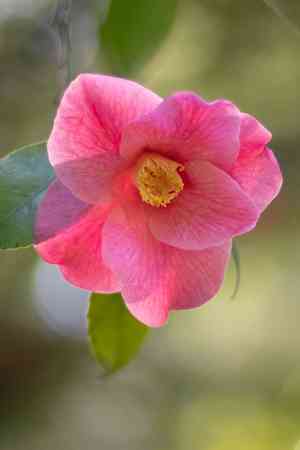
One of the most striking aspects of Japanese camellia is its sizable, vivid blossoms, which beautifully contrast with its shiny, deep-green leaves. The flowers, often reaching five inches across, come in numerous hues, including white, pink, red, and even variegated patterns. This extensive color palette allows Japanese camellia to complement diverse garden designs. Furthermore, the plant's evergreen leaves provide year-round structure and act as a lush backdrop for seasonal flowers, keeping your garden attractive even during dormant periods.
Yearly Transformations of Japanese Camellia and Their Garden Impact
Japanese camellia undergoes subtle yet visually pleasing changes throughout the year. In spring and early summer, the plant is in full bloom, creating a spectacular display that can be the focal point of any garden. By autumn, though the flowers fade, the robust foliage retains its rich color, offering ongoing visual interest. This seasonal evolution ensures that Japanese camellia remains a dynamic component of your garden across different seasons, contributing to an ever-changing landscape.
Color Variations and Their Harmony with Diverse Landscapes
The color variations of Japanese camellia blooms can be strategically employed to enhance various garden styles. For example, white and pale pink flowers can impart a classic touch to formal gardens, while vibrant reds and deep pinks can establish striking focal points in contemporary or eclectic settings. By understanding and utilizing Japanese camellia's full color spectrum, you can cultivate a cohesive garden that feels both deliberate and harmonious, seamlessly integrating with existing elements while introducing bursts of color where desired.
Integrating Japanese Camellia into Different Garden Designs
Pairing Japanese Camellia with Formal Garden Layouts
Japanese camellia is well-suited for formal gardens, where precision and symmetrical layouts are key. Arranging Japanese camellia in a balanced pattern along pathways or borders can instill a sense of order and sophistication. Its structured foliage and consistent flowering can be pruned and shaped to maintain the crisp lines characteristic of formal landscapes. When combined with traditional elements like boxwoods or stone urns, Japanese camellia elevates the enduring beauty and elegance of these classic garden designs.
Using Japanese Camellia in Informal and Cottage-Style Gardens
For a more relaxed and naturalistic garden setting, Japanese camellia integrates perfectly into informal and cottage-style gardens. Here, the objective is to cultivate a charming, almost whimsical atmosphere. Plant Japanese camellia among other flowering shrubs, perennials, and groundcovers to achieve a layered, organic appearance. Its abundant blooms can cascade over fences or garden edges, adding a burst of color and texture that enhances the casual, inviting feel of such landscapes. The plant's effortless beauty pairs well with the relaxed elegance of a cottage garden.
Innovative Ideas for Incorporating Japanese Camellia into Modern Landscapes
Modern landscapes often highlight clean lines, simplicity, and a fusion of natural and man-made elements. In these gardens, Japanese camellia can function as a prominent focal point or as part of a minimalist plant scheme. Consider planting Japanese camellia in sleek, contemporary containers or using it as a backdrop against a modern structure such as a pergola or water feature. The interplay between Japanese camellia's lush, vivid flowers and the strong, geometric forms of modern design can create a compelling and visually captivating effect.
Optimal Positioning for Japanese Camellia's Impact
Best Planting Locations for Japanese Camellia's Visibility and Vigor
To fully appreciate Japanese camellia's beauty, it's essential to plant it where it will flourish and be highly noticeable. Ideal spots include areas with partial shade and well-drained, slightly acidic soil. Avoid positioning Japanese camellia in full sun or deep shade, as these conditions can stress the plant and hinder its development. Placing Japanese camellia along walkways, near entrances, or within view of windows can maximize its visibility and enhance your enjoyment of its stunning flowers and foliage.
How to Use Japanese Camellia as Focal Points or Accent Plants
Japanese camellia possesses the versatility to function as both a central focal point and a complementary accent plant in your landscape design. As a focal point, Japanese camellia can anchor a garden bed or stand alone as a specimen in an open area. Its large, vibrant blooms naturally draw the eye and can create a prominent feature in your garden. Alternatively, when used as an accent plant, Japanese camellia can add depth and color to mixed borders or serve as an attractive companion to other shrubs and perennials.
Advice on Grouping Japanese Camellia with Other Plants for Cohesion
To achieve a cohesive and aesthetically pleasing garden, consider pairing Japanese camellia with plants that offer complementary colors and textures. For instance, combining Japanese camellia with ferns, hostas, or azaleas can create a lush, multi-layered effect. Pay attention to the bloom times and growth habits of companion plants to ensure continuous interest throughout the year. Additionally, varying the heights and forms of surrounding plants can add dimension and prevent a monotonous look, allowing Japanese camellia to shine as part of a well-orchestrated garden ensemble.
Landscape Maintenance Tips for Japanese Camellia
General Care for Japanese Camellia to Thrive Outdoors
To help Japanese camellia flourish, consistent watering, especially during dry periods, is crucial. Keep the soil uniformly moist, but prevent waterlogging, which can cause root rot. Applying mulch around the base can help retain moisture and regulate soil temperature. Fertilize Japanese camellia with a balanced, slow-release fertilizer in early spring and again in mid-summer to promote robust growth and abundant flowering. Pruning should occur immediately after the blooming season to shape the plant and remove any dead or diseased wood.
Seasonal Maintenance Schedules for Japanese Camellia
Each season brings specific care requirements for Japanese camellia. In spring, focus on fertilization and monitoring for pests. Summer demands regular watering and mulching to preserve soil moisture. In the fall, prepare for colder weather by applying a final layer of mulch and trimming to maintain its form. Winter care primarily involves shielding Japanese camellia from harsh conditions by ensuring it is protected from strong winds and excessive frost. Adhering to these seasonal routines can keep Japanese camellia healthy and vigorous throughout the year.
Addressing Common Landscape Challenges with Japanese Camellia
Like all plants, Japanese camellia may encounter certain issues such as pest infestations, fungal diseases, or nutritional deficiencies. Regularly inspect the plant for signs of problems and address them promptly. Use insecticidal soap or horticultural oil for pests, and fungicidal sprays for fungal problems. Ensuring proper soil conditions and adequate spacing can avert many common issues. Furthermore, consider consulting local gardening specialists for specific advice tailored to your region and garden conditions.



