Enhancing Your Garden Design with the Incense cedar Plant: A Landscaping Guide
1
Incense cedar adapts well to diverse weather conditions, making it a flexible choice for numerous landscapes.
2
Strategic positioning of Incense cedar enhances its beauty throughout the year's cycles.
3
Pairing Incense cedar with other plants can produce striking visual differences and balanced garden layouts.
Introducing Incense Cedar to Your Landscape
Why select Incense cedar for your garden?
Opting for Incense cedar in your garden offers numerous advantages. Its robust nature allows it to flourish in diverse climates and soil types, making it a low-maintenance choice for homeowners. Furthermore, Incense cedar provides year-round green foliage, enhancing your landscape's overall beauty even in winter when other plants may shed their leaves. Its tall, graceful form can also serve as a natural screen, offering privacy and a natural windbreak.
The visual charm of Incense cedar
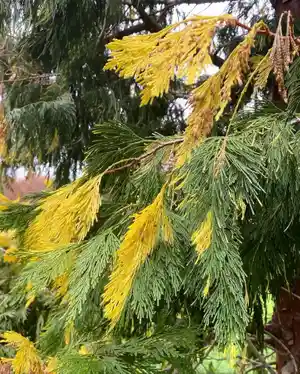
The visual charm of Incense cedar is undeniable. Its rich, evergreen leaves bring a sense of permanence and stability to any garden design. The tree's distinct, incense-like scent can create a calming atmosphere in your outdoor area. Additionally, Incense cedar possesses a columnar shape, making it an excellent focal point or a backdrop for other plants, boosting your landscape's overall visual appeal.
Optimal Placement of Incense Cedar in Your Garden
Strategic spots for planting Incense cedar
Strategic placement of Incense cedar in your garden is crucial for maximizing its benefits. Consider planting it along property boundaries to establish a natural border. Its upright growth habit makes it ideal for confined spaces where you wish to add height without occupying excessive ground area. Moreover, Incense cedar can be utilized to frame pathways or entrances, adding a majestic touch to your landscape design.
Maximizing seasonal changes with Incense cedar
One of the unique advantages of Incense cedar is its capacity to enhance the beauty of seasonal transitions. In spring and summer, its deep green foliage offers a rich contrast to blooming plants. In autumn, its evergreen quality ensures your garden remains vibrant, even as other plants begin to fade. During winter, Incense cedar stands as a pillar of greenery amidst a potentially barren landscape, providing year-round visual interest.
Companion Plants for Incense Cedar
Best companion plants for Incense cedar
Choosing suitable companion plants for Incense cedar can significantly amplify its impact. Consider pairing it with flowering shrubs like azaleas or rhododendrons to introduce bursts of color against its green backdrop. Ornamental grasses can also complement its vertical form, creating a textural contrast. Furthermore, ground covers such as hostas can add a lush, green carpet beneath Incense cedar, forming a cohesive and layered garden design.
Combining hues and textures
Combining various colors and textures with Incense cedar can create a dynamic and visually appealing garden. Use plants with bold, vibrant flowers to contrast with the deep green of Incense cedar. Incorporate plants with variegated foliage to add interest and break monotony. Textural contrasts can be achieved by pairing Incense cedar's fine, needle-like leaves with broader, more substantial foliage of plants like hydrangeas or ferns, creating a balanced and harmonious landscape.
Maintaining the Beauty of Incense Cedar
Seasonal maintenance advice
Maintaining the beauty of Incense cedar involves certain seasonal tasks. During the active growth period, occasional watering and mulching will help retain soil moisture and keep roots cool. In the fall, remove any fallen needles to keep the area tidy and prevent disease. Pruning should occur in late winter or early spring to shape the tree and remove any dead or diseased branches, promoting healthy growth throughout the year.
Long-term health of Incense cedar
Ensuring the long-term health of Incense cedar requires regular monitoring for pests and diseases. Common issues include aphids and fungal infections, which can be managed with appropriate treatments. Fertilizing Incense cedar once a year in the spring can also boost its growth and resilience. Ensuring good air circulation around the tree by avoiding overcrowding with other plants will help prevent moisture-related diseases, ensuring Incense cedar remains a healthy and vibrant part of your landscape for years to come.
Incense Cedar's Impact on Property Value
Boosting curb appeal
Incense cedar can significantly enhance your property's curb appeal. Its tall, majestic appearance and evergreen foliage make it an attractive feature visible from the street. A well-placed Incense cedar can draw admiring glances from passersby and potential buyers, making your property stand out in the neighborhood. Landscaping with Incense cedar not only beautifies your home but can also create a welcoming and impressive first impression.
ROI of landscaping with Incense cedar
Investing in landscaping with Incense cedar can yield a good return on investment (ROI). A well-maintained and thoughtfully designed landscape can increase property values by up to 15%, according to real estate experts. Incense cedar's hardy nature means it will remain a stunning feature with minimal upkeep, ensuring your investment continues to pay off over time. Moreover, the enhanced aesthetic appeal and potential privacy benefits make Incense cedar a valuable addition to any landscape design, contributing to a higher overall property value.



