Enhancing Your Garden Design with the Scotch heather Plant: A Landscaping Guide
1
Scotch heather flourishes in acidic, well-draining soil and ample sunlight.
2
The changing hues of Scotch heather throughout the year can enhance your garden's appeal.
3
Using Scotch heather in city environments aids in preventing soil loss and boosts visual appeal.
Introducing Scotch Heather to Your Garden Landscape
Understanding the Growth Habit and Size of Scotch Heather
The initial step in integrating Scotch heather into your garden involves comprehending its growth pattern and dimensions. Scotch heather is a low-growing, evergreen shrub, typically reaching heights of 20 to 50 centimeters. It exhibits a dense, mounding form, making it perfect for ground cover. Its small, needle-like leaves offer a textured appearance, adding depth and detail to the garden. Its compact nature suits it for borders, rock gardens, and even container cultivation. Grasping its growth characteristics aids in planning its placement to complement other plants and the overall landscape design.
Seasonal Color Changes and Benefits of Scotch Heather
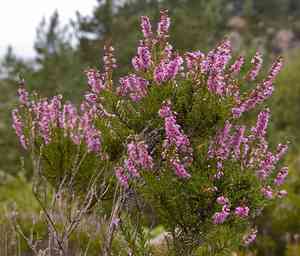
Scotch heather is celebrated for its seasonal color transformations, which bring dynamic visual appeal to any garden. In summer, the plant bursts with tiny, bell-shaped flowers in shades of pink, purple, and white. As seasons progress, the foliage adopts bronze and red hues, especially in colder climates. These shifts provide year-round charm, ensuring your garden remains vibrant through various seasons. Beyond aesthetic advantages, Scotch heather also attracts pollinators like bees and butterflies, boosting your garden's ecological health.
Ideal Climate and Light Conditions for Scotch Heather
For Scotch heather to flourish, it requires specific climate and light conditions. This resilient plant thrives in climates with mild summers and cold winters, performing best in USDA zones 4 to 6. Full sunlight is vital for optimal growth, though Scotch heather can endure partial shade. Ensure it receives at least six hours of direct sunlight daily for the best flowering. The ideal soil for Scotch heather is well-drained and acidic, with a pH level between 4.5 and 6.0. Planting in these conditions will guarantee vigorous growth and vivid blooms.
Designing Landscaping Themes with Scotch Heather
Incorporating Scotch Heather into Cottage Gardens
Integrating Scotch heather into cottage gardens is a classic choice that enhances the charm and allure of this garden style. Cottage gardens are known for their informal, romantic aesthetics and a blend of fragrant, colorful flowers. Scotch heather fits perfectly with its delicate blooms and mounded growth habit. Plant Scotch heather along pathways or use it as a filler among taller perennials to create a lush, layered look. Its evergreen foliage provides structure and continuity, unifying the diverse elements typical of cottage gardens.
Using Scotch Heather for Ground Cover and Edges
Scotch heather serves as an excellent ground cover and is ideal for edging pathways and garden beds. Its low-growing, spreading nature helps suppress weeds and reduce soil erosion, keeping your garden neat. Planting Scotch heather as a border along walkways adds a soft, natural edge, creating a seamless transition from garden to path. Additionally, its dense foliage can fill gaps in rock gardens or slopes, providing a cohesive, well-maintained appearance while preserving natural beauty.
Creating Color Contrast with Scotch Heather and Companion Plants
Creating color contrast in your garden with Scotch heather and companion plants can significantly boost visual interest. Scotch heather's vibrant flowers and rich foliage can be complemented by plants with contrasting textures and colors. For instance, pairing Scotch heather with silver-leaved plants like lavender or Artemisia can produce stunning visual effects. Tall grasses and perennials such as Echinacea or Rudbeckia also make excellent companions, offering height contrast and additional layers of color and texture. This strategic pairing helps create focal points and dynamic compositions in your garden.
Maintenance Tips for Scotch Heather in Landscaping
Trimming and Pruning: Timing and Techniques
Proper trimming and pruning are crucial for maintaining Scotch heather's health and appearance. The optimal time to prune Scotch heather is immediately after flowering, typically in late summer. Using sharp pruning shears, cut back spent flowers and a portion of the foliage to encourage new growth and prevent legginess. Avoid cutting into old wood, as this can impede regrowth. Regular pruning helps maintain a compact shape and promotes denser foliage, ensuring your Scotch heather remains attractive and healthy year after year.
Optimal Watering Practices for Scotch Heather
Scotch heather is relatively low-maintenance regarding watering but requires consistent moisture during its establishment phase. Water newly planted Scotch heather regularly, allowing the soil to dry slightly between waterings. Once established, it becomes more drought-tolerant but will still benefit from occasional deep watering, especially during extended dry periods. Avoid overhead watering, as this can lead to fungal diseases. Instead, use a drip irrigation system or water at the base of the plant to keep the foliage dry.
Soil Types and Nutrition Needs for Scotch Heather
Scotch heather prefers well-drained, acidic soils and may struggle in heavy clay or alkaline conditions. To ensure optimal growth, amend your garden soil with organic matter such as compost or peat moss, which improves drainage and acidity. Additionally, applying a balanced, slow-release fertilizer in the spring can provide essential nutrients for healthy growth and abundant blooms. Be careful not to over-fertilize, as this can result in excessive foliage growth at the expense of flowering.
Leveraging Scotch Heather for Year-Round Interest
Winter Appeal of Scotch Heather: Strategies to Protect
Even in winter, Scotch heather can add interest to your garden if properly safeguarded. To protect your plants, mulch around the base in late fall to insulate the roots against freezing temperatures. Consider using burlap or horticultural fleece to cover the plants if you reside in an area with harsh winters. This additional layer of protection helps prevent damage from frost and snow. With these strategies, Scotch heather can continue to provide visual appeal with its evergreen foliage throughout the winter months.
Highlighting Scotch Heather in Autumn and Winter
Highlighting Scotch heather in autumn and winter capitalizes on its changing foliage colors and structural form. As the weather cools, Scotch heather's foliage often transforms into striking shades of bronze or red, creating a warm, inviting atmosphere in the garden. Group plantings of Scotch heather can form colorful drifts that stand out against the season's more muted hues. Using evergreen companion plants can further enhance the winter landscape, offering contrast and maintaining a vibrant garden even in colder months.
Spring Blossoms and Summer Vibrance of Scotch Heather
In spring, Scotch heather brightens the garden with its delightful blooms. These small, bell-shaped flowers appear in clusters and come in various shades of pink, purple, and white, attracting pollinators like bees and butterflies. As summer progresses, Scotch heather's vibrant blossoms continue to add color and life to your landscape. For the best display, ensure your plants receive adequate sunlight and water, and consider deadheading spent flowers to encourage further blooming. This ongoing care will ensure Scotch heather remains a standout feature in your garden through the growing season.
Innovative Uses of Scotch Heather in Modern Landscaping Designs
Integrating Scotch Heather in Eco-Friendly Landscaping
Scotch heather can be a valuable addition to eco-friendly landscaping designs. Its low maintenance and drought tolerance make it an excellent choice for sustainable gardens. Incorporate Scotch heather into xeriscapes or native plant gardens to reduce water usage and support local ecosystems. Its ability to thrive in poor soils without excessive fertilization aligns perfectly with sustainable gardening principles. Additionally, its dense growth can provide habitat for beneficial insects and other small wildlife, contributing to biodiversity in your garden.
Role of Scotch Heather in Reducing Soil Erosion
Scotch heather plays a significant role in reducing soil erosion, particularly on slopes and embankments. Its dense root system helps stabilize the soil and prevent erosion caused by wind and water runoff. Planting Scotch heather on slopes can help anchor the soil, reduce the risk of landslides, and maintain your landscape's integrity. Combining Scotch heather with other erosion-control plants like grasses or groundcovers can enhance its effectiveness and create a cohesive, natural look.
Urban Landscaping: Incorporating Scotch Heather in Cityscapes
Incorporating Scotch heather into urban landscapes can bring a touch of natural beauty to city environments. Scotch heather is well-suited for urban gardens, rooftop gardens, and green walls due to its compact size and low maintenance requirements. Its vibrant colors and textured foliage can soften hardscapes and add visual interest to public spaces. Additionally, Scotch heather can improve air quality and provide habitat for urban wildlife, contributing to the ecological health of cities. By integrating Scotch heather into urban landscaping designs, you can create green spaces that enhance both aesthetics and environmental sustainability.



