Enhancing Your Garden Design with the Bottlebrush Plant: A Landscaping Guide
1
Bottlebrush flourishes optimally in soil that drains well and receives ample sunlight.
2
It makes for an impressive centerpiece in modern and classic garden layouts alike.
3
Bottlebrush draws helpful pollinators such as bees and hummingbirds into your outdoor space.
Introducing Bottlebrush in Garden Design
Brief overview of Bottlebrush's features for garden use
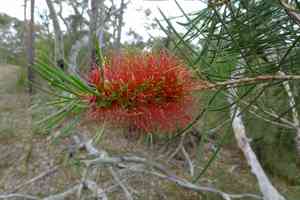
When selecting Bottlebrush for your outdoor space, its distinct attributes make it an excellent option. Renowned for its vivid, brush-like blossoms, Bottlebrush is both visually striking and adaptable. This plant, indigenous to specific areas, thrives in diverse soil types and climates. Typically, Bottlebrush grows as an evergreen shrub, noted for its resilience against pests and diseases, thus making it a low-upkeep addition to your landscape. Its slender leaves and prominent red flowers create a natural, textured look that can elevate any garden setting.
The visual appeal of Bottlebrush in garden layouts
Bottlebrush is highly valued for its aesthetic charm. Its bright red blooms appear year-round, providing continuous color to the garden. Beyond its visual allure, the plant's structure offers an excellent green backdrop. Whether utilized as a hedge, border plant, or a solitary centerpiece, Bottlebrush can seamlessly integrate into various garden styles, from contemporary to rustic.
Optimal Placement for Bottlebrush Display
Advice for choosing the ideal spot in your yard
Selecting the correct location for Bottlebrush is vital for maximum visual impact and healthy development. This plant flourishes in areas with full sun exposure, as sunlight is crucial for its vibrant flowering. Consider planting Bottlebrush along walkways, driveways, or as part of a mixed border to attract attention and create focal points within your garden. Also, ensure it has ample space to grow, as it can reach considerable heights and spread significantly.
Understanding Bottlebrush's light and soil needs
Bottlebrush performs best in well-draining soil. Overly compacted or waterlogged ground can impede its growth. Enhance the planting site with organic material to improve soil structure and fertility. It's important to note that while Bottlebrush is quite drought-tolerant once established, it still benefits from consistent watering during its initial growth phase. For sunlight, aim for at least six hours of direct sun daily to ensure robust flowering and healthy foliage.
Integrating Bottlebrush into Themed Landscaping
Creating a central feature with Bottlebrush
To make Bottlebrush the highlight of your garden, use it as a focal point. Positioning it in the middle of a garden bed or at the end of a path can draw attention and establish a visual anchor. If space allows, a cluster of Bottlebrush plants can form a stunning grouping that captures the eye from various angles. Enhance the design by incorporating garden ornaments or water features nearby to boost its prominence.
Pairing Bottlebrush with complementary flora
Combining Bottlebrush with compatible plants can enhance your garden's beauty. Consider plants that offer contrasting colors, leaf shapes, or growth habits. For instance, pairing Bottlebrush with lavender or rosemary can create a pleasing contrast due to their differing textures and forms. Low-growing ground covers or plants with silver foliage, like sage, can effectively highlight the vibrancy of Bottlebrush's flowers. This harmonious blend ensures a cohesive and visually appealing garden space.
Seasonal Garden Considerations with Bottlebrush
Best times of year for planting and relocating Bottlebrush
The ideal periods for planting or moving Bottlebrush are during the cooler months of spring and autumn. These seasons offer favorable conditions, including moderate temperatures and increased moisture, which aid root establishment. Avoid planting during peak summer or the coldest winter months, as extreme temperatures can stress the plant and hinder its development.
Preparing Bottlebrush for changing seasons
Seasonal preparation ensures Bottlebrush remains healthy and vibrant year-round. During winter, although Bottlebrush is quite resilient, protecting young plants with mulch can prevent root damage from frost. In summer, deep watering and mulching help retain soil moisture and keep roots cool. Regular pruning after flowering encourages new growth and maintains a neat appearance, preparing the plant for subsequent blooming cycles.
Long-Term Care and Maintenance Advice
Routine tasks to boost Bottlebrush's growth and appearance
Maintaining Bottlebrush involves simple yet effective routine tasks. Consistent watering during dry periods, mulching to preserve soil moisture, and timely pruning to shape the plant and remove spent flowers are essential practices. Fertilizing Bottlebrush with a balanced, slow-release product during growing seasons can also promote robust growth and extended blooms.
Early detection and resolution of potential problems
Prompt identification and intervention are crucial for managing potential issues with Bottlebrush. Watch for signs of stress, such as yellowing leaves or wilting, which could indicate water imbalance or nutrient deficiencies. Also, regularly inspect for pests like aphids or scale insects, which, though uncommon, can affect the plant. Addressing these issues quickly with appropriate treatments ensures Bottlebrush stays healthy and continues to enhance your garden.



