Enhancing Your Garden Design with the Purple beautyberry Plant: A Landscaping Guide
1
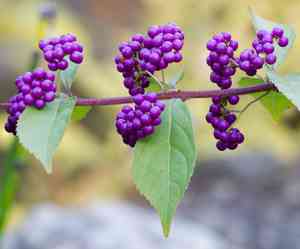
Purple beautyberry offers continuous aesthetic appeal through its vivid fruits and distinctive leaves.
2
It's crucial to evaluate light conditions and ground composition when selecting a spot for Purple beautyberry.
3
Purple beautyberry can serve as an engaging centerpiece or a supportive element in your landscape plan.
Introducing Purple Beautyberry in Landscaping
Overview of Purple Beautyberry and its unique visual appeal
Purple beautyberry is a remarkable addition to any landscape, known for its strikingly vivid berries that make it stand out. Its arching stems and lush green leaves add a touch of elegance and structure, while the small, delicate flowers provide an added layer of beauty in the spring. This plant is not just about appearance; it offers multi-season interest, making it a valuable asset to gardens focused on both aesthetics and functionality.
The role of Purple Beautyberry in modern and traditional garden styles
Whether you are designing a contemporary garden or a traditional one, Purple beautyberry fits seamlessly into various styles. In modern garden designs, it can be used to create clean lines and minimalistic beauty. At the same time, its classic appeal makes it a perfect match for traditional gardens, where it can be utilized in borders or as a part of a mixed shrubbery bed. Its versatility allows it to be a standout feature or blend harmoniously with other plants.
Integrating Purple Beautyberry into Landscape Designs
Choosing the right location for Purple Beautyberry in your garden
The success of Purple beautyberry in your garden largely depends on where you plant it. Ideally, it should be placed in an area that receives full sun to partial shade to thrive. The soil should be well-draining but moist to ensure healthy growth. Think about the plantâs mature size and space it accordingly to avoid overcrowding. Proper placement will enhance its beauty and ensure it remains a low-maintenance addition to your landscape.
Combining Purple Beautyberry with other plants for a cohesive look
Creating a cohesive garden design with Purple beautyberry involves thoughtful plant combinations. Pair it with shrubs such as hydrangeas or ornamental grasses to create layers of texture and color contrast. It works well with plants that have different bloom times, ensuring your garden is always lively. Use it alongside evergreens to provide a striking contrast during the fall and winter months, when its berries are at their brightest.
Seasonal Considerations for Purple Beautyberry
What to expect from Purple Beautyberry in different seasons
Purple beautyberry changes with the seasons, providing varying visual interest and benefits throughout the year. In spring, it boasts fresh green foliage and delicate flowers. Come summer, the plant begins to develop its characteristic purple berries, which reach peak vibrancy in the fall. During winter, even after the leaves drop, the colorful berries persist, adding winter interest and a food source for birds.
Preparing Purple Beautyberry for seasonal changes
Preparing Purple beautyberry for seasonal transitions involves a few key steps to ensure it remains healthy and vibrant. Mulching around the base can help conserve moisture and protect roots during temperature extremes. Pruning in late winter or early spring before new growth begins is essential for maintaining its shape and promoting better flowering and berry production. Regular feeding during the growing season will also support its overall health and robustness.
Aesthetic Benefits of Purple Beautyberry
Highlighting the visual impact of Purple Beautyberry's vibrant colors
Purple beautyberry is renowned for its visually striking berries, whose bright purple hues can enliven any garden setting. The plant's rich green foliage provides a perfect backdrop for these vibrant fruits, creating a stunning color contrast that captures attention. Whether used as a hedge, a mass planting, or an individual specimen, Purple beautyberry adds an element of surprise and delight with its dynamic colors.
Using Purple Beautyberry to create focal points in garden designs
Making Purple beautyberry a focal point in your garden can transform the landscape. Plant it in strategic locations where its vivid berries can be admired, such as at garden entrances or along pathways. It can also be used to draw the eye towards certain garden features, like a bench or a water feature. Its natural arching form adds architectural interest, making it a focal point even when the plant is not in full berry.
Maintenance Tips for Purple Beautyberry
Basic maintenance needs of Purple Beautyberry for optimal growth
Ensuring Purple beautyberry thrives in your garden involves meeting its basic care needs. Regular watering is essential, especially during dry periods, to keep the soil consistently moist. Annual pruning helps maintain its shape and encourages more vibrant berry production. Fertilizing in the spring with a balanced, slow-release fertilizer provides necessary nutrients for robust growth. Additionally, monitoring for pests and diseases and taking action when needed will keep Purple beautyberry healthy.
Addressing common challenges in growing Purple Beautyberry
Growing Purple beautyberry can come with a few challenges, such as soil drainage issues or pest infestations. To address poor drainage, consider amending the soil with organic matter to improve its structure. For pest control, regularly inspect the plant and use organic or chemical treatments as necessary. Providing adequate spacing and airflow can help prevent fungal diseases. Being proactive about these common issues will ensure Purple beautyberry remains a beautiful and trouble-free addition to your garden.



