Enhancing Your Garden Design with the Chinese box Plant: A Landscaping Guide
1
Chinese boxwood provides both visual charm and practical advantages in various landscape layouts.
2
Proper positioning and upkeep are essential for the finest development and vitality of Chinese boxwood.
3
Knowing typical issues helps you sustain a flourishing Chinese boxwood in your outdoor space.
Introducing Chinese Boxwood in Landscape Design
The visual appeal of Chinese boxwood in garden layouts
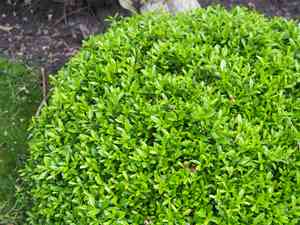
When considering enhancing your outdoor space, Chinese boxwood stands out due to its distinct visual charm. Its thick foliage and evergreen characteristics make it a perpetual favorite among garden enthusiasts. The small, shiny leaves of Chinese boxwood create a refined appearance that suits both formal and informal environments. Whether you aim to craft a classic English garden or a sleek, contemporary outdoor area, Chinese boxwood can effortlessly integrate and elevate your surroundings.
Understanding the hardiness and adaptability of Chinese boxwood
Beyond its visual charm, Chinese boxwood is celebrated for its hardiness and versatility. This robust shrub can flourish in diverse soil conditions, making it a flexible option for various landscapes. Its tolerance to trimming and shaping also means you can sculpt it to fit your specific design vision. From hedges and borders to individual topiaries, Chinese boxwood's adaptability ensures it can fulfill a wide range of landscaping requirements.
Examples of successful landscapes featuring Chinese boxwood
Numerous successful landscape projects globally prominently feature Chinese boxwood. For instance, its application in the gardens of historic estates underscores its enduring appeal. Modern landscapes equally benefit from Chinese boxwood's structure and form, with urban parks and private homes utilizing it to create tranquil, green spaces. These instances highlight the versatility and timelessness of incorporating Chinese boxwood into your garden design.
Design Principles Using Chinese Boxwood
Integrating Chinese boxwood into traditional and modern designs
Chinese boxwood possesses the unique capability to blend into both traditional and contemporary designs. For classic gardens, Chinese boxwood can be shaped into symmetrical forms, contributing to a formal, structured look. In modern settings, the clean lines and simple shapes of Chinese boxwood offer a minimalist aesthetic that complements sleek architectural designs. By understanding how Chinese boxwood fits within different stylistic frameworks, you can effectively use it to enhance your landscape.
Balancing color, texture, and form with Chinese boxwood
A key to effective garden design is harmonizing color, texture, and form. Chinese boxwood provides a rich green hue year-round, which can serve as a backdrop for more vibrant flowering plants. The texture of Chinese boxwood's small leaves creates a lush, dense appearance, adding depth to your garden. By thoughtfully integrating Chinese boxwood with other plants, you can create a harmonious landscape that delights the senses.
Creating focal points with Chinese boxwood in your garden
Strategic placement of Chinese boxwood in your garden can help establish striking focal points. Whether sculpted as a topiary or allowed to grow naturally as a full shrub, Chinese boxwood draws the eye and anchors garden areas. Use Chinese boxwood to highlight key zones such as entryways, pathways, or seating areas. Its ability to be pruned into various shapes also means you can create interesting and dynamic visual statements.
Seasonal considerations for Chinese boxwood in landscaping
When planning your landscape, consider the seasonal requirements of Chinese boxwood. While it is evergreen and provides year-round interest, understanding its growth cycles will help you maintain its health and appearance. During periods of active growth, regular trimming is essential to maintain its form. Additionally, winter protection may be necessary in colder climates to ensure Chinese boxwood continues to thrive. By aligning your care routines with seasonal changes, you can maximize the beauty and health of your Chinese boxwood.
Cultivation Tips for Optimal Growth
Best soil types and locations for planting Chinese boxwood
Choosing the appropriate soil type and planting location is vital for the successful cultivation of Chinese boxwood. It prefers well-drained soil and can tolerate a range of pH levels, though it thrives in slightly acidic to neutral conditions. Placing Chinese boxwood in a position with partial to full sunlight ensures optimal growth. Avoid areas with waterlogging, as excessive moisture can lead to root rot and other problems.
Watering and feeding requirements
Consistent watering is important for Chinese boxwood, especially during its initial establishment phase. Ensure the soil remains moist but not saturated. During dry periods, increase irrigation frequency to alleviate stress. Fertilizing Chinese boxwood with a balanced nutrient solution in early spring can promote vigorous growth. Be cautious with over-fertilization, as excessive nutrients can harm the plant.
Pruning strategies to maintain shape and health
Pruning is a crucial aspect of Chinese boxwood maintenance. Regular trimming helps maintain its form and encourages dense growth. The ideal time to prune Chinese boxwood is late spring to early summer when the plant is actively growing. Use clean, sharp tools to make precise cuts, and remove any dead or diseased branches to maintain overall plant health.
Common Challenges and Solutions
Dealing with pests and diseases affecting Chinese boxwood
Like all plants, Chinese boxwood can be susceptible to pests and diseases. Common issues include boxwood blight and leaf miners. Regularly inspect your plants for signs of infestation or disease. Implementing integrated pest management strategies, such as introducing natural predators and maintaining plant health, can help mitigate these issues. Fungicides and insecticides may be used as a last resort.
Addressing common growth issues
Sometimes, despite best efforts, Chinese boxwood may experience growth problems such as yellowing leaves or slow growth. These issues can often be traced back to environmental stress or nutrient deficiencies. Conduct a soil test to determine any nutrient imbalances and amend accordingly. Ensuring adequate water and proper sunlight can also resolve many growth-related issues.
Mitigating environmental stressors
Environmental stressors such as extreme temperatures, strong winds, or waterlogging can affect Chinese boxwood. Planting in a sheltered location can protect against wind damage, while mulching helps conserve soil moisture and regulate temperature. Avoid areas prone to waterlogging by improving drainage or considering raised beds. By being proactive and addressing these stressors, you can maintain a healthy and vibrant Chinese boxwood.



