Enhancing Your Garden Design with the Queen's tears Plant: A Landscaping Guide
1
Queen's tears adds an exotic flair and lively hue to any outdoor space.
2
For Queen's tears to thrive, proper sunlight and soil conditions are crucial.
3
Placing Queen's tears alongside suitable companion plants can boost its visual charm and the garden's overall look.
Appreciating the Visual Charm of Queen's tears
Highlight the distinct visual characteristics of Queen's tears
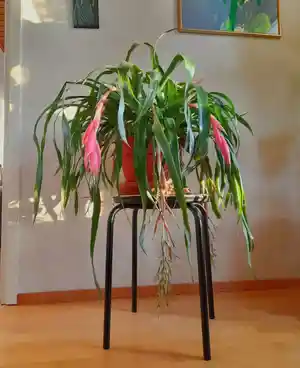
To enhance your garden's visual appeal, incorporating Queen's tears is an excellent choice. This unique plant features arching foliage and vibrant blossoms, creating a captivating display. The mix of pinks, purples, and blues in its flowers offers a striking contrast against its rich green leaves. Beyond its beautiful blooms, Queen's tears possesses an intriguing, almost architectural look that lends a professional, refined touch to your garden.
Explain how Queen's tears' color and form enhance outdoor areas
Queen's tears is a transformative plant that can significantly improve your outdoor space. Its vibrant color palette not only adds visual interest but also attracts pollinators like hummingbirds and bees, contributing to a healthier garden ecosystem. Its unique shapes, from cascading leaves to upright flower stalks, provide varied texture that can break monotony and add depth to your garden layout. Whether used as a focal point or integrated with other plants, Queen's tears elevates the overall aesthetic of your landscape.
Selecting the Optimal Spot for Queen's tears in Your Garden
Factors for ideal placement consideration
Choosing the correct location for Queen's tears in your garden is vital for its growth and visual impact. Assess elements such as sunlight, soil composition, and water drainage. Queen's tears thrives best in partial shade with well-draining soil. While it tolerates various soil types, ensuring the soil is rich in organic matter will help it flourish. Additionally, consider the plant's mature size and spacing needs to prevent overcrowding, which can lead to reduced airflow and increased disease susceptibility.
Advice for combining Queen's tears with other plants
Properly grouping Queen's tears with other complementary plants can enhance its beauty and ensure a harmonious garden design. Pair Queen's tears with plants that share similar sunlight and watering requirements, such as ferns, hostas, and other bromeliads. Use plants with contrasting foliage colors and textures to create an attractive visual balance. Groundcovers and low-growing plants placed around Queen's tears can also help highlight its stunning form and flower spikes, making it a focal point within a diverse planting scheme.
Incorporating Queen's tears into Themed Landscapes
Examples of garden themes suitable for Queen's tears
Queen's tears fits a variety of garden themes, making it a versatile option for themed landscaping. It's an exceptional match for tropical gardens, where its vibrant colors and lush leaves contribute to an exotic feel. In contemporary gardens, its striking form and unique flowers can add a modern, almost sculptural element. Additionally, Queen's tears thrives in xeriscaped gardens due to its low water needs, making it an excellent choice for water-efficient landscapes.
Innovative ways to feature Queen's tears in theme-based designs
Creatively integrating Queen's tears into your theme-based garden can yield stunning results. In tropical settings, group several Queen's tears plants together to create a lush, island-inspired oasis. For a modern landscape, plant Queen's tears around sleek, geometric features like stone pathways or metal sculptures to emphasize their contemporary flair. In xeriscaped gardens, use Queen's tears as a colorful accent among a mix of cacti and succulents, helping to break the monotony of arid plant palettes while maintaining the low-maintenance theme.
Upkeep Guidelines for Queen's tears in Landscaping
Simplify the fundamental care required for Queen's tears
Maintaining Queen's tears is relatively straightforward, making it a great addition for gardeners of all skill levels. Ensure the soil remains well-drained to prevent root rot. Water the plant moderately, allowing the top inch of soil to dry out between waterings. Fertilize lightly during the growing season with a balanced, water-soluble fertilizer to promote healthy growth and vibrant blooms. Regularly remove dead leaves and spent flowers to keep the plant looking tidy and to encourage new growth.
Seasonal considerations for preserving the beauty of Queen's tears
To keep Queen's tears looking its best year-round, it's important to consider seasonal changes. During warmer months, ensure the plant receives adequate water, but be careful not to overwater. In cooler climates, Queen's tears can be brought indoors or protected with mulch to avoid frost damage. Regularly inspect the plant for pests such as aphids and scale insects, and treat any infestations promptly. With proper care through the seasons, Queen's tears will remain a vibrant and striking component of your garden.



