Enhancing Your Garden Design with the Crossvine Plant: A Landscaping Guide
1
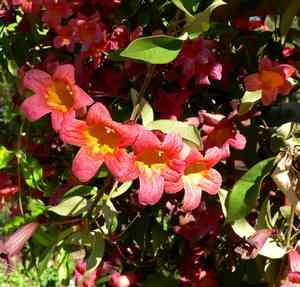
Crossvine offers a stunning aesthetic with its vivid blooms and abundant leaves.
2
Crossvine is capable of ascending structures, forming living green barriers and introducing vertical interest to your outdoor space.
3
Thoughtful placement of Crossvine within your garden can amplify its attractiveness and support its best development.
Exploring Crossvine's Role in Landscape Design
Discover the visual advantages of Crossvine in your garden
A primary benefit of incorporating Crossvine into your landscape plan is its aesthetic appeal. Crossvine offers a burst of color and rich green foliage, capable of enlivening any garden. Its climbing nature enables it to adorn trellises, fences, and arbors, forming a natural tapestry that adds texture and depth to your outdoor area. The vivid blossoms attract pollinators like bees and butterflies, introducing a dynamic and lively element to your garden.
Examine Crossvine's growth patterns and their practical implications for landscape planning
Crossvine is a vigorous climber, recognized for its capacity to quickly cover extensive areas. This characteristic makes it an excellent option for establishing privacy screens or concealing unattractive structures. The plant's growth habit includes clinging tendrils that can attach to various surfaces, making it versatile for vertical gardening. However, its robust growth also necessitates careful management to prevent it from overpowering other plants. Comprehending these growth habits allows gardeners to creatively utilize Crossvine in their designs, ensuring it enhances rather than dominates the landscape.
Selecting the Optimal Site for Crossvine
Considerations for planting Crossvine to achieve maximum visual impact
When choosing a location for Crossvine, evaluate its light requirements and growth potential. Crossvine thrives in full sun to partial shade, so positioning it where it receives ample sunlight will ensure vigorous growth and abundant flowering. Additionally, think about the visual perspective – placing Crossvine in areas visible from multiple viewpoints can maximize its effect. It's also crucial to consider the plant's mature size to prevent overcrowding and guarantee it has sufficient room to flourish.
Advice on situating Crossvine relative to other plants and structures
Properly positioning Crossvine in relation to other plants and garden structures is vital for a cohesive landscape design. Ideally, Crossvine should be planted near sturdy supports such as trellises, arbors, or pergolas, where it can ascend and spread. It pairs well with shrubs that offer a contrasting backdrop and other climbers that bloom at different times, ensuring continuous color throughout the seasons. Also, consider its ability to provide shade for plants that prefer cooler, shaded conditions, creating a layered and visually appealing garden.
Integrating Crossvine with Other Garden Elements
Compatible plants that complement Crossvine effectively
To achieve a harmonious garden design, select plants that complement Crossvine's characteristics. For instance, pairing Crossvine with evergreen shrubs can provide year-round structure and color contrast. Ornamental grasses can add movement and texture, while perennials with varying bloom times can extend the flowering season. Plants with similar light and water needs will thrive together, simplifying maintenance and ensuring all plants remain healthy and vibrant.
Design concepts for creating balanced visuals using Crossvine
Designing with Crossvine involves more than just planting; it requires creativity and foresight. Consider using Crossvine to frame garden entrances or pathways, drawing the eye and encouraging exploration. Integrate it into mixed borders, allowing it to weave through other plants and create gentle transitions. Furthermore, use Crossvine as a focal point by letting it cover an arbor or pergola, creating a stunning backdrop for outdoor seating areas. The objective is to create a landscape that feels natural and balanced, with Crossvine enhancing the overall design.
Seasonal Considerations for Crossvine
Optimal seasons for planting Crossvine to promote growth and health
The best time to plant Crossvine is during the cooler months of spring or fall. Planting during these seasons allows Crossvine to establish roots without the stress of extreme heat or cold. Spring planting gives the plant an entire growing season to become established, while fall planting benefits from cooler temperatures and natural precipitation. Avoid planting during the scorching summer months, as the heat can be too intense for new transplants and hinder their establishment.
How Crossvine adapts to various seasonal changes
Crossvine is renowned for its resilience and adaptability to different seasonal shifts. In spring, it bursts into bloom, offering a spectacle of flowers that persist into early summer. During the hot summer months, Crossvine benefits from consistent watering to remain lush and vibrant. As autumn approaches, its growth slows, preparing for winter dormancy. While Crossvine is hardy, it can benefit from a layer of mulch to protect its roots during the coldest periods. Understanding these seasonal behaviors helps gardeners provide appropriate care year-round, ensuring Crossvine remains a highlight of the landscape.



