Enhancing Your Garden Design with the Paper birch Plant: A Landscaping Guide
1
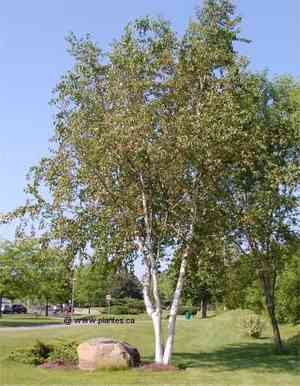
The Paper birch offers continuous aesthetic value due to its prominent white bark and seasonal hue shifts.
2
Paper birch draws in diverse local fauna, creating a sanctuary for avian species and helpful insects.
3
Choosing an optimal site and delivering proper maintenance guarantees the Paper birch flourishes in your landscape.
Why Select Paper Birch for Your Outdoor Space?
Attractive Visual Qualities: Explore the unique appearance of Paper Birch
Paper birch is celebrated for its striking white bark, which offers a dramatic contrast against the vibrant greenery of your garden. This distinct characteristic not only provides visual interest during the colder months when other trees are bare but also creates a captivating focal point year-round. The bark's peeling texture adds another layer of visual complexity, making Paper birch a standout element in any landscape design.
Seasonal Appeal: How Paper Birch transforms throughout the year
Paper birch presents a dynamic presence in your garden, altering its look with each season. In spring, you'll observe its delicate catkin blooms, which give way to lush green foliage in summer. As autumn approaches, these leaves transition to a brilliant yellow, creating a stunning display before shedding and revealing the tree's iconic white bark. This seasonal progression ensures there's always something fresh and exciting to behold in your garden.
Natural Environment and Wildlife Support: Attract local fauna with Paper Birch
Paper birch plays a vital role in sustaining local ecosystems. Its leaves, seeds, and bark offer sustenance and shelter for various bird species, insects, and small mammals. By planting Paper birch, you not only enrich your garden's biodiversity but also contribute to a healthier environment. Observing birds and other wildlife interacting with your garden can be a fulfilling experience, making Paper birch an excellent choice for nature enthusiasts.
Optimal Placement for Paper Birch in Your Landscape
Choosing the Best Spot: Key considerations
When deciding where to plant Paper birch, it's crucial to evaluate factors such as available space, soil composition, and proximity to other plants. Paper birch prefers ample room for its roots to spread without competition from nearby vegetation. Furthermore, planting Paper birch in an area with good drainage and slightly acidic soil will promote its growth. Avoid locations prone to waterlogging, as this can lead to root rot.
Sunlight and Soil Needs: Ideal conditions for Paper Birch
Paper birch flourishes in sites receiving full sun to partial shade. A minimum of 6 hours of direct sunlight daily is optimal for robust growth. The soil should be well-drained and can range from sandy to loamy, with a pH that is slightly acidic to neutral. Consistent watering is essential during its establishment phase, but once mature, Paper birch can endure occasional dry periods.
Spacing and Arrangement: Maximizing growth and visual impact
To ensure Paper birch grows well and maintains its aesthetic appeal, proper spacing is critical. Plant each tree at least 20 feet apart to allow sufficient space for root and canopy development. This spacing not only prevents overcrowding but also enables you to fully appreciate Paper birch's unique beauty. Consider planting Paper birch in clusters of three or five to create a natural, forest-like setting within your garden.
Integrating Paper Birch with Other Flora
Companion Planting: Perfect partners for Paper Birch
Selecting appropriate companion plants can enhance the vitality and beauty of Paper birch. Plants such as ferns, hostas, and groundcovers thrive beneath Paper birch's canopy, benefiting from the shade and moist soil conditions. Shrubs like azaleas and rhododendrons also pair well, as they share similar soil preferences. These combinations not only create a harmonious garden design but also contribute to a more vibrant and diverse ecosystem.
Creating Layered Plantings: Adding depth and texture
Layered plantings introduce depth and visual interest to your garden. Begin with low-growing groundcovers and perennials at the base of Paper birch, then incorporate medium-height shrubs or ornamental grasses, and finally, allow Paper birch to stand tall as the primary feature. This layering technique not only looks beautiful but also optimizes the use of vertical space, resulting in a lush, textured garden.
Color Harmony: Matching Paper Birch's foliage with other plant hues
Coordinating plant colors can significantly boost your garden's aesthetic appeal. Paper birch's yellow autumn foliage beautifully complements the deep reds and oranges of maples and oaks, creating a vibrant fall display. During the summer, its green leaves harmonize with flowering perennials in shades of purple, blue, and pink. By thoughtfully choosing plants that align with Paper birch's seasonal colors, you can create a cohesive and visually pleasing garden.
Year-Round Maintenance Tips for Paper Birch
Seasonal Care Overview: Ensuring continuous health
Caring for Paper birch throughout the year involves distinct tasks for each season. In spring, inspect for any signs of disease or damage and apply a balanced fertilizer to encourage new growth. Summer care includes regular watering during dry spells and monitoring for pests. In autumn, remove fallen leaves and debris to prevent fungal issues, and in winter, shield young trees from strong winds and cold temperatures.
Pruning and Upkeep: Keeping Paper Birch in optimal condition
Regular pruning helps maintain Paper birch's form and health. Prune in late winter or early spring before new growth commences. First, remove dead, damaged, or diseased branches, then thin out crowded areas to improve air circulation. Be careful not to over-prune, as Paper birch tends to bleed sap if cut excessively. Proper maintenance will ensure your tree remains healthy and visually appealing.
Winter Protection: Guarding Paper Birch against the cold
Winter can be challenging for Paper birch, especially young trees. To protect them, apply a layer of mulch around the base to insulate the roots and retain moisture. Use burlap or tree wraps to shield the trunk from harsh winds and fluctuating temperatures. Additionally, avoid using de-icing salts near the tree, as these can harm the roots and soil quality. Taking these precautions will help Paper birch thrive even in the coldest months.



