Enhancing Your Garden Design with the River birch Plant: A Landscaping Guide
1
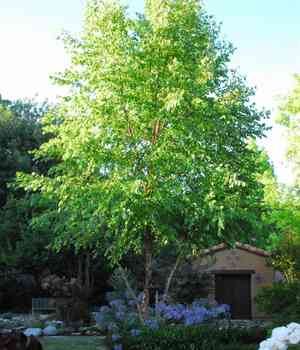
River birch enhances your garden with its inherent charm and environmental advantages.
2
It is hardy and versatile, thriving in diverse environments.
3
River birch provides year-round aesthetic appeal, enriching your outdoor area.
Introducing River Birch in Landscape Design
Overview of River Birch's Natural Beauty
River birch enhances any landscape, offering unique charm with its distinct bark and delicate foliage. Its inherent grace can transform your garden into a peaceful sanctuary. The peeling bark, in cream and cinnamon tones, adds textural appeal, making river birch a year-round highlight.
How River Birch Boosts Outdoor Space Appeal
The elegant form and attractive leaves of river birch significantly elevate the visual appeal of any outdoor area. Its foliage, which turns a vivid yellow in autumn, creates a stunning display that enriches your garden's charm. Strategic placement of river birch can establish a picturesque focal point that captivates the eye and heart.
River Birch's Adaptability and Durability
Beyond its beauty, river birch is renowned for its resilience and versatility. It thrives in various soil types, including clay and sandy, and tolerates different moisture levels. This adaptability makes it an excellent choice for gardeners seeking beauty without extensive upkeep.
Design Concepts Using River Birch
Creating Garden Highlights with River Birch
Employ river birch as a central feature in your garden design to attract attention and provide structure. Whether solitary or in clusters, river birch can anchor garden beds and form visually engaging areas that mesmerize observers.
Using River Birch for Natural Privacy Screens
River birch can be planted in rows or groups to form natural barriers that offer seclusion while seamlessly integrating into the landscape. This allows you to enjoy a private, tranquil outdoor space without sacrificing natural beauty.
Integrating River Birch into Mixed Plantings
For a vibrant and visually appealing garden, consider incorporating river birch into diverse plantings. Pairing it with flowers, shrubs, and other trees can create a lush, multi-layered appearance. Its foliage and bark provide a contrasting backdrop that accentuates the colors and textures of nearby plants.
Advantages of River Birch in Your Garden
Ecological Benefits of Including River Birch
River birch is not only visually pleasing but also ecologically valuable. It provides shelter and sustenance for various wildlife, enriching your local ecosystem. This plant supports biodiversity, turning your garden into a haven for birds, insects, and other creatures.
Low Maintenance Aspects of River Birch
A key benefit of river birch is its minimal care requirements. Once established, it needs little attention, making it perfect for busy gardeners. Its resistance to pests and diseases further reduces the need for regular interventions, letting you enjoy its beauty with less effort.
Seasonal Visual Interest from River Birch
River birch offers continuous beauty, with each season presenting distinct visual delights. In spring and summer, its abundant green leaves provide a vibrant setting. In autumn, the foliage turns a spectacular yellow, and in winter, the peeling bark stands out against a snowy backdrop, ensuring your garden remains attractive throughout the year.
Selecting the Ideal Location for River Birch
Evaluating Sunlight and Soil Conditions
To ensure river birch flourishes, it's crucial to assess your garden's sunlight and soil conditions. River birch prefers full sun to partial shade and adapts to various soil types, though it thrives best in moist, well-drained soils. Optimal conditions will help river birch grow robustly and stay healthy.
Spacing Considerations for Growth
When planting river birch, account for its mature size to allow ample room for development. Planting too closely can lead to overcrowding and poor air circulation, potentially affecting its health. Proper spacing ensures each plant has sufficient space to grow strong and beautiful.
Proximity to Water Sources
River birch has moderate water needs, especially when young. Planting it near a water source or in a moisture-retaining area will support its growth. However, be cautious of excessively wet conditions, as this can cause root rot. Balancing moisture levels is vital for river birch's health.
Integrating River Birch with Other Landscape Elements
Harmonizing River Birch with Hardscape Features
Incorporate river birch with hardscape elements like patios, pathways, and garden walls to create a unified landscape design. Its natural beauty complements stone and wood features, forming a harmonious blend of natural and man-made structures, enhancing the overall aesthetic.
Pairing River Birch with Perennial Plants
Combine river birch with perennial plants to boost your garden's visual appeal and biodiversity. Perennials offer year-round beauty and variety, while river birch provides a sturdy, attractive background. This combination ensures a vibrant, dynamic landscape that evolves and remains engaging through the seasons.
Tips for Achieving Visual Balance
Achieving visual balance in your garden involves careful placement and pairing of plants. Use river birch to create focal points and balance more colorful or densely planted areas. Consider the height, color, and texture of surrounding plants to ensure a harmonious and aesthetically pleasing garden layout.



