Enhancing Your Garden Design with the Common barberry Plant: A Landscaping Guide
1
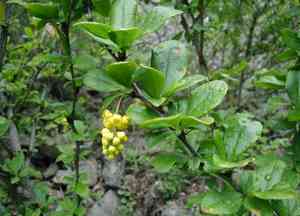
The common barberry is a adaptable plant providing continuous aesthetic appeal.
2
It's suitable for forming natural boundaries, improving rockeries, and highlighting paths.
3
Correct positioning, accounting for light, shade, and distance, guarantees robust development and vivid look.
Why Incorporate Common Barberry into Your Landscape?
Enhances Color Variation in Your Garden
A key attribute of Common barberry is its capacity to introduce vivid hues into your garden space. Its rich leaves can range from deep crimson to bright green depending on the time of year, offering a striking contrast against other flora. This diverse color palette not only breaks up green monotony but also highlights surrounding blooms and foliage, making your garden visually engaging. Strategically position Common barberry near more understated plants to emphasize their beauty and forge stunning visual combinations.
Creates a Structured Appearance
Common barberry excels at imparting a structured, orderly look to your garden. This adaptable shrub can be trimmed and shaped to suit your desired aesthetic, whether forming neat hedges or intricate topiary designs. The organized growth habit of Common barberry aids in defining garden zones, producing a clean, well-arranged aesthetic. It's especially effective in formal garden settings where symmetry and precision are paramount.
Year-Round Visual Appeal
Unlike many plants that reach their peak during a specific season, Common barberry offers continuous interest throughout the year. In spring, it displays bright, emerging leaves. By summer, it exhibits vibrant berries, which tend to attract birds, adding a lively dimension to your area. During autumn, the foliage adopts striking shades, and in winter, the bare stems provide a sculptural element. This constant display ensures your garden remains attractive all year.
Design Concepts Utilizing Common Barberry
Establishing Natural Boundaries
A practical and aesthetically pleasing application of Common barberry in the garden is to create natural boundaries. Its dense foliage and ability to grow to manageable heights make it ideal for delineating garden edges. Plant Common barberry along the perimeter of your garden beds or property lines to form a living barrier that is both functional and appealing. This natural border can help in containing other plants, reducing upkeep, and giving your garden a well-planned look.
Integration into Rock Gardens
Common barberry also blends beautifully into rock gardens. Its robust nature and tolerance to various soil types make it an excellent choice for rocky landscapes. The contrasting textures of the shrub's leaves and the stones create an eye-catching arrangement. Furthermore, Common barberry's ability to thrive in less fertile soil makes it a practical addition, requiring minimal care while enhancing visual appeal with vibrant colors and unique forms.
Highlighting Walkways and Paths
Utilize Common barberry to emphasize walkways and paths in your garden. Planting them along garden paths not only guides visitors but also enriches the journey with bursts of color and structured greenery. This method can transform simple pathways into picturesque strolls, making every step through your garden a delight. Keeping Common barberry neatly trimmed along these paths will contribute to a tidy, well-maintained appearance.
Optimal Practices for Placing Common Barberry in Your Garden
Assessing Sun and Shade Needs
Proper placement of Common barberry largely depends on understanding its sun and shade requirements. Common barberry thrives best in full sun to partial shade. Ensure that the chosen spot in your garden receives ample sunlight while offering some relief during the hottest parts of the day. This balance allows the plant to maintain its vibrant foliage and health throughout the seasons.
Spacing for Growth and Vitality
Sufficient spacing is vital when planting Common barberry to ensure healthy development and full maturity. Space each plant adequately apart to allow enough room for air circulation and minimize the risk of disease. Consider the mature size of the shrub, typically about 3-6 feet in height and width, to prevent overcrowding. Proper spacing not only promotes plant health but also ensures each plant's beauty is not obscured by its neighbors.
Complementary Plant Pairings
Pairing Common barberry with complementary plants enhances its aesthetic value in the garden. Opt for plants with varied textures, heights, and colors to create a more dynamic and appealing garden design. For instance, combining Common barberry with taller ornamental grasses or delicate flowering perennials can create a layered effect, adding depth and interest. This thoughtful pairing maximizes the visual impact of both Common barberry and its companions.
Seasonal Considerations for Common Barberry
Spring and Summer Bloom
Spring and summer are prime periods for Common barberry as it begins to flower and display its fresh foliage. During spring, bright new leaves emerge, revitalizing the garden after winter. You may also notice small, subtle flowers that contribute to its overall charm. Summer follows with vibrant berries, providing additional color and attracting wildlife, making these seasons particularly lively and colorful with Common barberry in your garden.
Autumn Foliage and Winter Appeal
Fall and winter bring their own distinct allure with Common barberry. As temperatures drop, the foliage transforms into warm, autumnal shades, offering a stunning spectacle. In winter, even without leaves, the structure of Common barberry adds an interesting visual element to an otherwise bare garden. Its branches often retain lingering berries, ensuring there's always something to admire. Planning for these seasonal changes ensures Common barberry adds beauty to your garden throughout the year.



