Enhancing Your Garden Design with the Common daisy Plant: A Landscaping Guide
1
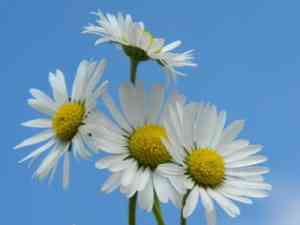
The common daisy adapts well, suiting diverse garden aesthetics, from rustic to contemporary.
2
Common daisies flourish in soil that drains effectively and receives ample sun exposure.
3
Consistent care guarantees the common daisy stays a lively element in your outdoor space.
Introducing the Common Daisy in Garden Design
Overview of the Common Daisy's aesthetic and practical uses in garden settings
The charm of the Common Daisy lies in its delightful simplicity and robust usefulness. Whether you're planning an expansive rural garden or a small urban sanctuary, the Common Daisy can be central. Its cheerful blossoms can provide vibrant bursts of color, while its low-lying foliage forms a rich green carpet. Beyond their visual appeal, Common Daisies are resilient plants that can help prevent soil erosion and attract beneficial pollinators such as bees and butterflies.
Advantages of incorporating the Common Daisy into your garden plan
Integrating the Common Daisy into your garden scheme offers a multitude of benefits. Firstly, they are simple to cultivate, making them ideal for both new and experienced gardeners. They also serve as excellent ground cover, effectively suppressing weeds and reducing the need for extensive mulching. Furthermore, the Common Daisy is known for its extended flowering period, often lasting from spring through autumn, ensuring your garden remains colorful for much of the year. Additionally, the presence of Common Daisies can boost biodiversity, providing habitat and food for pollinators.
Selecting the Optimal Spot for Common Daisies
Evaluating light and soil conditions suitable for Common Daisies
To ensure Common Daisies thrive in your garden, you must assess both the light and soil conditions. Common Daisies prefer full sun to partial shade, as ample sunlight promotes more abundant flowering. The soil should drain well but can range from slightly acidic to neutral. Before planting, consider testing your garden soil and enriching it with organic matter if necessary to improve drainage and nutrient content.
Understanding spacing and arrangement for peak growth and visual impact
Correct spacing and arrangement are vital for the best growth and visual effect of Common Daisies. When planting Common Daisies, space them approximately 6-12 inches apart to allow for their mature spread and sufficient air circulation. This helps prevent fungal diseases and ensures each plant has enough resources to flourish. For a more natural appearance, consider planting in drifts or clusters, creating flowing swaths of color throughout your garden. Alternatively, Common Daisies can be used to define pathways, border beds, or even fill in gaps between larger plants.
Designing with Common Daisies: Tips and Techniques
Incorporating color and texture contrast in your landscape design
Creating a visually appealing garden involves playing with color and texture contrasts, and the Common Daisy can be an excellent component in this endeavor. Pair Common Daisies with plants that have contrasting foliage colors or textures to create striking combinations. For instance, their bright blooms can stand out against dark-leaved plants like heucheras, or complement the airy textures of ornamental grasses. Mixing in perennials and annuals with varied bloom times can also ensure continuous interest throughout the seasons.
Utilizing Common Daisies to create focal points and borders in garden design
In garden design, focal points attract the eye and provide visual anchors, while borders define spaces and create structure. Common Daisies can be effectively used in both roles. Plant them in large groups to create a stunning focal point in a flower bed, or use them to neatly border pathways and garden beds. Their neat, low profile makes them ideal for formal garden layouts, while their cheerful flowers add a touch of whimsy to more informal designs.
Examples of successful garden landscapes featuring Common Daisies
There are many successful garden landscapes where the Common Daisy plays a leading role. For example, in a cottage garden, Common Daisies can interweave among taller, traditional flowers like hollyhocks and delphiniums, creating a lush, overflowing look. In modern designs, Common Daisies might be used in geometric patterns or as a uniform border to contrast with more architectural plants. Even in wildflower meadows, Common Daisies can be interspersed with native grasses and blooms, contributing to a natural, untamed beauty.
Caring for Common Daisies in Your Landscape
Basic maintenance advice to ensure healthy growth of Common Daisies
Caring for Common Daisies is relatively simple, but a few fundamental tips can ensure they thrive. Regular watering, especially during dry periods, keeps the soil consistently moist but not waterlogged. Removing spent blooms encourages more flowering and keeps the plants looking neat. Additionally, occasional feeding with a balanced fertilizer supports healthy growth and abundant blooming.
Seasonal care variations for Common Daisies
Seasonal care for Common Daisies can differ slightly to adapt to changing weather conditions. In spring, as new growth emerges, a light application of compost or a slow-release fertilizer can give plants a good start. During summer, watering can be increased to cope with higher temperatures and to maintain soil moisture. In autumn, as the weather cools, reduce watering and trim back any leggy growth to tidy plants before winter. Mulching before winter helps protect the roots from freezing temperatures.



