Enhancing Your Garden Design with the Tuberous begonia Plant: A Landscaping Guide
1
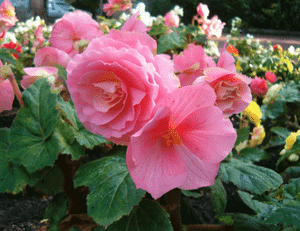
Tuberous begonias provide a striking burst of color in any garden environment.
2
They flourish in low-light spots, making them adaptable for diverse garden layouts.
3
Caring for Tuberous begonia plants involves routine checks and seasonal modifications to ensure their well-being.
Why Select Tuberous Begonia for Your Garden?
Aesthetic Appeal: Its vivid colors and distinct forms
A primary reason to incorporate Tuberous begonia into your garden is its undeniable visual charm. The vibrant colors span from gentle pastels to bright, bold shades, creating a captivating display. The flowers' unique shapes add an extra point of interest, with ruffled petals and diverse structures that stand out among other plants. Whether you aim to establish a focal point or introduce a subtle splash of color, Tuberous begonia offers endless possibilities. Its adaptable appearance can complement both formal and informal garden designs.
Versatility: Thrives in diverse climates and environments
Another significant benefit of Tuberous begonia is its adaptability. These plants are known to flourish in various climates, making them suitable for gardens across different regions. Furthermore, they can thrive in multiple garden settings, from containers and hanging baskets to garden beds and borders. Their ability to grow well in shaded or partially shaded areas also enhances their flexibility in landscape designs. This resilience means you don't need to be an expert gardener to achieve beautiful results with Tuberous begonia.
Seasonal Adaptability: Perfect for both temporary and continuous displays
Tuberous begonia can offer beauty throughout the growing season and beyond. They excel in seasonal displays, providing continuous blooms from late spring into fall. However, with proper care and planning, they can also be integrated into year-round garden designs. When the flowers fade, the lush, green foliage of Tuberous begonia ensures your garden remains attractive. This flexibility makes Tuberous begonia a valuable addition to any garden, guaranteeing ongoing visual interest regardless of the season.
Strategic Placement of Tuberous Begonia in Landscaping
Borders and Edges: Creating natural lines and boundaries
Utilizing Tuberous begonia in borders and edges is a strategic method to enhance your garden's structure. Positioning them along the garden's perimeter can establish natural lines that define different sections, adding depth and organization to your space. The vibrant flowers provide a colorful outline that draws attention and can make the transition between various garden zones smoother and more visually appealing. This technique is particularly effective for achieving a neat, well-maintained appearance.
Focal Points: Using Tuberous begonia to highlight specific areas
Incorporating Tuberous begonia as focal points in your garden can draw attention to particular areas you wish to emphasize. Their bright colors and intriguing shapes can act as visual magnets, guiding the eye toward intended features like garden sculptures, water elements, or seating areas. Strategically placing Tuberous begonia in these spots ensures they become conversation starters and add a vibrant touch to the most cherished parts of your garden.
Under Trees and Shaded Areas: Ideal for lower light environments
If you have areas in your garden that receive less sunlight, Tuberous begonia is an excellent choice. They thrive in shaded or partially shaded environments where many other plants might struggle. Planting them under trees or in other low-light areas can transform otherwise dull spots into lively, attractive parts of your landscape. Their adaptability to shade means they can add color and vibrancy where it's most needed, ensuring your entire garden is visually cohesive.
Companion Planting with Tuberous Begonia
Choosing Complementary Plants: Enhancing the overall design
When integrating Tuberous begonia into your landscape, consider companion planting to improve the overall design. Selecting plants that complement Tuberous begonia in color, height, and texture can create a harmonious and well-balanced garden. For instance, pairing Tuberous begonia with ferns or hostas can highlight their vibrant blooms while providing a lush, green backdrop. Choose plants that have similar growing requirements to ensure they thrive together, creating a visually appealing and cohesive garden.
Considerations for Harmony: Color matching and plant requirements
Achieving harmony in your garden with Tuberous begonia involves careful consideration of color palettes and plant needs. Matching the vibrant colors of Tuberous begonia with plants that have complementary or contrasting hues can create stunning visual effects. Additionally, ensure that all companion plants have similar water and light requirements to Tuberous begonia. This way, you can provide consistent care for all plants in the area, promoting healthy growth and reducing maintenance efforts. Paying attention to these details ensures that your landscape design is both beautiful and practical.
Seasonal Planning: Aligning blooming periods for consistent beauty
To maintain consistent beauty in your garden, it's crucial to plan for seasonal changes. Aligning the blooming periods of Tuberous begonia with other plants can ensure a continuous display of flowers throughout the year. This involves selecting plants that bloom at different times, from early spring to late fall. By staggering the flowering periods, you can create a dynamic and ever-changing landscape that remains captivating throughout the seasons. Effective seasonal planning contributes to a well-coordinated and aesthetically pleasing garden.
Maintaining Tuberous Begonia in Your Landscape
Regular Inspection: Checking for pests and diseases
To keep your Tuberous begonia flourishing, regular inspection for pests and diseases is essential. Common issues like aphids, powdery mildew, or root rot can affect their health. By inspecting the plants regularly, you can identify problems early and take appropriate action to address them. This might involve using organic pest control methods or adjusting watering practices to prevent disease. Consistent vigilance ensures that your Tuberous begonia remains healthy and vibrant throughout the growing season.
Pruning and Grooming: Keeping Tuberous begonia looking its best
Pruning and grooming are crucial for maintaining the aesthetic appeal of Tuberous begonia. Remove any spent blooms regularly to encourage new flower growth and prevent the plant from using energy on decaying flowers. Additionally, trimming back any overgrown or damaged foliage keeps the plants looking tidy and vibrant. Regular grooming tasks like these not only enhance the visual appeal but also promote healthier growth, ensuring your Tuberous begonia continues to be a standout feature in your garden.
Seasonal Adjustments: Adapting care with changing weather
Finally, adapting your care routines to seasonal changes is vital for the health of Tuberous begonia. As the weather shifts, so do the needs of your garden. In the growing season, ensure adequate watering, especially during dry spells. As the season transitions, mulch around the base to conserve moisture and protect the roots. During the dormant season, reduce watering and prepare the plants for potential frost. Being responsive to the changing conditions ensures that your Tuberous begonia remains healthy and vibrant year-round.



