Enhancing Your Garden Design with the Hardy begonia Plant: A Landscaping Guide
1
Hardy begonia flourishes in both dim and partially shaded garden spots, offering flexibility to your landscape layout.
2
Pairing Hardy begonia with other plants can boost your garden's aesthetic and vitality.
3
Consistent care is crucial for maintaining Hardy begonia's lively and robust appearance across all seasons.
Introduction to Hardy begonia in Landscaping
Overview of Hardy begonia and its aesthetic appeal in landscaping.
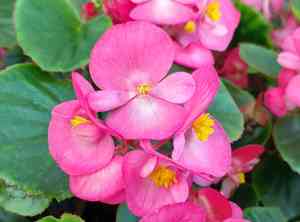
For enhancing your garden's visual appeal, Hardy begonia stands out with its distinct beauty. This adaptable plant is recognized for its heart-shaped leaves and delicate, hanging blossoms. The blend of vibrant green foliage and striking flowers makes it a captivating addition to any garden. Whether aiming for a peaceful shaded area or adding color to a partly sunny spot, Hardy begonia provides an attractive solution. Its capacity to thrive in diverse settings while retaining its charm makes it a favored choice among garden enthusiasts.
The importance of selecting suitable plants for different landscape designs.
Choosing appropriate plants for your landscape design is vital for creating a unified and appealing garden. Each plant species possesses specific needs and traits that can greatly influence the overall look and health of your garden. Hardy begonia, with its robust nature and visual charm, is suitable for various landscape styles, from formal to informal environments. Understanding your garden's particular requirements and selecting plants like Hardy begonia that flourish in those conditions will ensure a harmonious and flourishing landscape.
Incorporating Hardy begonia Into Various Landscape Styles
Matching Hardy begonia with formal garden settings.
Formal gardens are defined by their structured layouts and symmetry. Hardy begonia can be seamlessly integrated into these environments due to its elegant appearance and manageable growth pattern. Position Hardy begonia along pathways or in neatly arranged flower beds to introduce a touch of sophistication. Its ability to thrive in partially shaded areas makes it an ideal choice for underplanting around larger, more prominent plants, creating layers of texture and color. Furthermore, its lush foliage can serve as a beautiful backdrop for more striking, structurally significant specimens.
Utilizing Hardy begonia in casual or cottage-style gardens.
For a more relaxed and natural garden design, Hardy begonia fits perfectly into casual or cottage-style gardens. The informal arrangement of these landscapes allows for a mix of plants with diverse shapes, colors, and heights. Hardy begonia's loose, flowing form and vibrant blooms contribute to the English cottage charm. Plant it alongside other perennials, herbs, and flowering shrubs to create a lively tapestry of colors and textures. The whimsical, free-growing nature of cottage gardens complements the graceful appearance of Hardy begonia, fostering a welcoming and enchanting garden environment.
Creating focal points with Hardy begonia in modern landscapes.
Modern landscapes often emphasize simplicity, clean lines, and minimalism. Hardy begonia can be effectively used to establish focal points in such settings. Its striking foliage and flowers draw the eye, making it an excellent option for planting in clusters or as a solitary specimen in contemporary garden designs. Place Hardy begonia in strategic locations where its bold appearance can be admired from multiple angles. Combining it with sleek hardscape elements like stone or metal can enhance its beauty and provide a contrast that highlights its natural elegance.
Seasonal Considerations for Hardy begonia
Best times of the year for planting Hardy begonia.
Timing is crucial when planting Hardy begonia to ensure its success. The optimal time to plant Hardy begonia is in early spring or fall when the weather is mild. Planting during these seasons allows the plant to establish its root system without the stress of extreme temperatures. Spring planting gives Hardy begonia a head start to grow and bloom throughout the summer, while fall planting allows it to settle in and prepare for vigorous growth the following spring. Avoid planting during the peak of summer or winter to prevent heat or cold stress.
Preparing Hardy begonia for varying weather conditions.
Caring for Hardy begonia through changing seasons involves understanding its needs and providing appropriate protection. In colder climates, consider applying mulch around the base of Hardy begonia to insulate the roots from frost. During hot summer months, ensure the plant is adequately watered but not waterlogged, as Hardy begonia prefers moist, well-drained soil. Providing shade during the hottest part of the day can also help prevent leaf scorch. By anticipating seasonal changes and preparing accordingly, you can keep your Hardy begonia healthy and vibrant year-round.
Complementary Plants for Hardy begonia
Selecting companion plants that thrive alongside Hardy begonia.
Choosing the right companion plants can enhance the beauty and health of Hardy begonia in your garden. Look for plants with similar light and moisture requirements to create a harmonious garden environment. Ferns, hostas, and astilbes are excellent companions due to their preference for shaded conditions and their complementary foliage textures. These plants not only thrive alongside Hardy begonia but also enhance the visual appeal of your garden by adding varied foliage and height differences.
Benefits of companion planting with Hardy begonia.
Companion planting offers numerous benefits for Hardy begonia and your garden overall. By strategically placing complementary plants together, you can improve pest management, enhance growth, and create a more visually appealing landscape. Companion plants can help repel pests that may target Hardy begonia while attracting beneficial insects like pollinators. Additionally, the combined foliage and blooms of companion plants create a fuller, more lush garden appearance, making your landscape more attractive and ecologically balanced.
Maintenance Tips for Hardy begonia in Landscape Settings
Simple strategies to keep Hardy begonia looking its best.
Maintaining Hardy begonia requires regular care and attention to keep it looking its best. Ensure it receives adequate water, especially during dry spells, to keep the soil consistently moist. Regularly removing spent flowers will encourage more blooms and prevent the plant from diverting energy to seed production. Applying a balanced, slow-release fertilizer in the spring can help promote healthy growth. Additionally, cutting back any leggy or damaged stems will keep Hardy begonia looking tidy and encourage a bushier growth habit.
Common challenges and how to overcome them.
Despite its hardy nature, Hardy begonia can face challenges such as pests, diseases, and environmental stress. Common pests like aphids and slugs can be managed through regular monitoring and using natural or chemical treatments as necessary. Fungal diseases can be prevented by ensuring good air circulation around the plants and avoiding overhead watering. If you notice signs of stress, such as yellowing leaves or stunted growth, check soil conditions and adjust watering practices. Addressing these issues promptly will help keep your Hardy begonia healthy and thriving.



