Enhancing Your Garden Design with the Bonsai begonia Plant: A Landscaping Guide
1
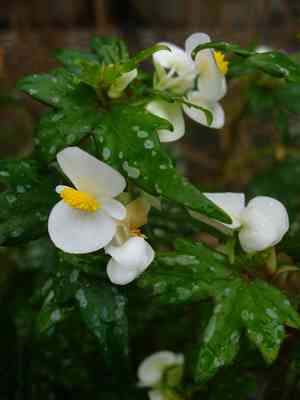
Bonsai begonia flourishes in soil that drains well and receives filtered light.
2
Consistent trimming is essential to preserve the small stature of Bonsai begonia.
3
Pairing Bonsai begonia with plants having varied textures can result in an attractive garden display.
Introducing Bonsai Begonia to Your Landscape
Discovering the beauty of Bonsai begonia
Integrating Bonsai begonia into your garden design allows its distinct charm to bring sophistication and fascination. Its fine, detailed leaves and miniature tree-like shape make it a remarkable addition to any outdoor space. The plant's attractive foliage offers a pleasing contrast to other garden flora, providing a unique texture that captures attention. Whether you're aiming for a peaceful Zen garden or a lively cottage garden, Bonsai begonia can suit various aesthetic preferences.
Bonsai begonia's adaptability in diverse garden styles
A key attribute of Bonsai begonia is its adaptability. It flourishes in numerous garden designs, making it a preferred choice for gardeners. Whether you possess an expansive landscape or a compact yard, Bonsai begonia can integrate seamlessly. It can serve as a focal point in a minimalist setting or be incorporated into mixed borders for a more relaxed feel. This flexibility enables you to experiment with different placements and garden layouts, ensuring Bonsai begonia enhances your landscape's overall design.
Designing Your Garden with Bonsai Begonia
Selecting the optimal spot for Bonsai begonia
When planning to include Bonsai begonia in your garden, choosing the correct location is vital. This plant thrives in areas with partial sun, ideally receiving morning light and protection from intense afternoon rays. If planting in a garden bed, ensure it's not overshadowed by larger plants. Alternatively, Bonsai begonia can be a wonderful addition to shaded garden areas, provided it gets some filtered light throughout the day. Proper placement will help maintain its health and beauty.
Understanding soil and light requirements
For peak growth, Bonsai begonia needs well-draining soil rich in organic matter. Avoid soggy areas, as too much moisture can cause root rot. Improve your soil with compost or peat moss to enhance drainage and nutrient content. Regarding sunlight, Bonsai begonia performs best in partial shade. Excessive direct sun can burn its leaves, while insufficient light can lead to leggy growth. Achieving a balance with dappled sunlight will keep Bonsai begonia flourishing and looking its best.
Designing for visual appeal
To maximize Bonsai begonia's visual impact in your garden, consider its placement and surroundings. Position it where it can be easily seen, such as near a garden path or patio. Grouping Bonsai begonia with plants of varying heights can create a layered effect, adding depth to your garden design. Another effective method is to use Bonsai begonia as a solitary focal point in a container or raised bed, where its distinct form can be fully appreciated. Experiment with different arrangements to find the most visually pleasing setup for your garden.
Pairing Bonsai Begonia with Other Plants
Selecting companion plants that complement Bonsai begonia
When pairing Bonsai begonia with other plants, it's important to choose companions that enhance its beauty without overpowering it. Shade-loving perennials like hostas and ferns are excellent partners, as their lush foliage beautifully contrasts with Bonsai begonia's delicate leaves. Ground covers such as vinca or ajuga can also provide a lovely backdrop, highlighting Bonsai begonia's unique form. Select plants that share similar soil and light needs to ensure a harmonious and thriving garden.
Creating color and texture contrasts
Generating contrasts in color and texture is an effective way to make Bonsai begonia stand out in your garden. Pairing it with flowering plants like impatiens or begonias can add vibrant splashes of color around its base. Additionally, using plants with diverse leaf shapes and textures can provide an engaging visual dynamic. For instance, placing Bonsai begonia next to plants with broad, glossy leaves can emphasize its intricate foliage. Remember, the goal is to balance and contrast, enhancing the overall aesthetic appeal of your garden.
Tips for year-round garden interest
To maintain continuous garden appeal with Bonsai begonia, consider planting a mix of evergreen and seasonal plants. Evergreens offer consistent greenery, ensuring your garden remains lively even in colder months. Seasonal plants can be added to introduce bursts of color and additional textures throughout the year. By planning for different seasons, you can create a dynamic and evolving landscape that keeps your garden visually engaging regardless of the time of year.



