Enhancing Your Garden Design with the Wax begonia Plant: A Landscaping Guide
1
Wax begonia flourishes in both direct sunlight and filtered light, offering flexibility for diverse garden locations.
2
The vibrant hues and varied textures of Wax begonia can enhance numerous garden aesthetics, from traditional to contemporary.
3
Appropriate care for Wax begonia involves consistent irrigation and safeguarding against harsh climatic elements.
Appreciating the Aesthetic Qualities of Wax Begonia
Hue and Texture: Examining the Rich Tones and Leaf Structures
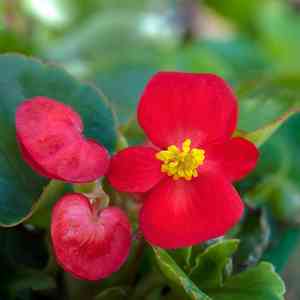
Wax begonia charms gardeners with its vivid colors and intriguing leaf forms. Its blossoms appear in various shades like red, pink, and white, adding a splash of color to any garden design. These warm shades beautifully contrast with the shiny, green foliage, which can sometimes display bronze tones. The waxy, smooth texture of Wax begonia leaves provides a distinct tactile element that complements other plants well.
Growth Habits: How Wax Begonia Expands in Your Garden
Wax begonia exhibits a compact growth habit, making it perfect for garden borders or as a dense ground cover. It forms small mounds, typically reaching 6 to 12 inches in height, which helps control its spread and prevents it from overshadowing other plants. This contained growth allows for easy management and design of your garden layout without concerns of invasiveness.
Design Adaptability: Integrating Wax Begonia with Other Plant Varieties
One of Wax begonia's key strengths is its versatility. It can be seamlessly incorporated into diverse landscaping designs, pairing effectively with numerous other plants. For instance, contrasting Wax begonia with spiky, textured plants such as ornamental grasses or ferns can produce a dynamic visual effect. It's equally effective in containers, hanging baskets, and window boxes, offering vibrant color at various heights and levels in your garden.
Integrating Wax Begonia into Various Garden Styles
Formal Garden Designs with Wax Begonia: An Elegant Touch
Incorporating Wax begonia into formal garden designs can enhance your garden's elegance. Its consistent growth and bright colors are ideal for creating symmetrical patterns and well-defined edges. Utilizing Wax begonia in geometric planting arrangements or as an edging plant helps maintain the clean lines characteristic of formal gardens, adding a structured yet colorful element to these traditional landscapes.
Cottage and Woodland Gardens: Wax Begonia's Contribution
Wax begonia also fits well in the more relaxed and naturalistic settings of cottage and woodland gardens. Its bright flowers and lush foliage can introduce a burst of color amidst the informal structure of these garden types. When planted alongside perennials like hostas and astilbes, Wax begonia contributes to a rich, layered appearance that enhances the garden's green, slightly wild aesthetic.
Contemporary Landscaping Concepts with Wax Begonia
For modern landscaping concepts, Wax begonia provides clean lines and vibrant color accents that align well with minimalist designs. Pairing Wax begonia with sleek, contemporary containers or creating monochromatic plantings in geometric shapes can reflect the simplicity and clarity of modern garden aesthetics. Using Wax begonia around water features or along pathways can also add a bright element, improving the overall visual appeal.
Optimal Strategies for Featuring Wax Begonia in Your Yard
Placement Techniques to Maximize Visual Impact
Maximizing Wax begonia's visual impact in your yard requires careful placement. Grouping Wax begonia in clusters can create a more significant impression, drawing the eye and making the colors stand out. Consider planting Wax begonia near entryways, pathways, and garden focal points to best utilize its vibrant charm. Additionally, ensure Wax begonia is positioned where it receives adequate sunlight, though it can also thrive in partial shade.
Companion Planting: Ideal Partners for Wax Begonia
Companion planting can further enhance Wax begonia's appeal. Plants such as marigolds, impatiens, and coleus blend well with Wax begonia, creating a visually pleasing assortment of textures and colors. Combining Wax begonia with these companions not only adds beauty but also fosters a healthy garden ecosystem by deterring pests and improving growth conditions for all involved plants.
Seasonal Considerations for Continuous Beauty
Maintaining Wax begonia's beauty throughout the year involves understanding its seasonal requirements. While Wax begonia is a tender perennial in warmer climates, it is often grown as an annual in cooler regions. To keep your garden vibrant year-round, consider planting Wax begonia in containers that can be moved indoors during colder months. During the growing season, be diligent with watering and removing spent flowers to encourage continuous blooming.
Maintenance Insights: Ensuring Wax Begonia Thrives in Landscapes
Fundamental Care Guidelines for Wax Begonia
Keeping Wax begonia thriving involves several basic maintenance practices. Consistent watering is crucial to maintain its lush appearance, especially during hot and dry periods. Fertilizing every four to six weeks with a balanced, water-soluble fertilizer can promote healthy growth and abundant blooms. Additionally, removing any dead or yellowing leaves helps prevent disease and keeps your Wax begonia looking its best.
Addressing Common Issues in Growing Wax Begonia
While Wax begonia is relatively low-maintenance, it does face some challenges. Pests like aphids and spider mites can occasionally cause problems, so regular inspections and the use of insecticidal soap or neem oil can keep them in check. Furthermore, Wax begonia may be prone to fungal diseases if overwatered or planted in poorly draining soil. Ensuring proper air circulation and avoiding waterlogged conditions can mitigate these issues.
Long-Term Health and Vitality of Wax Begonia
Sustaining the long-term health and vigor of Wax begonia requires attentive care and periodic evaluations. As your Wax begonia matures, you might need to divide and replant clumps every few years to prevent overcrowding and encourage robust growth. Monitoring soil health by regularly testing and enriching it with organic matter ensures that your Wax begonia has optimal growing conditions. Implementing these practices will help you enjoy the beauty of Wax begonia for many years.



