Enhancing Your Garden Design with the Ponytail palm Plant: A Landscaping Guide
1
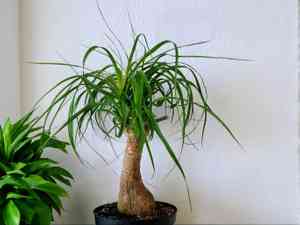
The ponytail palm presents a striking and singular visual charm due to its characteristic shape.
2
The ponytail palm requires very little upkeep, making it an excellent option for those with limited time.
3
Ideal for various environmental conditions, the ponytail palm is both resilient and versatile.
Introducing the Ponytail Palm in Outdoor Design
Why the Ponytail Palm is a favored option for contemporary landscapes
Within modern landscape design, the Ponytail Palm stands out as a preferred choice for many garden enthusiasts. Its distinctive, swollen trunk and flowing leaves create a captivating presence, making it a popular selection for those aiming to add character and depth to their outdoor areas. Furthermore, the Ponytail Palm is highly regarded for its hardiness and versatility, flourishing in diverse conditions.
Overview of the Ponytail Palm's distinctive visual appeal
The aesthetic allure of the Ponytail Palm is undeniable. It showcases a unique look with its enlarged base and long, slender leaves that resemble a flowing ponytail. This plant not only introduces a tropical vibe but also imparts a touch of sophistication to any garden or patio. Its sculptural shape makes it an excellent option for both minimalist and elaborate garden schemes.
Design Concepts Incorporating Ponytail Palm in Outdoor Spaces
Utilizing the Ponytail Palm as a central feature in garden layouts
When integrating the Ponytail Palm into your garden, consider employing it as a focal point. Its striking form naturally draws attention, making it perfect for establishing a central element in your landscape. Position it at the heart of a garden bed or in the middle of a lawn, and encircle it with smaller, complementary plants to emphasize its unique outline.
Pairing the Ponytail Palm with other plants for harmonious visuals
To achieve a balanced and aesthetically pleasing garden, combine the Ponytail Palm with other suitable plants. Its distinct shape complements various succulents, ornamental grasses, and even flowering species. Arrange these companions strategically to either contrast with or enhance the Ponytail Palm's unique texture and color, improving the garden's overall look.
Creative container ideas for Ponytail Palm on patios
For patio areas, placing the Ponytail Palm in pots can add both flair and refinement. Select containers that highlight its form, such as sleek concrete planters or decorative ceramic pots. Position these pots in key locations around your patio to generate visual interest and unity. Experiment with different pot sizes and styles to discover what best suits your outdoor decor.
Advantages of Selecting Ponytail Palm for Your Landscape
Minimal upkeep requirements of the Ponytail Palm
One of the key benefits of the Ponytail Palm is its low maintenance needs. This plant thrives with little care, making it ideal for individuals who may lack time for extensive gardening. It requires infrequent watering and is generally resistant to pests, allowing you to enjoy its beauty without constant attention.
Resilience and adaptability of the Ponytail Palm in various climates
The Ponytail Palm is renowned for its toughness and ability to adapt across different climates. Whether you reside in a hot and arid region or an area with cooler temperatures, the Ponytail Palm can adjust and flourish. Its hardiness makes it a dependable choice for gardeners seeking a robust yet attractive plant.
Practical Advice for Placing Ponytail Palm in Your Garden
Optimal spots for the Ponytail Palm to thrive
To ensure your Ponytail Palm flourishes in your garden, position it in a location with ample sunlight. While it can endure partial shade, it grows best in bright, indirect light. An ideal spot would be an area that receives morning sun and afternoon shade, ensuring it gets sufficient light without being scorched during the hottest part of the day.
Creating striking contrasts with the Ponytail Palm's distinctive shape
The Ponytail Palm offers excellent opportunities for generating dramatic contrasts in your garden. Pair it with low-growing ground covers or plants with softer, more delicate foliage to accentuate its bold structure. Utilizing contrasting plant forms and colors can heighten the visual interest and dynamic appeal of your landscaping.
Commonly Asked Questions
Can the Ponytail Palm be cultivated in colder regions?
The Ponytail Palm is quite versatile and can be grown in colder areas, provided it receives appropriate care. In places where temperatures drop significantly, it's best to cultivate the Ponytail Palm in containers that can be moved indoors during colder months. Ensuring it remains in a frost-free environment will safeguard it from harm.
How often should the Ponytail Palm be watered in an outdoor setting?
In an outdoor setting, the Ponytail Palm requires infrequent watering, making it a convenient option for gardeners. Typically, it should be watered thoroughly every few weeks, depending on the climate and soil conditions. Allow the soil to completely dry out between waterings to prevent root rot and ensure optimal health for your Ponytail Palm.



