Enhancing Your Garden Design with the Sea poison tree Plant: A Landscaping Guide
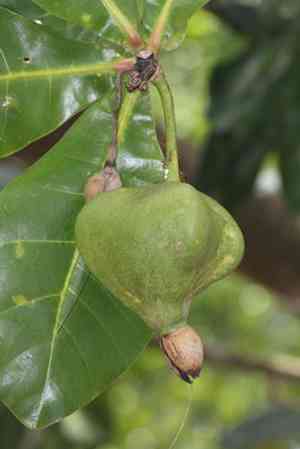
1
The Barringtonia asiatica flourishes in seaside and warm, humid climates.
2
It offers a distinct visual appeal through its expansive foliage and aromatic blossoms.
3
Appropriate positioning and upkeep guarantee its sustained vitality and ecological advantages.
Introducing the Sea Poison Tree in Garden Design
Why select the Sea Poison Tree for your outdoor space?
Opting for the Sea Poison Tree in your garden or yard can infuse a distinct tropical feel into your landscape. With its visually appealing large leaves and fragrant blossoms, it stands out as a significant element that can enhance your outdoor area's aesthetic. It's particularly well-suited for coastal properties, offering an exotic touch that complements the natural surroundings. This plant is not only attractive but also adapts well to tropical climates, making it a relatively easy-care option for garden enthusiasts.
Distinctive landscape attributes of the Sea Poison Tree
The Sea Poison Tree features several unique characteristics that make it an impressive component in landscape architecture. Its broad, glossy leaves create a lush, green backdrop that can either serve as a standalone focal point or complement other plants. The fragrant flowers attract pollinators and provide seasonal visual interest with their striking appearance. Furthermore, the plant's robust structure makes it a reliable choice for creating natural windbreaks or providing shade, improving both the practical and aesthetic aspects of garden planning.
Optimal Placement of Sea Poison Tree in Gardens
Considering light and shade requirements
When planting the Sea Poison Tree, it's vital to consider its light and shade needs for optimal development. It thrives in areas receiving full sun to partial shade, making it versatile for various garden settings. Ensuring adequate sunlight will promote vigorous growth and vibrant blooms. However, planting it in partial shade can shield it from excessive heat and sunburn in extremely hot regions. Therefore, assessing your garden's light conditions and choosing a spot where it receives balanced sunlight throughout the day is crucial.
Factors influencing visual impact
The visual impact of the Sea Poison Tree in a landscape largely depends on its positioning. For maximum aesthetic effect, consider placing it where its large leaves and stunning flowers can be easily admired â near paths, entrances, or as a central feature in your garden design. Its structure also makes it a suitable option for creating natural barriers or defining specific sections of your garden, adding depth and dimension to the overall layout. Careful placement of the Sea Poison Tree will help maximize its beauty and ensure it harmonizes with other elements of your outdoor space.
Design Concepts Featuring the Sea Poison Tree
Creating focal points with the Sea Poison Tree
An effective way to utilize the Sea Poison Tree in your landscape design is by establishing focal points. A focal point captures attention and can set the mood for your entire garden. Position the Sea Poison Tree in a prominent spot where its unique attributes can be highlighted. For instance, planting it in the center of a garden area or at the end of a pathway can draw the eye and create an inviting ambiance. You can also emphasize this focal point by surrounding it with smaller plants that enhance rather than compete with its presence.
Companion plants and design themes
The Sea Poison Tree pairs well with other tropical and coastal plants, creating a lush, unified design theme. Consider planting it alongside other species that flourish in similar conditions, such as palms, ferns, or vibrant flowering plants. This will not only enhance the aesthetic appeal but also foster a harmonious environment where each plant type supports the others' growth requirements. Additionally, integrating the Sea Poison Tree into a coastal-themed design can mimic its natural habitat, further emphasizing the tropical oasis feel of your garden.
Seasonal Care and Maintenance Advice
Managing seasonal transitions
While the Sea Poison Tree is relatively low-maintenance, it requires some attention to manage seasonal changes effectively. Regular irrigation is essential during dry spells to keep the soil moist, but be wary of overwatering, which can lead to root rot. During the rainy season, ensure proper drainage to prevent waterlogging. Pruning can help maintain its form and remove any damaged or diseased parts, especially after strong winds or storms. Applying a balanced fertilizer during the growing season will also support its health and ensure robust growth and flowering.
Long-term health and growth management
For the long-term health and development of the Sea Poison Tree, it's important to establish a consistent care regimen. Regularly inspect for pests and diseases, addressing any issues promptly to prevent their spread. Mulching around the base can help retain moisture and protect the roots during extreme weather conditions. It's also beneficial to periodically adjust the soil composition and pH levels to ensure they remain suitable for the Sea Poison Tree's needs. With thoughtful care and attention, the Sea Poison Tree can thrive and continue to enhance your landscape for many years.
Environmental Impact and Sustainability
Benefits of the Sea Poison Tree for local ecosystems
The Sea Poison Tree offers several environmental advantages that make it a valuable addition to local ecosystems. Its flowers attract various pollinators, including bees and butterflies, supporting biodiversity and promoting healthy plant reproduction. The dense foliage provides habitat and shelter for small wildlife and birds, contributing to a balanced ecosystem. Moreover, the Sea Poison Tree can help stabilize soil, particularly in coastal areas, reducing erosion and protecting the surrounding environment. By incorporating the Sea Poison Tree into your garden, you actively contribute to the health and stability of your local ecosystem.
Contributing to biodiversity with the Sea Poison Tree
Planting the Sea Poison Tree plays a significant role in enhancing biodiversity. By introducing a unique plant species into your garden, you diversify the types of flora available, supporting a wider variety of insects and wildlife. This addition creates a mini-ecosystem, encouraging a range of species to coexist and flourish. Biodiverse gardens are more resilient to pests and diseases, as the variety of plants can support different types of beneficial insects and natural predators. Including the Sea Poison Tree in your landscaping efforts not only beautifies your space but also fosters a healthier, more vibrant environment.



