Enhancing Your Garden Design with the Burmese grape Plant: A Landscaping Guide
1
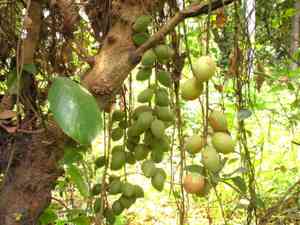
Burmese grape provides a distinct visual charm through its abundant leaves and colorful produce.
2
Proper placement of Burmese grape within your garden can greatly boost its attractiveness.
3
Consistent care for Burmese grape guarantees its sustained vitality and aesthetic value.
Introducing Burmese Grape in Garden Design
Overview of Burmese grape's visual appeal
Burmese grape is a visually striking plant, recognized for its dense, vibrant foliage and clusters of colorful fruits. Its leaves offer a rich green backdrop, while the fruits, ripening from yellow to orange, inject vivid color into any garden. This unique combination makes Burmese grape an excellent choice for creating focal points or enhancing existing garden features. Its aesthetic appeal lies in its ability to evoke a tropical atmosphere, transforming an ordinary garden into an exotic haven.
Advantages of incorporating Burmese grape into landscape plans
Integrating Burmese grape into your garden provides several benefits. Firstly, it offers seasonal interest, with its fruits and lush leaves changing throughout the year. Secondly, Burmese grape can serve as a habitat for beneficial insects and birds, fostering biodiversity in your garden. Furthermore, the plant's robust nature allows it to thrive in various soil types and conditions, making it a versatile addition to your landscape. Finally, Burmese grape's distinctive appearance can be utilized to create visual interest in garden borders, pathways, or as standalone specimens.
Optimal Placement of Burmese Grape in Your Garden
Evaluating garden space and light conditions
Before planting Burmese grape, it's essential to assess your garden's space and light conditions. This plant flourishes in areas with full sun to partial shade, so select a location that receives ample sunlight throughout the day. Additionally, consider the plant's growth habit and mature size when choosing a spot, as it requires room to spread. Avoid overcrowding by providing sufficient distance from other plants, ensuring healthy growth and optimal fruit production. Proper garden planning will result in a visually pleasing and well-balanced landscape.
Selecting locations that enhance garden aesthetics
The placement of Burmese grape should complement your garden's existing aesthetics. For instance, if your garden features a tropical design, Burmese grape can be positioned near palm trees or bamboo to reinforce the theme. Alternatively, if you have a more traditional or formal garden, consider using Burmese grape as a contrasting element to add a touch of exotic charm. Additionally, planting Burmese grape near garden pathways or as borders can create a scenic route through your garden, drawing visitors' eyes to its stunning foliage and fruits.
Pairing Burmese Grape With Other Plants
Ideal companion plants for Burmese grape
When selecting companion plants for Burmese grape, choose those that thrive in similar conditions and complement its appearance. Plants like ginger lilies, hostas, and ferns are excellent choices, as they share similar light and soil preferences, and their foliage beautifully contrasts with Burmese grape's texture. Additionally, flowering shrubs such as hibiscus or azaleas can add layers of color and height variation, enhancing the garden's overall visual appeal. The right companion plants can create a harmonious and balanced landscape.
Design principles for plant grouping
Grouping plants in a garden requires a balance of textures, colors, and heights. Employ the design principle of 'thrillers, fillers, and spillers' to create visually appealing plant combinations. As a 'thriller', Burmese grape can stand tall in the background, with mid-sized 'fillers' like ornamental grasses or medium shrubs providing a middle layer. 'Spillers', such as trailing vines, can cascade around the base. This approach ensures each plant is effectively showcased while contributing to the overall cohesion and dynamism of the garden design.
Seasonal Considerations for Burmese Grape
Understanding the blooming cycle of Burmese grape
Burmese grape follows a seasonal blooming cycle, typically flowering in specific months depending on your climate zone. It's crucial to understand this cycle to plan for continuous visual interest. For example, if Burmese grape blooms in spring, complement it with summer-flowering plants to ensure your garden remains vibrant throughout the warmer months. The foliage of Burmese grape can also provide year-round greenery, even when the plant is not in bloom, maintaining the garden's aesthetic appeal in different seasons.
Adjustments for various seasons
Each season necessitates specific care adjustments for Burmese grape. In spring, focus on pruning and removing dead wood to encourage new growth. Summer may require more frequent watering and mulching to retain soil moisture. As autumn approaches, reduce watering and begin preparing the plant for cooler weather. In winter, protect Burmese grape from frost by covering it or moving it indoors if potted. By making these seasonal adjustments, you ensure that Burmese grape remains healthy and continues to enhance your garden throughout the year.
Maintenance Tips for Healthy Burmese Grape
Regular care routines for optimal growth
Maintaining Burmese grape involves routine care practices such as consistent watering, timely pruning, and proper fertilization. Water the plant regularly, especially during dry periods, to keep the soil moist but not waterlogged. Prune the plant annually to remove dead or diseased branches and shape it for better growth. Applying a balanced fertilizer in spring and summer provides the necessary nutrients for lush foliage and fruit production. Consistent care routines will ensure that Burmese grape thrives and remains a highlight in your garden.
Preventing common diseases in Burmese grape
Like all plants, Burmese grape is susceptible to certain diseases and pests. Regular inspection is key to early detection and prevention. Common issues include fungal infections, which can be mitigated by ensuring good air circulation and avoiding overhead watering. Pests like aphids or caterpillars can be managed with natural predators or organic insecticides. Keeping the area around Burmese grape clean and free of fallen debris also helps prevent disease. By staying vigilant and proactive, you can maintain the health and beauty of Burmese grape in your garden.



