Enhancing Your Garden Design with the Japanese laurel Plant: A Landscaping Guide
1
Aucuba japonica is a adaptable and attractive plant suitable for any garden setting.
2
Correct positioning and maintenance guarantee Aucuba japonica flourishes throughout different times of the year.
3
Aucuba japonica offers imaginative possibilities to enhance landscaping designs.
Introducing Japanese Laurel in Garden Design
Understanding the visual appeal of Japanese laurel
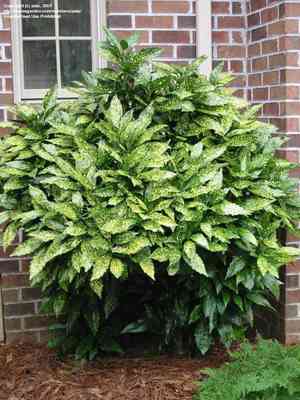
The aesthetic charm of Japanese laurel is undeniable, making it a preferred choice among garden enthusiasts. With its glossy, vibrant foliage and clusters of red berries, Japanese laurel brings a touch of sophistication and color to any garden area. Its evergreen nature guarantees year-round visual interest, brightening even the dreariest winter days.
Roles of Japanese laurel in outdoor environments
Beyond its visual charm, Japanese laurel serves multiple functions in outdoor spaces. It can function as a natural privacy screen when strategically placed, shielding outdoor living areas from curious glances. Furthermore, its dense leaves make it an excellent windbreak, safeguarding other plants and garden features from strong winds. Japanese laurel is also a superb option for adding texture and depth to a garden, breaking the uniformity of predominantly green landscapes with its distinct coloration.
Design Advice: Incorporating Japanese Laurel into Your Garden
Choosing the optimal location for Japanese laurel
Selecting the perfect spot for Japanese laurel in your garden is vital for its development and aesthetic impact. It flourishes in shaded to partially shaded areas, making it ideal for locations where other plants might struggle. Ensure the soil is well-draining and rich in organic matter. Positioning Japanese laurel in a prominent spot where its bright leaves can draw attention will make it a standout feature in your garden.
Companion plants for Japanese laurel
To enhance the beauty of Japanese laurel, consider pairing it with complementary plants. Ferns, hostas, and heucheras are excellent choices as they thrive in similar conditions and offer contrasting textures and colors. Annuals like impatiens and begonias can add seasonal bursts of color, while ornamental grasses can introduce movement and additional texture to the garden.
Utilizing Japanese laurel as a focal point
One of the most effective ways to employ Japanese laurel in landscaping is as a focal point. Its striking appearance can attract attention and anchor the design of a garden space. Plant Japanese laurel in a central position, such as the middle of a flower bed or at the end of a path, to create a strong visual endpoint. Pair it with understated plants that allow Japanese laurel to shine without overwhelming the design.
Seasonal Considerations for Japanese Laurel
Best times for planting Japanese laurel
The ideal times to plant Japanese laurel are during spring and fall when temperatures are moderate, allowing the plant to establish roots before the extreme weather conditions of summer or winter. Planting during these seasons ensures that Japanese laurel has the best chance of thriving and adapting to its new environment.
Seasonal care recommendations for Japanese laurel
Seasonal care is crucial for maintaining the health and beauty of Japanese laurel. In spring, apply a balanced, slow-release fertilizer to support new growth. During summer, ensure consistent watering, especially during dry spells. In fall, prune any dead or damaged branches to encourage healthy growth. Lastly, protect Japanese laurel from winter chill by mulching around the base and providing wind protection if necessary.
Creative Applications of Japanese Laurel in Landscaping Projects
Innovative planting concepts with Japanese laurel
Beyond traditional garden beds, Japanese laurel can be used creatively in various landscaping projects. Consider planting Japanese laurel in containers to add height and interest to patios and terraces. Create a living wall by planting Japanese laurel in vertical planters, providing a green backdrop for outdoor living spaces. Additionally, Japanese laurel can be trained as a hedge, offering a low-maintenance alternative to traditional fencing.
Examples of successful landscapes featuring Japanese laurel
Numerous landscapes successfully incorporate Japanese laurel to stunning effect. In one urban garden, Japanese laurel was used to create a secluded seating area, providing both privacy and a verdant backdrop. In another example, Japanese laurel was planted along a pathway, its colorful leaves guiding visitors through the garden. These successful applications highlight the versatility and impact of Japanese laurel in various garden settings.



