Enhancing Your Garden Design with the Butterfly weed Plant: A Landscaping Guide
1
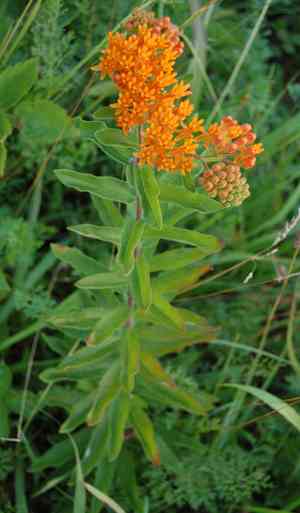
Asclepias tuberosa is celebrated for its bright orange flowers that draw in butterflies and various pollinators.
2
Thoughtfully positioning Butterfly weed in your outdoor space can establish striking visual centers.
3
Butterfly weed complements other vivid, indigenous flora to form an attractive garden design.
Introducing Butterfly Weed in Garden Design
Overview of Butterfly weed's importance in outdoor environments
For adding a touch of vibrancy and life to your outdoor areas, Butterfly weed stands out as an exceptional option. Known for its striking orange blossoms, Butterfly weed is not only visually appealing but also plays a vital role in supporting local fauna. By incorporating Butterfly weed into your garden, you can foster a lively habitat that draws in butterflies and other pollinators, contributing to a healthier ecosystem.
The aesthetic value of Butterfly weed in landscape architecture
Butterfly weed offers more than just ecological advantages; its visual charm can transform any garden. The plant's bright and bold flowers provide a burst of color that can contrast with greenery or complement other floral shades. Whether you are aiming for a wildflower meadow theme or a meticulously arranged formal garden, Butterfly weed's unique allure can enhance the visual appeal and make your landscape more inviting.
Strategic Placement of Butterfly Weed for Optimal Impact
Tips for selecting ideal locations for Butterfly weed in your garden
Positioning Butterfly weed in the perfect spot requires some thoughtful planning. To begin, choose areas with ample sun exposure, as Butterfly weed flourishes best in sunny conditions. Furthermore, consider soil quality, as well-drained soil ensures optimal growth. Placing Butterfly weed near entrances, garden borders, or around patios can highlight these zones and naturally draw attention.
Utilizing Butterfly weed to create focal points in your landscape
Establishing focal points with Butterfly weed can significantly improve the visual arrangement of your garden. A grouping of Butterfly weed plants in a central position can serve as a visual anchor, around which other plants and garden features are arranged. You can also space the plants along pathways to create a guiding line of vivid blooms that directs the eye and encourages exploration.
Pairing Butterfly Weed with Other Plants
Optimal companion plants for Butterfly weed in mixed beds
Combining Butterfly weed with other plants can create a beautiful, unified look in your garden. Native grasses, aster varieties, and purple coneflowers are excellent companions that can complement Butterfly weed. These plants not only share similar growing requirements but also accentuate the vibrant orange of Butterfly weed through contrasting colors and textures.
Discussing color and texture contrasts with Butterfly weed
The vivid orange of Butterfly weed pairs wonderfully with blues, purples, and whites, creating captivating color contrasts. Additionally, combining Butterfly weed with plants that possess different textures, such as delicate grasses or broad-leafed perennials, can add depth and visual interest. These contrasts emphasize the distinct characteristics of each plant while fostering a balanced and harmonious appearance.
Seasonal Considerations for Butterfly Weed
Optimal times of the year to plant Butterfly weed
Timing is crucial when planting Butterfly weed. The best time to plant Butterfly weed is in the spring or early autumn when temperatures are moderate and conditions are favorable for root establishment. Planting during these periods ensures that Butterfly weed has sufficient time to settle in before the peak growing season or the onset of colder weather.
How Butterfly weed adapts to various seasonal conditions
Butterfly weed is a resilient plant that can adjust well to differing seasonal conditions. During its active growth period, it thrives in full sun and requires minimal watering once established. In winter, Butterfly weed enters dormancy, enduring harsh conditions until spring arrives. Its capacity to withstand diverse weather patterns makes it a dependable and low-maintenance option for gardeners across various climates.
FAQ: Frequently Asked Questions
What are the main advantages of incorporating Butterfly weed into landscaping?
Butterfly weed offers numerous benefits, from its striking visual appeal to its role in supporting local wildlife. Its bright flowers attract a variety of pollinators, helping to maintain ecological balance. Furthermore, Butterfly weed is drought-tolerant and low-maintenance, making it an ideal choice for sustainable gardening practices.
How does Butterfly weed contribute to the local ecosystem?
Butterfly weed is a powerhouse when it comes to ecosystem contributions. It provides an essential habitat and nectar source for butterflies, bees, and other pollinators, promoting biodiversity. By supporting these pollinators, Butterfly weed indirectly aids in the pollination of other plants, making it a critical component of a thriving and diverse garden.



