Enhancing Your Garden Design with the Purple milkweed Plant: A Landscaping Guide
1
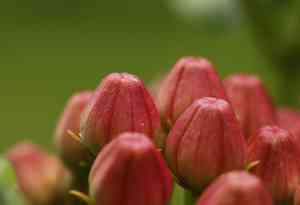
Purple milkweed provides a captivating visual experience due to its vivid hues and distinct form.
2
Incorporating Purple milkweed into your garden fosters environmental advantages, such as aiding native fauna.
3
Appropriate seasonal maintenance is crucial for preserving the vitality and attractiveness of Purple milkweed across all seasons.
Introducing Purple Milkweed to Your Landscape
Appreciating the visual charm of Purple Milkweed
With its vivid purple blossoms and distinct form, Purple Milkweed naturally stands out in any garden. This plant introduces a burst of color, acting as a striking centerpiece or a harmonious addition to other flora. Gardeners value its graceful look and its ability to enhance the beauty of their outdoor areas. Moreover, Purple Milkweed's varied textures and heights offer depth and interest, making it perfect for creating visually engaging garden layouts.
The ecological advantages of adding Purple Milkweed to your garden
Beyond its aesthetic appeal, Purple Milkweed provides numerous ecological benefits. It acts as a vital food source for pollinators like butterflies, bees, and other beneficial insects. This not only supports local wildlife but also boosts plant pollination, leading to more robust and productive gardens. Furthermore, Purple Milkweed contributes to your garden's ecological stability by fostering a diverse and resilient plant community.
Optimal Placement of Purple Milkweed in Garden Designs
Assessing light and soil requirements
Purple Milkweed flourishes best in well-drained soil rich in organic matter. While it can endure partial shade, it ideally prefers full sun, which encourages stronger growth and more vibrant flowers. Therefore, when planning your garden, select a spot that receives ample sunlight throughout the day and ensure the soil is fertile and loamy, avoiding areas prone to waterlogging to prevent root rot and other moisture-related issues.
Strategies for visual impact and accessibility
To maximize Purple Milkweed's visual impact, consider placing it in prominent spots where its beauty can be fully admired. This could be along garden paths, at the entrance of flower beds, or as a central feature in larger landscape designs. Additionally, ensure these locations are easily reachable for routine care and upkeep. Grouping Purple Milkweed in clusters can also amplify its visual presence and create a more dramatic effect.
Companion Plants for Purple Milkweed
Selecting plants that complement Purple Milkweed in color and structure
Pair Purple Milkweed with plants that both contrast and blend with its vivid purple tones. White, yellow, and blue flowers make excellent companions, creating a striking color scheme. Additionally, consider plants with varying heights and textures to complement Purple Milkweed's form. Ferns, grasses, and other perennials can provide a lush backdrop that highlights Purple Milkweed's unique beauty.
Advantages of biodiversity and pest management
Incorporating a diverse range of plants alongside Purple Milkweed in your garden offers several benefits. Biodiversity promotes a healthy ecosystem, reducing the incidence of pests and diseases. Many of Purple Milkweed's companion plants can naturally deter pests, minimizing the need for chemical interventions. A diverse garden also supports various pollinators and beneficial insects, contributing to the overall health and resilience of your garden landscape.
Seasonal Care Tips for Purple Milkweed in Your Landscape
Spring and summer care: Fostering growth and bloom
During spring and summer, focus on encouraging robust growth and abundant blooms for Purple Milkweed. Consistent watering and mulching help retain soil moisture and keep roots cool. It's also crucial to remove weeds that compete for nutrients. Removing spent flowers will promote continuous blooming throughout the season. Fertilize sparingly; excessive nitrogen can prioritize leaf growth over flowers.
Autumn and winter strategies: Preparing Purple Milkweed for dormancy
As autumn approaches, it's time to ready Purple Milkweed for its dormant period. Gradually reduce watering and allow the plant to develop seed pods if desired. Trim back dead or damaged foliage to maintain a neat appearance. A layer of mulch can shield the roots from frost and temperature fluctuations over winter. By taking these steps, you help ensure Purple Milkweed returns strong and healthy in the spring.
Design Concepts Featuring Purple Milkweed
Creating focal points with Purple Milkweed
Purple Milkweed can serve as a captivating focal point in garden designs. Plant it in standalone groupings or mixed with other bold perennials to create a dramatic feature that draws the eye. Its tall, striking blooms make it particularly effective in the center of garden beds or as an anchor in mixed borders. Designing your garden around Purple Milkweed can result in a cohesive and visually appealing landscape.
Integrating Purple Milkweed into small spaces and container gardens
Don't let limited space prevent you from enjoying Purple Milkweed's beauty. It can thrive in container gardens, making it an ideal choice for patios, balconies, or small urban areas. Select a large pot with good drainage and fill it with nutrient-rich soil. Position the container where it will receive ample sunlight. This adaptable plant will not only enhance small spaces with its vibrant blooms but also bring the joys of gardening to even the most compact areas.



