Enhancing Your Garden Design with the Giant reed Plant: A Landscaping Guide
1
Arundo donax serves as an excellent natural barrier for privacy.
2
Arundo donax aids in preventing soil erosion within garden settings.
3
Integrating Arundo donax into aquatic displays enhances their visual charm.
Introducing Giant Reed in Landscape Design
Understanding Giant Reed's Distinctive Qualities
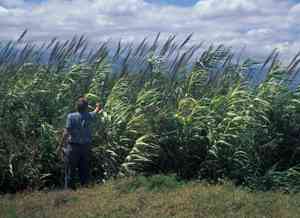
Giant reed is a versatile plant recognized for its robust and rapid growth. It features tall, bamboo-like stalks and long, lush leaves, making it a striking addition to any garden. Its capacity to flourish in diverse conditions, from moist soils to arid regions, allows for its effective use in a wide array of landscape designs. The plant's height and density can form impressive backdrops and dividers in gardens, contributing to its increasing popularity among landscape architects and gardening enthusiasts.
The Rise of Giant Reed in Contemporary Landscaping
In recent years, Giant reed has experienced a surge in popularity within the landscaping community. Its aesthetic appeal, coupled with its practical advantages, has made it a preferred choice for both residential and commercial landscapes. The plant's architectural form offers a modern and elegant look, which aligns well with current garden designs. Its ability to withstand varied climatic conditions makes it a dependable option for landscapers aiming to integrate sustainable and resilient elements into their projects.
Visual Impact of Giant Reed in Garden Layouts
Crafting Striking Visual Contrasts
Giant reed can be utilized to create dramatic visual contrasts in garden designs, thanks to its tall, slender stems and vibrant green foliage. When planted alongside shorter, more delicate plants, Giant reed can add height and structure, drawing the eye upward and creating a layered effect. This contrast can make garden spaces feel more dynamic and visually engaging, enhancing the overall aesthetic appeal.
Integrating Giant Reed for Seasonal Color Shifts
Another appealing aspect of Giant reed is its capacity for seasonal color changes. In warmer months, its vivid green foliage adds a fresh and lively touch to gardens. As temperatures decrease, the plant may adopt more subdued tones, offering a different but equally attractive appearance. This seasonal variation can make gardens feel ever-changing and dynamic, capturing interest throughout the year.
Practical Advantages of Cultivating Giant Reed
Erosion Control with Giant Reed
One of the significant benefits of planting Giant reed is its ability to control erosion. Its extensive root system helps to stabilize soil, making it particularly useful on slopes and in areas prone to soil erosion. By strategically planting Giant reed, gardeners can safeguard their landscapes from the damaging effects of erosion, ensuring a healthier and more sustainable garden environment.
Utilizing Giant Reed as a Natural Privacy Screen
Giant reed can serve as an excellent natural privacy screen, thanks to its tall and dense growth habit. When planted in rows or clusters, it can form an effective barrier that blocks unwanted views and provides a sense of seclusion. This makes it an ideal choice for creating private outdoor spaces, such as around patios, pools, or property boundaries.
Benefits of Low Maintenance
Another practical advantage of Giant reed is its minimal maintenance requirements. Once established, it needs little watering and care, making it a convenient option for busy gardeners or those seeking to reduce their garden upkeep. Its resilience to pests and diseases also means it can thrive with minimal intervention, contributing to a more worry-free gardening experience.
Innovative Applications of Giant Reed in Landscape Features
Incorporating Giant Reed in Water Features
Integrating Giant reed into water features can bring a unique and natural aesthetic to garden landscapes. Its ability to thrive in wet conditions makes it suitable for planting around ponds, streams, and fountains. The tall, elegant stems can mirror the movement of water, creating a harmonious and tranquil environment. Additionally, the reflection of Giant reed in water can amplify the visual impact, enhancing the overall beauty of the water feature.
Creative Uses for Giant Reed in Outdoor Living Spaces
Giant reed can be creatively employed in various outdoor living areas to enhance their functionality and appeal. For example, its dense foliage can be used to create natural windbreaks around seating areas, providing a more comfortable and sheltered space. It can also be incorporated into pergolas or used to frame garden entrances, adding a touch of elegance and sophistication to outdoor living spaces.
Eco-Friendly Landscaping with Giant Reed
Contribution to Local Ecosystems
Giant reed plays a valuable role in supporting local ecosystems. Its dense growth provides habitat and shelter for various wildlife, including birds and insects. By planting Giant reed, gardeners can contribute to biodiversity and create environments that support local flora and fauna. Its ability to improve soil stability and reduce erosion also benefits the surrounding ecosystem by maintaining healthier soil conditions.
Sustainable Gardening Practices with Giant Reed
Giant reed aligns well with sustainable gardening practices. Its low water requirements and minimal need for chemical interventions make it an eco-friendly choice for gardeners looking to reduce their environmental impact. Additionally, Giant reed can be propagated through division, allowing gardeners to expand their plantings without purchasing new plants, further supporting sustainable and cost-effective gardening practices.



