Enhancing Your Garden Design with the Goat's beard Plant: A Landscaping Guide
1
Goat's beard flourishes in areas with partial shade, making it a superb option for gardens with a woodland theme.
2
The plant's distinctive feathery flower spikes provide texture and aesthetic appeal to any outdoor space.
3
Goat's beard not only enhances your garden's beauty but also aids local fauna and boosts ecological variety.
Introducing Goat's beard in Garden Design
Overview of how Goat's beard enhances garden aesthetics
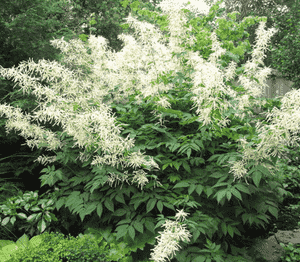
Goat's beard makes a wonderful garden addition, offering unique visual appeal with its tall, feathery plumes and lush foliage. These features create a dynamic visual landscape, adding texture and height to planting schemes. When in bloom, Goat's beard becomes a striking focal point, drawing the eye and improving the garden's overall look. Its delicate flowers bring a soft, whimsical touch to designs, making it an excellent choice for adding charm and elegance to outdoor spaces.
Advantages of incorporating Goat's beard into landscape plans
Beyond its visual appeal, Goat's beard offers several practical benefits. As a perennial, it returns annually, providing lasting beauty without replanting. It's also relatively low-maintenance once established, ideal for gardeners seeking a beautiful landscape without extensive upkeep. Furthermore, Goat's beard thrives in various conditions, including shaded areas where many plants struggle, offering planting versatility. This adaptability makes it a valuable addition to diverse landscape designs.
Selecting the Ideal Location for Goat's beard
Evaluating sunlight and shade for optimal development
Goat's beard prefers partial to full shade, flourishing in spots with dappled sunlight or morning sun followed by afternoon shade. If your garden has areas too shaded for other plants, Goat's beard can be an excellent solution. It's crucial to monitor these locations to ensure they provide the right amount of indirect sunlight, vital for Goat's beard's best growth. Avoid placing it in full sun, as this can cause leaf burn and hinder its development.
Understanding soil requirements for Goat's beard
Goat's beard thrives in rich, moist, well-draining soil. Its roots need consistent moisture to establish and grow healthily, so the planting site must retain moisture without becoming waterlogged. Adding organic matter or compost can boost soil fertility and water-holding capacity, creating an ideal environment. Testing soil pH is also beneficial; Goat's beard performs best in slightly acidic to neutral conditions.
Pairing Goat's beard with Other Plants
Companion plants that flourish alongside Goat's beard
To maximize Goat's beard's aesthetic impact, consider pairing it with plants that thrive in similar conditions. Ferns, hostas, and astilbes are excellent companions due to their preference for shaded, moist environments. These plants also contrast beautifully with Goat's beard, creating a harmonious yet diverse planting scheme. By combining different textures and foliage types, you can create a visually rich, layered garden that maintains interest throughout the growing season.
Design strategies for creating visually appealing plant groupings
When designing with Goat's beard, consider how to create depth and cohesion in your garden. Plant Goat's beard in groups of three or more for a more significant visual impact. Vary the height and spread of companion plants to create a natural flow and movement within the garden. Place taller plants like Goat's beard at the back of borders or in the center of island beds, surrounded by medium-height and shorter plants. This ensures all plants are visible and contribute to an overall balanced design.
Maintaining the Beauty of Goat's beard
Seasonal considerations for Goat's beard care
To keep Goat's beard looking its best, understanding its seasonal needs is important. In spring, apply a mulch layer to retain moisture and suppress weeds. During summer, consistent watering is crucial, especially in dry periods. In autumn, cutting back spent flower stalks helps maintain a tidy appearance and encourages healthy growth next season. In winter, adding a mulch layer can protect roots from frost and extreme temperatures.
Practical advice for long-term upkeep
Goat's beard requires relatively low maintenance, but a few practices ensure its long-term health and beauty. Regularly check for pests and diseases, though Goat's beard is generally resistant to most common garden issues. Fertilizing in early spring with a balanced slow-release fertilizer can promote vigorous growth. Dividing clumps every few years helps rejuvenate the plant and prevent overcrowding, ensuring Goat's beard continues to thrive and maintain its place in your landscape design.
Impacts of Goat's beard on Biodiversity and Ecosystem
Contribution of Goat's beard to local wildlife
Goat's beard plays a valuable role in supporting local wildlife. Its flowers attract various pollinators, including bees, butterflies, and other beneficial insects, essential for ecosystem health. The plant also provides shelter and habitat for small garden creatures, contributing to a balanced and thriving garden environment. By incorporating Goat's beard into your landscape, you're not only enhancing its beauty but also supporting local biodiversity.
Enhancing ecosystem balance with Goat's beard
Integrating Goat's beard into your garden design can help create a more balanced and resilient ecosystem. Its presence promotes healthy soil and encourages a natural habitat for diverse flora and fauna. This balance aids in pest control, as varied plant life attracts natural predators that keep harmful insects in check. Additionally, Goat's beard's deep roots improve soil structure and prevent erosion, contributing to your garden environment's overall health.



