Enhancing Your Garden Design with the Italian arum Plant: A Landscaping Guide
1
Italian arum provides continuous appeal through its lively leaves and distinct flower structures.
2
Italian arum requires minimal upkeep, making it an excellent option for both new and seasoned gardeners.
3
Incorporating Italian arum alongside suitable companion plants can result in striking garden arrangements.
Introducing Italian arum into Your Landscape Design
Identifying prime planting spots for Italian arum
Selecting the correct location for Italian arum is vital for its prosperity in your garden. Italian arum flourishes in partial to full shade, making it an excellent option for areas beneath trees or alongside shaded pathways. It favors well-drained, fertile soil, so avoid locations that remain waterlogged after rainfall. Additionally, consider the plant's mature dimensions, typically 12 to 18 inches, and ensure it has ample room to expand without encroaching on other plants.
Understanding the life cycle of Italian arum
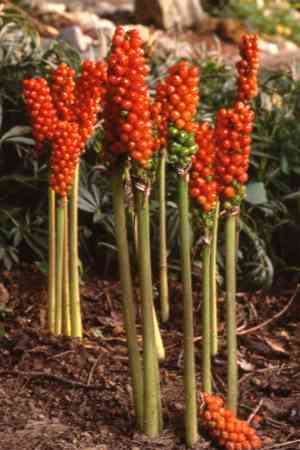
Italian arum exhibits a captivating growth pattern that adds year-round visual appeal to your garden. The plant emerges in autumn with striking, variegated leaves that persist through winter. In spring, it produces distinctive, cream-colored spathes, followed by vivid red berries in summer, which can last into early fall. By comprehending this cycle, you can arrange your garden to ensure there's always something intriguing to observe.
Designing with hue and texture in mind
When integrating Italian arum into your garden scheme, consider its prominent foliage and seasonal color shifts. The plant's mottled and patterned leaves can offer a beautiful contrast against plain green vegetation. Utilize Italian arum to introduce depth and texture to your garden beds, borders, or shaded corners. Pairing it with plants that possess different leaf textures or complementary colors can forge visually pleasing combinations that enhance your outdoor space.
Advantages of Incorporating Italian arum in Your Yard
Year-round visual appeal provided by Italian arum
Italian arum offers continuous garden charm. Its bold foliage appears in autumn and remains evergreen through winter, adding color when most plants are dormant. In spring, the plant's blooms contribute a subtle, yet intriguing element. The bright red berries that succeed the flowers endure through summer, ensuring your garden stays vibrant and engaging across all seasons.
Low-maintenance benefits
One of the primary advantages of Italian arum is its minimal care requirements. Once established, it needs very little attention. It is relatively drought-tolerant and can thrive without frequent watering. Furthermore, Italian arum is not particular about soil types, provided it's well-draining, and is generally free from significant pest issues. These traits make it an ideal choice for gardeners seeking a beautiful yet easy-to-manage plant.
Boosting biodiversity with Italian arum
Adding Italian arum to your garden can help boost local biodiversity. Its flowers attract various pollinators in the spring, while the berries can provide sustenance for birds and other wildlife during the summer. By cultivating Italian arum, you're supporting a range of garden visitors, contributing to a healthier and more dynamic ecosystem.
Companion Plants and Design Concepts with Italian arum
Selecting suitable companion plants for Italian arum
When choosing companion plants for Italian arum, seek out species that flourish in similar conditions. Shade-loving plants such as hostas, ferns, and heucheras make excellent partners. These plants not only appreciate the same growing environment but also offer a variety of textures and colors that complement Italian arum's distinctive foliage. This pairing can create a lush and diverse planting arrangement in shaded areas of your garden.
Establishing focal points using Italian arum
Italian arum can be employed to create striking focal points in your garden design. Planting it in prominent locations such as the entrance of a garden path, around patios, or near seating areas can draw attention and add interest. Its evergreen foliage and seasonal berries make it a year-round highlight that captures the eye and enhances the aesthetic appeal of your outdoor spaces.
Integrating elements of contrast
Incorporating contrasting elements can make your garden design more dynamic and visually appealing. Use Italian arum's bold, variegated leaves to contrast with plants that have finer foliage or solid colors. Combining Italian arum with delicate flowering plants or grasses can emphasize its unique features and create a balanced, harmonious look that showcases the beauty of contrasting textures and forms.
Common Issues and Solutions When Cultivating Italian arum
Managing typical pests and diseases
Although Italian arum is generally pest-resistant, it can occasionally be affected by slugs, snails, and aphids. Regularly inspecting the plants and employing appropriate control methods such as organic slug pellets or insecticidal soaps can help manage these problems. Additionally, ensuring good air circulation and avoiding waterlogged conditions can prevent fungal infections.
Controlling the spread of Italian arum
Italian arum can spread vigorously in optimal conditions, potentially leading to it dominating garden spaces. To manage its spread, consider planting it in a confined area or utilizing root barriers. Regularly removing seed heads before they mature and self-seed can also help control its growth and maintain the desired form and size.
Soil and light requirements for optimal development
Ensuring Italian arum has the correct growing conditions is crucial for its health and vitality. It prefers rich, well-draining soil and thrives in partial to full shade. Monitoring soil moisture and avoiding excessively wet areas can prevent root rot, while mulching can help retain moisture and regulate soil temperature. Providing these conditions will ensure Italian arum flourishes and enhances your garden.
Seasonal Care Advice for Italian arum
Spring and summer care essentials
In spring and summer, focus on watering Italian arum appropriately, especially during dry periods. Applying a balanced fertilizer can support robust growth and flowering. Regularly check for pests and ensure the plant has adequate space to grow without competition from weeds. Pruning any dead or damaged leaves will keep it looking its best.
Preparing Italian arum for colder periods
In autumn, as Italian arum begins to produce new foliage, reduce watering and cease feeding. Since the plant is hardy and evergreen, it generally requires little additional protection. However, applying a light layer of mulch can help protect the roots in extremely cold winters. This seasonal adjustment ensures that Italian arum remains healthy and ready to thrive in the upcoming growing seasons.
Pruning and tidying strategies
Pruning Italian arum primarily involves removing spent flowers and any dead or damaged foliage. This not only keeps the plant looking neat but also prevents potential disease issues. Cleanup in late autumn focuses on clearing fallen leaves and debris around the plant base to maintain good air circulation and reduce the risk of fungal problems.



