Enhancing Your Garden Design with the Chinese mugwort Plant: A Landscaping Guide
1
Chinese mugwort provides a distinct visual charm that can enhance your garden's beauty.
2
Selecting an appropriate spot guarantees Chinese mugwort flourishes splendidly in your outdoor space.
3
Consistent upkeep maintains Chinese mugwort's optimal appearance all year long.
Introducing Chinese Mugwort in Garden Design
Overview of Chinese mugwort's aesthetic appeal in garden settings.
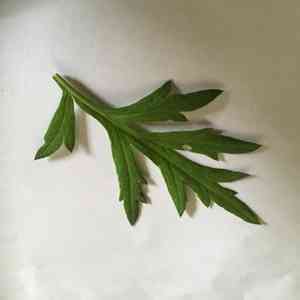
Chinese mugwort, recognized for its distinct leaves and striking look, can bring sophistication and vibrant color to any garden. With its delicate foliage and upright form, it stands out as a unique decorative plant. Whether used as a central feature or as part of a dense border, Chinese mugwort's rich green leaves and elegant shape can truly enhance your garden's visual charm.
Advantages of incorporating Chinese mugwort into your landscape plan.
Integrating Chinese mugwort into your landscape design offers numerous benefits. Firstly, its aromatic qualities can serve as a natural pest deterrent. Furthermore, Chinese mugwort requires relatively little upkeep, making it an excellent option for both new and experienced gardeners. Its ability to adapt to various soil types and conditions adds to its flexibility, ensuring it flourishes in diverse garden environments.
Selecting the Optimal Site for Chinese Mugwort
Factors to consider when choosing a planting location.
When choosing a site to plant Chinese mugwort, evaluate aspects such as soil quality, drainage, and exposure to the elements. Well-draining soil with a balanced pH is ideal for Chinese mugwort. Avoid areas prone to waterlogging, as excessive moisture can be harmful. Also, consider the plant's mature height and width to ensure it has ample room to grow without overcrowding other plants.
How light and soil type influence Chinese mugwort's development.
Chinese mugwort thrives in spots that receive ample sunlight. Full sun to partial shade is optimal for its growth. Regarding soil, while Chinese mugwort is adaptable, loamy soil with good drainage is preferred. Ensuring the plant gets sufficient sunlight and is planted in ideal soil conditions will foster healthy growth and boost its visual appeal in your garden.
Pairing Chinese Mugwort with Other Plants
Companion plants that flourish alongside Chinese mugwort.
Pairing Chinese mugwort with complementary plants can create a harmonious and visually pleasing garden. Plants such as lavender, thyme, and ornamental grasses beautifully complement Chinese mugwort. These plants not only thrive in similar conditions but also offer contrasting textures and colors that enhance the garden's overall aesthetic. Choosing the right companions ensures a balanced and cohesive landscape.
Design suggestions for creating a balanced plant arrangement.
Crafting a balanced plant arrangement with Chinese mugwort involves thoughtful planning and design. Consider the height, color, and texture of surrounding plants to complement Chinese mugwort's unique features. Use Chinese mugwort as a backdrop for shorter plants or as a focal point in a flower bed. Mixing it with plants of varying heights and colors will create depth and visual interest, making your garden more dynamic and engaging.
Care Guidelines for Chinese Mugwort in Your Landscape
Essential upkeep to maintain Chinese mugwort's health and beauty.
Caring for Chinese mugwort involves straightforward yet effective practices. Regular watering, especially during dry periods, ensures the plant stays hydrated. Pruning is crucial to maintain its shape and remove any dead or damaged foliage. Additionally, mulching around the base helps retain moisture and suppress weeds. By implementing these basic care steps, you can keep Chinese mugwort healthy and attractive year-round.
Seasonal care considerations for continuous beauty.
Seasonal care for Chinese mugwort entails adjusting your maintenance routines based on the time of year. In spring, apply a balanced fertilizer to encourage growth. During summer, ensure the plant is adequately watered and monitor for any signs of pests. In autumn, reduce watering and begin preparing the plant for winter. Mulching in late fall can protect the roots from cold temperatures, ensuring your Chinese mugwort remains vibrant throughout the year.
Inspiring Landscape Concepts Using Chinese Mugwort
Examples of stunning garden designs featuring Chinese mugwort.
For inspiration, explore garden landscapes where Chinese mugwort is the star. One example is a classic cottage garden, where Chinese mugwort stands tall among roses, daisies, and foxgloves, creating a picturesque scene. Another idea is a modern minimalist garden, where Chinese mugwort offers a striking contrast against sleek, contemporary hardscaping elements. These examples showcase Chinese mugwort's adaptability in various garden styles.
Creative methods to emphasize Chinese mugwort in your garden.
Emphasizing Chinese mugwort in your garden can be achieved creatively by using it in different design contexts. For instance, plant Chinese mugwort along pathways to create a natural border, or use it to frame garden seating areas, adding a touch of tranquility. Additionally, incorporating Chinese mugwort into mixed perennial beds can provide year-round interest and texture. These creative ideas help make Chinese mugwort a focal point in your garden landscape.



