Enhancing Your Garden Design with the Tarragon Plant: A Landscaping Guide
1
Tarragon offers a singular aesthetic charm due to its particular hue and feel.
2
It flourishes in soil that drains effectively and needs a mix of sunlight and shadow.
3
Consistent upkeep guarantees Tarragon stays robust and lively in your garden.
Appreciating Tarragon's Visual Appeal
Tarragon's visual traits: hue and texture
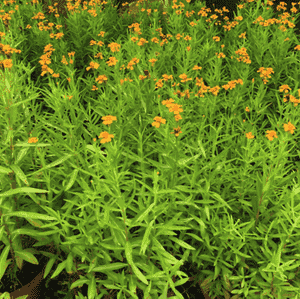
When adding Tarragon to your garden, understanding its visual characteristics is key. This plant features long, slender leaves with a vibrant green color, developing a lush, full appearance as it matures. Its texture is delicate yet robust, offering a striking contrast to heartier plants and adding sophistication to your landscape.
Appearance changes throughout the year
Tarragon's look changes dynamically with the seasons. In spring and summer, its leaves are at their brightest green, providing a fresh, lively aesthetic. As autumn approaches, Tarragon can adopt a slightly muted shade, blending seamlessly with your garden's fall colors. This seasonal variation keeps your landscape visually engaging all year.
Plant pairings for maximum visual effect
To maximize Tarragon's impact in your landscaping, consider pairing it with various plants. Combine it with flowering perennials for a burst of color, or place it alongside evergreens to highlight its unique texture. Tarragon's adaptability makes it an excellent companion plant, enriching your garden's diversity and aesthetic appeal.
Selecting the Ideal Spot for Tarragon in Your Garden
Assessing light and shade requirements
Tarragon thrives best in locations offering a balance of sun and shade. It needs at least a few hours of direct sunlight daily to maintain its vibrant color and healthy growth. However, excessive intense sunlight can cause leaves to wilt or discolor. Observe your garden's light patterns and choose a spot where Tarragon receives optimal sunlight without harsh midday exposure.
Considering soil conditions and drainage
This plant prefers well-drained soil to prevent root rot and other water-related issues. Incorporating organic matter or compost can improve drainage and nutrient content. If your garden soil retains water, consider planting Tarragon in raised beds or containers to ensure excess moisture escapes easily, promoting healthier root development.
Planning space for growth and spread
Tarragon has a moderate growth rate and can spread over time, so ensure ample space for it to flourish. Plan your landscape layout with future growth in mind, remembering that crowded conditions can lead to resource competition and reduced plant health. Regular pruning helps manage its expansion and maintain desired shape and size.
Incorporating Tarragon into Landscape Designs
Harmonizing Tarragon with structural elements like paths and borders
One way to integrate Tarragon into your landscape design is by using it to define pathways and borders. Its bushy form creates a natural boundary that guides foot traffic and draws attention to garden paths. Placing Tarragon along walkway edges or garden beds can also prevent soil erosion and keep mulch contained, adding both practical and aesthetic value.
Creative applications in vertical and horizontal spaces
Tarragon isn't limited to ground-level plantings; it can also be creatively used in vertical and horizontal areas. Plant it in hanging baskets or elevated planters for a striking visual effect. Additionally, consider training Tarragon to grow on trellises or garden walls to create living tapestries that enhance your vertical landscaping elements.
Thematic inspiration for garden layouts featuring Tarragon
Incorporate Tarragon into thematic garden layouts to evoke specific moods or styles. For instance, use it in a Mediterranean-themed garden alongside lavender and rosemary to create a sensory oasis. Alternatively, pair it with ornamental grasses and rustic decor for a natural, country-inspired look. Tarragon's adaptability makes it a versatile choice for various thematic designs.
Maintaining Tarragon in a Landscape Setting
Seasonal care routines
Maintaining Tarragon requires attention to seasonal care routines. Regular watering is necessary during dry periods, but be careful not to overwater. In the fall, prune the plant back to encourage new growth in the spring. Mulching around the base can help retain soil moisture and protect roots from temperature extremes.
Managing pests and diseases
Tarragon is relatively resistant to most pests and diseases, but occasional problems can still arise. Monitor your plants for signs of aphids, spider mites, or fungal infections. Natural remedies, such as neem oil or insecticidal soap, can effectively control infestations. Keeping the garden clean and promptly removing diseased foliage can prevent pathogen spread.
Practical advice for sustained health
Ensure Tarragon's long-term vitality by providing a balanced fertilization regimen. Use organic fertilizers to enrich the soil and promote healthy growth. Regularly check the soil pH and adjust it if necessary to maintain optimal growing conditions. Staking taller plants can provide support and prevent damage from strong winds or heavy rains.



