Enhancing Your Garden Design with the California sagebrush Plant: A Landscaping Guide
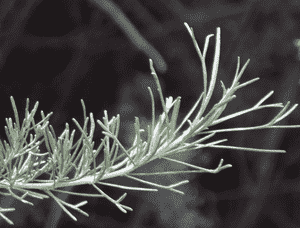
1
California sagebrush flourishes in ample sunshine and porous ground.
2
Think about incorporating California sagebrush alongside other plants that tolerate dry conditions for an environmentally conscious garden.
3
Trim California sagebrush during the beginning of spring to preserve its form and manage its size.
Introduction: The Allure of California Sagebrush in Landscaping
Discovering the indigenous charm of California sagebrush
Incorporating California sagebrush into your garden is more than just adding a plantâit's about integrating a piece of native splendor into your outdoor space. This indigenous species offers both visual appeal and ecological advantages. Its delicate foliage and fragrant aroma create a distinctive and inviting ambiance, setting it apart from typical landscape flora. By selecting California sagebrush, you support the preservation of local plant life and native wildlife.
Advantages of utilizing California sagebrush in garden and landscape design
Employing California sagebrush in your garden provides numerous benefits. Firstly, its drought-tolerant nature makes it an excellent option for water-efficient gardens. Additionally, California sagebrush requires minimal upkeep, needing little care once established. Its inherent resistance to pests and diseases means fewer chemical treatments and a healthier garden ecosystem. Furthermore, California sagebrush's aesthetic qualitiesâfrom its soft, silvery-green tones to its sculptural formâenhance the visual appeal of any landscape design.
Selecting the Optimal Site for California Sagebrush
Understanding light and soil requirements
For successful California sagebrush cultivation, comprehending its fundamental needs is vital. California sagebrush flourishes best in full sun, requiring at least six hours of direct light daily. Well-draining soils are also essential, as California sagebrush cannot endure waterlogged conditions. While it can adapt to various soil types, sandy or loamy soils with good drainage are perfect. Amending the garden bed with organic matter can improve soil structure and fertility.
Considerations for planting alongside other native species
When integrating California sagebrush into your garden, it's prudent to consider companion planting with other native species. This not only fosters a harmonious landscape but also ensures all plants thrive together. For instance, pairing California sagebrush with plants sharing similar water and sunlight needs, such as native grasses or drought-resistant perennials, creates a cohesive and sustainable garden environment. Avoid placing California sagebrush near plants demanding more water or shade, as this can lead to competition and hindered growth.
Design Concepts with California Sagebrush
Establishing focal points
California sagebrush can serve as a striking focal point in your landscape design. Its distinctive shape and texture attract attention, making it an excellent choice for central features in garden beds or as individual specimens. To accentuate its beauty, plant California sagebrush in prominent locations where it can be observed from multiple perspectives. Grouping several California sagebrush plants together can also create a powerful visual impact.
Creating borders and edges
Another effective application for California sagebrush in landscape design is forming borders and edges. Its consistent and manageable growth habit makes it ideal for delineating garden beds or pathways. The soft, airy texture of California sagebrush offers a pleasing contrast to more structured, rigid plants, adding depth and interest to your garden layout. Planting California sagebrush along the perimeter of your garden can help define spaces and establish natural boundaries.
Integration with xeriscaping principles
California sagebrush is an ideal candidate for xeriscaping, a landscaping approach that minimizes or eliminates the need for irrigation. By incorporating California sagebrush with other drought-tolerant plants and utilizing mulch to retain soil moisture, you can cultivate a sustainable and low-water-use garden. Xeriscaping not only conserves water but also reduces maintenance efforts and promotes a healthier environment. Including California sagebrush in this design strategy supports ecological balance and sustainable gardening practices.
Companion Plants for California Sagebrush
Optimal plant partners for aesthetic and ecological balance
Selecting the appropriate companion plants for California sagebrush enhances both the beauty and ecological value of your garden. Choose plants that flourish in similar conditions, such as yarrow, lavender, or native grasses. These companions not only complement California sagebrush visually but also establish a diverse habitat that supports beneficial insects and wildlife. The varied textures and colors of these plant combinations add visual interest and ensure a resilient garden ecosystem.
Preventing botanical incompatibilities
While pairing California sagebrush with suitable companions is crucial, it's equally important to avoid botanical mismatches. Plants requiring consistent moisture or partial shade should be situated away from California sagebrush, as their differing needs can result in poor growth or increased vulnerability to pests and diseases. Researching and selecting plants with similar environmental preferences ensures harmonious growth and reduces competition for resources, leading to a more productive and beautiful garden.
Seasonal Considerations for California Sagebrush
Care throughout various seasons
Caring for California sagebrush varies with the seasons, and understanding these requirements ensures its year-round health and vigor. During the active growth period (spring and summer), consistent wateringâespecially during extended dry spellsâhelps establish strong roots. Mulching can assist in moisture retention and weed suppression. In autumn, reducing water and allowing the plant to enter dormancy prepares it for winter. Regular inspection for pests and diseases throughout the year can prevent any serious issues.
Preparing California sagebrush for colder months
As winter approaches, it's important to prepare California sagebrush to endure colder temperatures. While California sagebrush is generally resilient, providing extra protection can ensure its survival. Prune back any dead or damaged stems in late fall, and add a layer of mulch around the base to insulate the roots against frost. In regions with harsh winters, consider covering California sagebrush with burlap or a frost blanket during particularly cold periods. These steps help maintain plant health and promote robust growth in spring.
Troubleshooting Common Issues with California Sagebrush
Addressing pest problems
Although California sagebrush is relatively pest-resistant, occasional issues may arise. Common pests include aphids and spider mites. Regularly inspecting your plants and employing organic pest control methods, such as insecticidal soap or neem oil, can effectively manage minor infestations. Encouraging natural predators like ladybugs and lacewings can also help keep pest populations in check. Maintaining plant health through proper watering and care reduces susceptibility to pest attacks.
Managing growth: Pruning and controlling spread
Managing the growth of California sagebrush through regular pruning ensures it remains healthy and attractive. Pruning in early spring encourages new growth and helps maintain the desired shape. Remove any dead or overgrown branches to allow better air circulation and light penetration. Controlling the spread of California sagebrush can be achieved by cutting back runners and planting it in areas where it has space to expand without encroaching on other plants. Consistent maintenance promotes a well-groomed garden and prevents overcrowding.



