Enhancing Your Garden Design with the Sweet wormwood Plant: A Landscaping Guide
1
Selecting an appropriate site greatly enhances Sweet wormwood's development and visual appeal in your outdoor space.
2
Sweet wormwood integrates well with various plant types, improving the garden's overall look.
3
Consistent care for Sweet wormwood guarantees it stays an attractive element in your garden year-round.
Introducing Sweet Wormwood in Garden Design
Appreciating the visual qualities of Sweet Wormwood
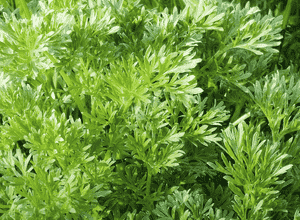
When considering an attractive plant for your garden, Sweet Wormwood is a strong contender. Its distinctive foliage, often fragrant and delicate, offers an engaging texture that captures attention and adds depth to your planting scheme. The aesthetic appeal of Sweet Wormwood isn't found in vibrant blooms but in its subtle grace and how its muted green tones can complement and elevate the brighter hues of other plants.
The enduring charm of Sweet Wormwood in garden environments
A key characteristic of Sweet Wormwood is its perennial nature, allowing you to enjoy its beauty year after year with minimal effort. This attribute not only makes it a practical choice for gardeners aiming for lasting plantings but also ensures continuity in your garden's visual appeal. Consider Sweet Wormwood like a timeless wardrobe staple â always relevant, always appealing.
Blending beauty and utility with Sweet Wormwood
Sweet Wormwood offers more than just visual appeal in the garden. Its growth habit and structure make it an excellent option for various practical aspects of garden design. From serving as a natural pest deterrent to acting as a companion plant that supports the health of nearby flora, Sweet Wormwood combines the best of aesthetics and functionality. With Sweet Wormwood, you can achieve a garden that looks great and works harder for you.
Selecting the Optimal Site for Sweet Wormwood
Factors for successful growth
Choosing the correct location in your garden for Sweet Wormwood is vital for its prosperity. Consider elements like space, as it can grow quite large under ideal conditions. Ensure ample air circulation around the plant, which helps prevent potential diseases. Evaluating these factors before planting saves time and guarantees Sweet Wormwood thrives without impediment.
Sunlight and soil preferences for Sweet Wormwood
Sweet Wormwood thrives in full sun, so select a spot that receives at least six hours of direct sunlight daily. Regarding soil, Sweet Wormwood isn't overly particular but flourishes best in well-drained, slightly alkaline soil. Avoid waterlogged areas, as the roots require aeration. Improving sandy or loamy soils with organic matter can also boost its vitality.
Strategic placement in landscape planning
To maximize Sweet Wormwood's potential, consider its placement thoughtfully within your overall garden design. Utilize it as a backdrop for flowering plants, allowing its greenery to accentuate their colors. It can also serve as a striking focal point in a mixed herbaceous border or within a rock garden, where its texture can beautifully contrast with the stones.
Integrating Sweet Wormwood with Other Plants
Companion planting: Ideal partners for Sweet Wormwood
Pairing Sweet Wormwood with suitable companion plants can enhance its growth and the overall garden health. Good neighbors include plants that benefit from its natural pest-repelling qualities. Consider placing it near vegetables like tomatoes and peppers or herbs like basil and mint. This not only deters unwanted insects but also fosters a vibrant and functional plant community.
Achieving balance and contrast
To create a visually pleasing garden, balancing Sweet Wormwood with other plants is essential. Contrast its muted green foliage with plants that have bright or deep-colored flowers, such as lavender or marigolds. Also, consider plants with diverse leaf shapes and textures to establish a dynamic and engaging visual display.
Avoiding common planting errors
A frequent mistake is overcrowding Sweet Wormwood with other plants, which can impede its growth and reduce airflow, leading to disease. Ensure it has sufficient room to spread and flourish. Additionally, avoid placing it in areas with poor drainage, as this can cause root rot. Proper planning and spacing are crucial for preventing these issues.
Sweet Wormwood Garden Maintenance Tips
Basic care for lasting impact
Maintaining Sweet Wormwood is relatively simple, but consistency is key. Regularly prune the plant to encourage healthy growth and prevent it from becoming too leggy. Remove any dead or yellowing leaves and stems to keep it looking fresh and vigorous. Additionally, occasional feeding with a balanced fertilizer can promote lush growth and resilience.
Seasonal care advice
Each season presents its own maintenance requirements for Sweet Wormwood. In spring, focus on pruning and fertilizing as new growth begins. Summer necessitates consistent watering, especially during extended dry periods. As autumn approaches, cut back spent foliage and prepare it for winter. Mulching in late fall can protect the roots from harsh winter temperatures, ensuring a healthy return in spring.
Addressing typical problems
Despite its robust nature, Sweet Wormwood can still encounter some common garden issues. Pests like aphids and spider mites may occasionally appear, but these can be managed with natural remedies such as insecticidal soap or neem oil. Fungal diseases can be prevented by ensuring good air circulation and avoiding overhead watering. Regular inspections and prompt action can keep Sweet Wormwood in prime condition.
Creative Landscaping Concepts with Sweet Wormwood
Innovative designs for incorporating Sweet Wormwood
There are numerous ways to creatively integrate Sweet Wormwood into your garden design. Consider using it to line pathways, creating a natural and aromatic guide for visitors. You could also plant it in containers for a mobile piece of nature that can be repositioned as needed, adding versatility to your garden layout.
Integrating Sweet Wormwood into themed gardens
Sweet Wormwood fits beautifully into various themed gardens, from herb gardens to Mediterranean-style landscapes. Its unique foliage complements dry, sunny borders typical of Mediterranean themes, while its practical benefits make it an excellent addition to an edible or medicinal herb garden. The adaptability of Sweet Wormwood allows it to enhance any theme you choose.
Highlighting Sweet Wormwood's features for maximum appeal
To truly showcase Sweet Wormwood, focus on emphasizing its best characteristics. Plant it where it can be appreciated up close, such as near a patio or along frequently used paths. Grouping several plants together can create a lush, green focal point that draws the eye. Lighting, both natural and artificial, can also play a role in emphasizing its texture and color, particularly in evening garden settings.



