Enhancing Your Garden Design with the Common wormwood Plant: A Landscaping Guide
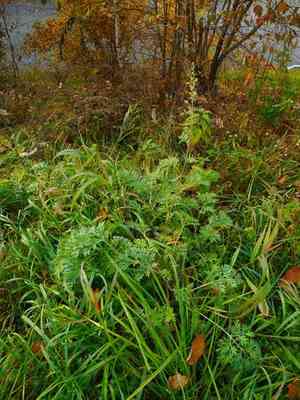
1
Common wormwood needs little care, perfect for those with limited time for gardening.
2
Common wormwood is very versatile, flourishing in various soil conditions and weather patterns.
3
Adding Common wormwood to your garden can draw in helpful creatures like birds and bugs.
Appreciating the Visual Charm of Common Wormwood
Inherent color and structure: Discover the distinct shades and forms of Common Wormwood
A prominent characteristic of Common Wormwood is its singular and striking foliage. Its pale, silver-green leaves lend a soft, airy quality to any garden setting, providing a beautiful contrast with darker greens and brightly colored blooms. The delicate, feathery leaves impart a touch of sophistication, making it an ideal selection for any landscaping project aiming for subtle elegance. Furthermore, the plant's stems and leaves possess a slightly fuzzy texture, enhancing its overall tactile appeal.
Seasonal changes: Insights into how Common Wormwood transforms throughout the year
Throughout the year, Common Wormwood undergoes subtle yet captivating transformations. In spring, new growth emerges with a fresh, vibrant green hue, gradually shifting to a more subdued, silvery shade as the season progresses. This seasonal variation can introduce a dynamic element to your garden, offering visual interest year-round. During late summer and early fall, the plant may produce small, yellowish blossoms, adding a delicate touch of color without dominating the overall design.
Companion plants: Optimal garden partners for Common Wormwood
Common Wormwood is a versatile plant that pairs well with a variety of other species. For a cohesive garden bed, consider pairing Common Wormwood with plants that feature bold or contrasting foliage, such as ornamental grasses or dark-leaved perennials like Heuchera. Flowering plants with vibrant blooms, such as lavender or yarrow, can also complement Common Wormwood's subtle color palette, creating a balanced and visually pleasing garden. By selecting appropriate companions, you can amplify the overall aesthetic impact of your landscape.
Practical Advantages of Incorporating Common Wormwood in Landscaping
Minimal upkeep requirements: Why Common Wormwood is a gardener's favorite
A primary reason gardeners favor Common Wormwood is its low maintenance demands. This resilient plant is drought-tolerant and does not require frequent watering, making it an excellent choice for those desiring a beautiful garden without constant care. Additionally, Common Wormwood is resistant to many common pests and diseases, meaning you won't need to worry about continuous treatments and interventions. Simply plant it in well-drained soil and allow it to flourish with minimal effort.
Versatility: How well Common Wormwood thrives in diverse environments
Common Wormwood is remarkably adaptable and can flourish in a range of settings. Whether your soil is sandy, loamy, or clay, Common Wormwood is likely to thrive as long as it is well-drained. It can endure periods of drought as well as occasional heavy rainfall, making it suitable for various climates. This adaptability makes Common Wormwood a dependable and flexible option for landscapers working in different regions and conditions, ensuring success in diverse garden designs.
Wildlife attraction: Drawing beneficial insects and birds with Common Wormwood
Integrating Common Wormwood into your garden can also provide ecological benefits by attracting advantageous wildlife. The plant's flowers offer nectar for pollinators such as bees and butterflies, supporting the local ecosystem. Furthermore, Common Wormwood can serve as a habitat for certain birds and beneficial insects, contributing to a healthier and more vibrant garden environment. By drawing these creatures, you help maintain ecological balance and foster a self-sustaining garden.
Landscape Design Concepts with Common Wormwood
Establishing focal points: Strategies to emphasize Common Wormwood in your garden
To maximize Common Wormwood's distinctive attributes, consider utilizing it as a focal point in your garden. Planting a single Common Wormwood or a small cluster in a prominent spot can draw attention and create a visual anchor for your landscape design. You can enhance this effect by surrounding Common Wormwood with lower-growing plants or ground covers that allow its form and color to stand out. By strategically placing Common Wormwood, you can elevate its presence and add depth to your garden layout.
Borders and edgings: Incorporating Common Wormwood to delineate distinct areas
Common Wormwood is also an excellent option for defining borders and edges within your garden. Its structured growth habit makes it perfect for lining pathways, marking garden beds, or creating natural divisions between different zones. The contrasting color and texture can help clearly outline spaces, giving your landscape a refined and organized appearance. Whether used in a formal garden design or a more naturalistic setting, Common Wormwood can provide clean yet organic edges that enhance overall visual appeal.
Combine and contrast: Pairing Common Wormwood with hardscape elements
When planning your garden, consider pairing Common Wormwood with various hardscape elements like stone paths, wooden trellises, or metal sculptures. The silvery foliage of Common Wormwood offers a soft contrast to the solid, often rugged texture of hardscapes, creating a balanced and harmonious design. For instance, planting Common Wormwood alongside a gravel pathway can highlight its delicate features against a stark background, while integrating it near a water feature can provide a serene and balanced aesthetic. Thoughtful combinations can truly bring out the best in both your plants and your landscape elements.



