Enhancing Your Garden Design with the Black chokeberry Plant: A Landscaping Guide
1
Adding Black chokeberry to your outdoor space can draw in diverse creatures like birds and beneficial insects.
2
Black chokeberry provides aesthetic appeal across the entire year, establishing it as an adaptable option for any yard.
3
Combining Black chokeberry with suitable companion plants can form attractive and harmonious garden designs.
Introduction to Black chokeberry in Landscaping
What makes Black chokeberry a favorite among landscape designers?
Landscape architects frequently favor Black chokeberry due to its adaptability and low maintenance. This plant flourishes in diverse soil types and climates, making it suitable for various garden environments. Another reason for its appeal is its hardiness; Black chokeberry can withstand both dry spells and occasional inundation, making it a dependable option for many regions.
Understanding the aesthetic appeal of Black chokeberry
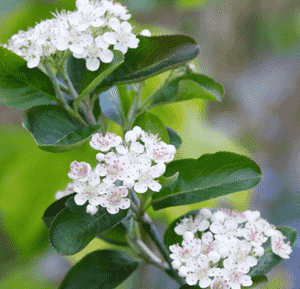
Black chokeberry is highly valued for its year-round visual interest. In spring and summer, it displays glossy, green leaves and clusters of white or pinkish blossoms. By autumn, these leaves transform into brilliant red, orange, or purple, and the plant produces small, black berries that remain through winter. This seasonal shift keeps gardens looking vibrant and engaging across all seasons.
Incorporating Black chokeberry into Various Landscape Themes
Traditional garden settings
In classic garden designs, Black chokeberry can be utilized to create a timeless look with its abundant foliage and sequential flowering. It pairs well with other perennial shrubs and can be employed to form hedges or borders. The plantâs structured growth makes it perfect for formal garden layouts where uniformity and balance are key elements.
Modern landscape designs
For contemporary landscape designs, Black chokeberry adds a modern flair with its bold colors and clean lines. Its versatility allows it to be integrated into minimalist landscapes where it can serve as a statement piece or central feature. Furthermore, its berries and vibrant autumn foliage provide striking contrasts that align well with modern aesthetics.
Wildlife-friendly spaces
Creating a wildlife-friendly area is simplified with the inclusion of Black chokeberry, as it attracts a variety of birds and pollinators. The berries offer a food source for birds during the colder months, while the flowers draw in bees and butterflies in spring and summer. This not only supports local wildlife but also enhances the ecological value of your garden.
Seasonal Considerations for Black chokeberry
Spring and summer: Growth and blooming
During the warmer periods of spring and summer, Black chokeberry exhibits vigorous growth and produces clusters of delicate flowers. This is the optimal time to ensure the plant receives adequate water, though it can endure dry periods. Regular trimming can help maintain its form and encourage healthy blooms, making it a highlight of your summer garden.
Autumn and winter: Color and texture
As autumn arrives, Black chokeberry changes its appearance with foliage that turns vivid shades of red and purple, offering stunning fall color. The black berries that emerge in late summer and persist into winter add texture and visual appeal even when other plants have died back. This seasonal transformation ensures that Black chokeberry remains a focal point throughout the colder months.
Partnering Plants: Companions for Black chokeberry
Best plant pairings for aesthetic harmony
When planning your garden, consider pairing Black chokeberry with plants that complement its seasonal transformations. Perennials like lavender or catmint add contrasting colors and textures during the growing season. In autumn, grasses and sedums can highlight the rich hues of Black chokeberryâs foliage. These pairings create a cohesive and aesthetically pleasing garden design.
Considerations for plant health and growth
When selecting companion plants, it's crucial to choose those with similar sunlight and water requirements. Black chokeberry thrives in full sun to partial shade and in well-drained soil, so select plants that share these preferences. Additionally, avoid overcrowding to ensure sufficient air circulation and reduce the risk of disease, promoting a healthier garden ecosystem.
How to Best Showcase Black chokeberry as a Focal Point
Strategic placement in your garden
To showcase Black chokeberry effectively, consider its mature size and position it where it can be admired from various viewpoints. It's an excellent choice for the center of garden beds or as a prominent shrub in a mixed border. By placing it thoughtfully, you'll enhance its visual impact and help it stand out as a garden centerpiece.
Lighting and visibility considerations
Lighting plays a significant role in highlighting the beauty of Black chokeberry. Choose locations with optimal sunlight to ensure healthy growth and vibrant foliage. Additionally, consider installing garden lighting to illuminate the plant in the evenings, adding an enchanting element to your landscape. Proper lighting can transform Black chokeberry into a stunning focal point even after the sun sets.



