Enhancing Your Garden Design with the Shoebutton Plant: A Landscaping Guide
1
Shoebutton offers both visual charm and functional advantages for your garden space.
2
Correct positioning and upkeep are crucial for Shoebutton's successful development.
3
Pairing Shoebutton with other plants can boost its aesthetic appeal and general vigor.
Introducing Shoebutton in Garden Design
Understanding the distinct visual qualities of Shoebutton
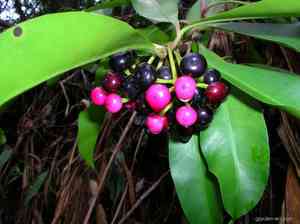
Shoebutton is a remarkable plant recognized for its unique attributes that can elevate the aesthetic appeal of any garden. With its shiny leaves and decorative berries, it provides a rich and vibrant look throughout the year. Whether you aim to add texture, color, or an exotic feel to your garden, Shoebutton can be an ideal selection.
The function of Shoebutton in landscape architecture
In landscape architecture, Shoebutton fulfills various functions. Its dense habit makes it an excellent option for hedges or borders, offering structure and order. Furthermore, its ornamental berries can establish focal points, drawing attention to particular areas of your garden. It can also be utilized to form a natural screen or privacy barrier, enhancing both the beauty and utility of your outdoor space.
Advantages of incorporating Shoebutton into your garden
Integrating Shoebutton into your garden offers several advantages. Beyond its visual charm, it supports local wildlife, providing sustenance and refuge for birds and beneficial insects. Moreover, Shoebutton requires relatively little upkeep, making it a practical addition for both new and experienced gardeners. It also exhibits a moderate growth rate, meaning it won't quickly outgrow its designated area, leading to a more manageable gardening experience.
Selecting the Optimal Spot for Shoebutton
Evaluating sunlight needs for peak development
Shoebutton flourishes best in partial to full sun exposure. When choosing a planting site, ensure it receives at least a few hours of sunlight daily. However, it can also endure some shade, making it adaptable for various garden environments. Observing the sun patterns in your garden will assist you in picking the prime location for optimal growth.
Grasping soil preferences to ensure vitality and growth
The soil condition is vital for Shoebutton's health and development. It favors well-draining soil with a slightly acidic to neutral pH. Before planting, consider testing your soil; if needed, amend it with organic matter to boost fertility and drainage. Consistent moisture is important, so applying mulch around the base can help retain soil moisture and keep roots cool.
Space considerations for planting Shoebutton
Spatial planning is crucial when integrating Shoebutton into your garden. This plant can grow moderately tall and wide, so allow ample room for it to mature without crowding other plants. Planting it too close to other shrubs can result in competition for resources, impacting its growth and health. Ensuring sufficient spacing will enable Shoebutton to thrive and maintain its form and beauty.
Pairing Shoebutton with Other Plants
Companion planting: What complements Shoebutton best?
Companion planting can amplify Shoebutton's beauty and improve your garden's ecosystem. Consider pairing Shoebutton with plants that possess complementary colors or leaf textures. Ferns, hostas, or other shade-tolerant plants can create a striking visual contrast with Shoebutton's glossy leaves. Additionally, flowering plants like hydrangeas can be excellent companions, offering seasonal blooms that enhance the garden's visual diversity.
Crafting color contrasts and harmonies with Shoebutton
Color contrast is a potent tool in garden design, and Shoebutton presents superb opportunities for this. Its dark green foliage pairs beautifully with lighter-colored plants, creating a striking visual effect. To establish harmonious color schemes, consider the hues of nearby plants and flowers. Harmonizing with purples, pinks, or even white flowers can highlight Shoebutton's best features and create a cohesive look throughout your garden.
Maintaining equilibrium in garden design using Shoebutton
Balancing your garden design is essential for a pleasing aesthetic. Shoebutton can be used to create points of interest without dominating the space. Position it strategically to draw attention to specific areas while ensuring it doesn't overshadow smaller plants. Utilize Shoebutton to balance height and volume in your garden, integrating it with plants of varying sizes to achieve a well-proportioned and visually appealing landscape.
Seasonal Maintenance Tips for Shoebutton
Spring and Summer care: Maximizing growth and appeal
During spring and summer, Shoebutton enters its active growth phase. Regular watering, especially during dry periods, will help maintain its lush appearance. Applying a balanced, slow-release fertilizer in the spring can boost growth and berry production. Pruning in late spring or early summer helps maintain its shape and encourages denser foliage.
Fall and Winter strategies: Shielding Shoebutton from the elements
In fall and winter, Shoebutton requires protection from extreme cold. Applying a thick layer of mulch can insulate the roots and retain ground warmth. If you reside in a region with harsh winters, consider planting Shoebutton in a sheltered spot or using frost covers during particularly cold nights. Reducing watering as the weather cools helps prevent root rot and maintains plant health.
Frequently Asked Questions
Can Shoebutton thrive in shaded environments?
Shoebutton can tolerate partial shade but performs optimally with several hours of daily sunlight. Full shade may impact its growth and berry production.
What is Shoebutton's growth rate?
Shoebutton exhibits a moderate growth rate, making it a manageable plant for most gardens. On average, it reaches its mature size over several years with proper care.
Are there common pests to monitor for with Shoebutton?
Shoebutton is relatively pest-resistant but can occasionally attract aphids or scale insects. Regular inspection and prompt treatment can keep these pests under control.



