Enhancing Your Garden Design with the Pacific madrone Plant: A Landscaping Guide
1
The Pacific madrone is an environmentally sound option that supports a variety of life forms.
2
Selecting an optimal site for Pacific madrone enhances its development and aesthetic value.
3
Incorporating Pacific madrone alongside suitable flora can result in impressive garden layouts.
Introducing Pacific Madrone in Garden Design
Appreciating the Visual Charm of Pacific Madrone
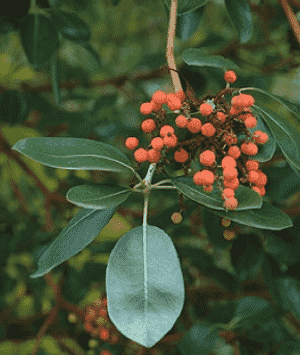
Pacific madrone offers a distinct and captivating look, making it a favored option for improving landscape aesthetics. Its smooth, reddish bark, which peels to reveal a green layer beneath, creates a striking visual anchor in any garden. Its shiny, dark green leaves form a rich backdrop for its spring clusters of white or pink blooms, followed by appealing red berries in autumn. This combination of attributes ensures Pacific madrone provides year-round beauty in your outdoor space.
Pacific Madrone's Role in Sustainable Landscaping
Pacific madrone not only adds visual appeal but also plays a vital part in environmentally friendly landscaping. As a native species, it is well-adapted to local climates and soil types, reducing the need for artificial fertilizers and pesticides. This adaptability means Pacific madrone requires less water and upkeep, making it a sustainable choice for eco-conscious gardeners. Furthermore, Pacific madrone offers shelter and sustenance for local wildlife, fostering biodiversity and contributing to the health of local ecosystems.
Choosing the Best Spot for Pacific Madrone
Assessing Soil and Sunlight Needs for Pacific Madrone
To ensure Pacific madrone flourishes in your garden, understanding its soil and sunlight requirements is crucial. Pacific madrone prefers well-draining soils with a slightly acidic to neutral pH. Sandy or loamy soils are ideal, as they prevent water accumulation, which can harm Pacific madrone's health. This plant thrives in full sun to partial shade, so select a location that receives at least six hours of sunlight daily. Proper site evaluation can greatly impact the success of growing Pacific madrone in your landscape.
Advice for Placing Pacific Madrone in Your Garden
Strategically placing Pacific madrone in your garden can boost its growth and the overall beauty of your landscape. Choose a location where Pacific madrone can reach its full size without being overshadowed by larger trees or structures. Consider the plant's mature dimensions, which can reach up to 30 feet tall, and ensure it has ample room to develop. Plant Pacific madrone as a solitary specimen or in small groupings to create an attractive arrangement. Additionally, avoid planting Pacific madrone in areas with heavy foot traffic to prevent soil compaction around its root system.
Integrating Pacific Madrone with Other Flora
Companion Plants That Thrive Alongside Pacific Madrone
Selecting appropriate companion plants can enhance the beauty and vitality of Pacific madrone in your garden. Consider pairing Pacific madrone with other indigenous plants that flourish under similar soil and light conditions. Species such as California lilac, manzanita, and salal are excellent choices, as they share Pacific madrone's preference for well-drained soils and full sun. These plants not only complement Pacific madrone aesthetically but also create a cohesive and sustainable landscape that supports local wildlife and biodiversity.
Designing with Color Contrasts and Textural Balance
Achieving a visually pleasing garden design involves careful thought regarding color contrasts and textural elements. Pacific madrone's rich, reddish bark and dark green leaves offer a striking contrast when combined with plants featuring lighter or brighter foliage, such as gray-green sage or silvery lavender. Moreover, incorporating plants with varied textures, like the fine, feathery leaves of yarrow or the broad, smooth leaves of ferns, can create a dynamic and engaging garden composition. By thoughtfully blending different colors and textures, you can cultivate a garden that is both visually stimulating and harmonious.
Seasonal Care for Pacific Madrone
Spring and Summer Maintenance Tips
Caring for Pacific madrone during spring and summer involves consistent watering, especially during dry periods, to aid in plant establishment. Applying mulch around the base can help retain moisture and regulate soil temperature. Prune any dead or damaged branches to encourage healthy growth and maintain the plant's form. In summer, monitor for pests and diseases, and take necessary action to keep Pacific madrone healthy and thriving. Ensure the soil remains well-drained, as waterlogged conditions can lead to root rot.
Preparing Pacific Madrone for Autumn and Winter
As autumn approaches, reduce watering to ready Pacific madrone for the colder months. Clear fallen leaves and debris from around the base to prevent fungal infections. A light layer of organic mulch can provide insulation against temperature shifts and protect the roots during winter. Pacific madrone is generally resilient, but in regions with harsh winters, consider wrapping the plant in burlap to shield it from strong winds and frost. Regularly check for any signs of damage or disease and address them promptly to ensure Pacific madrone emerges healthy in spring.
Long-Term Advantages of Including Pacific Madrone in Your Landscape
Boosting Property Value and Visual Appeal
Integrating Pacific madrone into your landscape can significantly increase your property's value and curb appeal. Its distinctive and attractive appearance can make your garden stand out, leaving a lasting impression on visitors and potential buyers. Well-maintained Pacific madrone trees can serve as focal points, drawing attention to your garden's beauty. Additionally, mature Pacific madrone trees can offer shade and cooling benefits, enhancing the overall comfort and usability of your outdoor space, which can be a valuable selling point.
Contributions to Biodiversity and Environmental Wellness
Including Pacific madrone in your landscape design offers lasting benefits beyond aesthetics. As a native plant, Pacific madrone supports local wildlife by providing food and habitat for birds, insects, and small mammals. Its flowers attract pollinators, such as bees and butterflies, which are crucial for maintaining healthy ecosystems. Furthermore, Pacific madrone helps improve soil quality and prevent erosion with its extensive root system. By planting Pacific madrone, you contribute to the preservation of native plant species and foster a more resilient and balanced environment in your garden.



