Enhancing Your Garden Design with the Monkey puzzle tree Plant: A Landscaping Guide
1
The Monkey puzzle tree makes an outstanding centerpiece for any garden space.
2
Adequate soil conditioning is crucial for the robust development of the Monkey puzzle tree.
3
Incorporating the Monkey puzzle tree introduces a distinctive aesthetic to both traditional and modern garden designs.
Introducing the Monkey Puzzle Tree in Landscape Design
Defining the Monkey Puzzle Tree's Role in Contemporary Garden Aesthetics
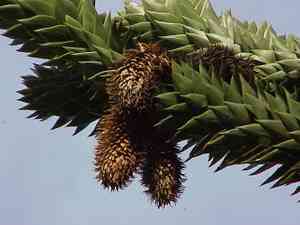
In modern garden aesthetics, the Monkey puzzle tree distinguishes itself with its singular and striking appearance. This evergreen, with its distinctive, spiky branches, can impart an exotic elegance to any garden. Its function in current landscaping goes beyond mere looks; it can serve as a grand focal point that captures attention and inspires admiration. Its impressive size and intriguing form make it a versatile addition capable of enhancing various landscape themes.
Understanding the Monkey Puzzle Tree's Visual Appeal
The Monkey puzzle tree's visual charm stems from its distinctive and symmetrical branch arrangement, which forms a captivating outline against the sky. Its dark green foliage further contributes to its prominent presence. This tree's unusual look not only sparks interest but also adds depth and texture to garden settings. Its imposing presence can offer a bold contrast to softer, more delicate plants, resulting in a balanced and visually engaging garden space.
Integrating the Monkey Puzzle Tree into Diverse Landscape Styles
How the Monkey Puzzle Tree Enhances Formal Garden Environments
The Monkey puzzle tree can be an excellent addition to formal garden environments where structure and balance are key. Its organized growth pattern aligns well with the geometric layouts typical of formal gardens. Placing the Monkey puzzle tree along walkways or at the core of a patterned garden can emphasize formality while introducing an element of surprise and distinctiveness. The tree's majestic silhouette brings a sense of permanence and grandeur ideal for such settings.
Utilizing the Monkey Puzzle Tree in Modern Outdoor Areas
In contemporary garden designs, the Monkey puzzle tree acts as a bold, architectural element that can break the uniformity of minimalist, modern styles. Its dramatic shape and unusual texture make it a statement piece in sleek, streamlined spaces. Positioning the Monkey puzzle tree within a minimalist garden can provide a focal point and add dynamic visual interest. The tree can also be used to create a seamless blend of nature and modern architecture, enhancing the overall aesthetic of contemporary outdoor areas.
Incorporating the Monkey Puzzle Tree with Native Landscaping Approaches
Using the Monkey puzzle tree in native landscaping can introduce an exotic flair while maintaining ecological balance. Although not indigenous to many regions, it can be harmoniously integrated with local flora to create a diverse and sustainable garden. The key is ensuring its needs align with the natural conditions of the surrounding environment. Planting the Monkey puzzle tree alongside drought-resistant grasses or native shrubs can create a visually appealing and ecologically sound landscape.
Practical Advice for Planting the Monkey Puzzle Tree
Choosing the Ideal Spot for Your Monkey Puzzle Tree in the Garden
Selecting the correct location for the Monkey puzzle tree is vital for its health and development. This tree prefers well-drained soil and a sunny spot where it can receive full sunlight. Ensure ample space around the planting area, as the Monkey puzzle tree can grow quite large over time. Consider the tree's mature size when planning its placement to prevent overcrowding and ensure it has room to flourish without competing with other plants for resources.
Soil Preparation and Environmental Considerations
Proper soil preparation is crucial for the successful growth of the Monkey puzzle tree. The tree prefers slightly acidic to neutral soil with good drainage. Before planting, enrich the soil with organic matter to improve fertility and texture. It's also important to consider the climate; the Monkey puzzle tree thrives in cool, temperate zones and can tolerate occasional drought once established. Consistent watering in the initial stages and during dry spells will help establish a strong root system.
Maintaining Your Monkey Puzzle Tree in the Landscape
Fundamental Guidelines for the Healthy Growth of the Monkey Puzzle Tree
Proper upkeep is essential for keeping the Monkey puzzle tree healthy and vigorous. Regular watering, especially during dry periods, helps sustain its growth. Mulching around the base can aid in retaining moisture and regulating soil temperature. Pruning is generally minimal but should be performed to remove dead or damaged branches to encourage healthy growth. Monitoring for pests and diseases, though rare, is also important to prevent any potential issues from worsening.
Seasonal Care Tips and Long-Term Maintenance
Seasonal care for the Monkey puzzle tree involves regular inspections and maintenance activities adapted to different times of the year. In spring, applying a balanced fertilizer can support new growth. Summer care includes consistent watering and checking for pests. During fall, focus on clearing fallen leaves and debris to prevent fungal infections. Winter might necessitate protective measures in harsh climates, such as mulching to shield roots from freezing temperatures. Long-term maintenance includes occasional pruning to shape the tree and ensure it remains healthy and aesthetically pleasing.
Innovative Uses and Decorative Concepts with the Monkey Puzzle Tree
Designing Focal Points Using the Monkey Puzzle Tree
The Monkey puzzle tree can be the perfect centerpiece for a garden, drawing the eye and creating a strong visual focal point. Its unique appearance makes it stand out, whether planted individually or as part of a cluster. Positioning the Monkey puzzle tree in a prominent spot, such as the end of a garden path or the center of a lawn, can create a striking feature that anchors the landscape. It can also be used to frame views or as a backdrop for other design elements.
Pairing the Monkey Puzzle Tree with Other Plants for Visual Impact
To enhance the visual impact of the Monkey puzzle tree, consider pairing it with complementary plants. The dark, dense foliage of the Monkey puzzle tree contrasts beautifully with lighter, more delicate plants such as ornamental grasses, flowering perennials, or deciduous shrubs. Mixing it with plants of varying heights and textures can create a layered effect, providing depth and richness to the garden. Creativity in combinations will make your garden not only unique but also exceptionally captivating.



