Enhancing Your Garden Design with the Zebra plant Plant: A Landscaping Guide
1
The distinctive leaves of Aphelandra squarrosa can introduce an exotic aesthetic to any outdoor space.
2
Maintaining Aphelandra squarrosa necessitates careful monitoring of hydration and ideal light exposure.
3
Placing Aphelandra squarrosa near entrances emphasizes key areas within your garden layout.
Appreciating the Aesthetic Appeal of Zebra plant
Recognizing Distinctive Characteristics: Leaves and Hue
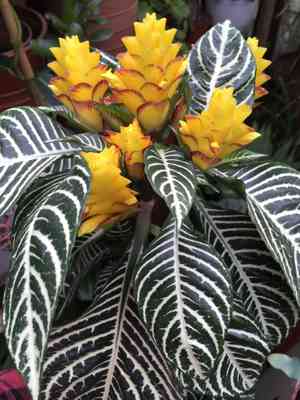
A primary captivating aspect of Zebra plant in garden design is its striking foliage. The leaves are a deep green with vivid white veins, creating a dramatic contrast that immediately captures attention. This unique pattern works well in both natural and more structured landscape schemes. The foliage alone makes Zebra plant a must-have for those seeking to add a touch of exotic elegance to their outdoor spaces.
Seasonal Transformations in Appearance
An intriguing feature of Zebra plant is its seasonal evolution. Under optimal conditions, Zebra plant flowers in late summer to early autumn, displaying bright yellow flower spikes that stand out against its dark leaves. Understanding these seasonal shifts allows gardeners to plan and design their landscape with periods of high visual impact in mind. This seasonal variation makes Zebra plant not just a perennial addition but also a dynamic one that keeps the garden looking vibrant throughout the year.
Integrating Zebra plant into Various Landscape Styles
Tropical-Themed Gardens
For those envisioning a lush, tropical garden, Zebra plant can be a central element. Its striking foliage and bright blooms contribute to the feeling of a tropical paradise. Whether planted among other tropical favorites like ferns and elephant ears or used as a focal plant in a bed of rich greenery, Zebra plant helps to create that dense, vibrant atmosphere characteristic of tropical gardens.
Formal and Minimalist Garden Designs
Interestingly, Zebra plant can also integrate well into more formal or minimalist designs. Its structured form and bold lines make it suitable for providing focal points in more understated gardens. Imagine Zebra plant lining a clean, minimalist pathway or serving as an eye-catching feature in a meticulously maintained garden bed. Its adaptability means it can add a touch of sophistication to almost any landscape style.
Choosing Companion Plants for Zebra plant
Enhancing Textures and Colors
Selecting appropriate companion plants for Zebra plant can amplify its visual impact. Plants with contrasting textures, such as the soft fronds of ferns or the broad leaves of hostas, can complement Zebra plant's bold foliage. Additionally, choosing plants with complementary colors, such as those with dark green or even deep purple leaves, can create a visually stunning garden bed.
Considering Growth Requirements and Compatibility
It's also vital to consider the growth needs and compatibility of companion plants. Zebra plant prefers well-drained soil and partial to full shade, so selecting plants that thrive in similar conditions ensures that all plants remain healthy and vigorous. Compatible companions might include shade-loving plants like impatiens or begonias, which share similar moisture and light requirements.
Placement Advice for Maximizing Zebra plant's Landscape Impact
Showcasing Zebra plant in Entryways and Paths
One effective placement strategy for Zebra plant is to use it to accentuate entryways and pathways. Planting Zebra plant along paths or at the entrance to your home can create a striking initial impression. The bold foliage and seasonal blooms draw the eye, making these areas focal points within your landscape design.
Strategies for Diversity and Spacing
To maximize Zebra plant's impact, it's essential to consider variety and spacing. Planting Zebra plant in clusters can create a lush, full appearance, but be mindful of spacing to ensure each plant has ample room to grow. Mixing Zebra plant with other plants of varying heights and textures can add depth and interest to the garden, making the landscape feel more dynamic and engaging.
Maintenance Tips to Boost Zebra plant's Longevity and Health
Seasonal Pruning and Trimming Best Practices
To keep Zebra plant looking its best, regular pruning and trimming are crucial. Pruning helps to maintain the plant's shape and encourages more robust growth. It's best to perform pruning at the end of the bloom cycle, removing spent flowers and any leggy or damaged stems. This practice not only keeps Zebra plant aesthetically pleasing but also promotes its overall health and longevity.
Soil and Moisture Considerations
Zebra plant thrives in well-drained, fertile soil and prefers consistent moisture. It's important to water regularly but avoid overwatering, as this can lead to root rot. Mulching around the base of the plant can help retain soil moisture and regulate temperature. Additionally, applying a balanced, slow-release fertilizer during the growing season can support healthy growth and vibrant foliage.



