Enhancing Your Garden Design with the Flamingo flower Plant: A Landscaping Guide
1
Anthurium, with its captivating appearance, can easily become the focal point of your plant collection.
2
Selecting an appropriate location for Anthurium guarantees its vigorous development and lasting attractiveness.
3
Caring for Anthurium requires attention to seasonal changes, preserving its verdant and thriving state year-round.
Introducing Flamingo Flower in Outdoor Spaces
Overview of Flamingo flower and its aesthetic appeal in garden settings
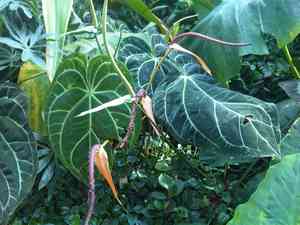
Flamingo flower captivates with its distinct and charming look, showcasing large, heart-shaped leaves with prominent white veins. This unique visual quality makes it a top choice for gardeners aiming to infuse elegance into their outdoor areas. The glossy foliage of Flamingo flower is not only attractive but also offers a textural contrast with other plants, enhancing your garden's overall beauty. Whether positioned in a shaded corner or as part of a vibrant plant arrangement, Flamingo flower is sure to attract attention and admiration.
Advantages of incorporating Flamingo flower into your outdoor environments
Integrating Flamingo flower into your landscape provides numerous benefits beyond its visual charm. This plant is known for its easy adaptability and vigorous growth, making it a low-maintenance option for both new and experienced gardeners. Furthermore, Flamingo flower can improve air quality by filtering toxins, contributing to a healthier outdoor environment. Its presence can create a calming and refreshing atmosphere, perfect for relaxation and enjoying nature's beauty right in your backyard.
Selecting the Ideal Location for Flamingo Flower
Factors to consider when choosing a site for Flamingo flower
To ensure Flamingo flower flourishes in your garden, selecting the right spot is crucial. Consider elements such as soil type, moisture levels, and wind exposure. Flamingo flower prefers well-draining soil rich in organic matter, which retains moisture without becoming waterlogged. Avoid placing the plant in overly windy areas as this can cause leaf damage. Additionally, consider the plant's mature size and ensure there's ample room for it to thrive without crowding other plants.
How light and shade influence the growth and appearance of Flamingo flower
Flamingo flower thrives in bright, indirect light and partial shade. While it can tolerate lower light conditions, its growth and leaf coloration are most vibrant with plenty of indirect sunlight. Direct sunlight can scorch the leaves, so it's crucial to provide some shade, especially during peak summer hours. Placing Flamingo flower under a canopy of taller plants or in the dappled shade of a tree can create an ideal environment for healthy growth and stunning visual appeal.
Integrating Flamingo Flower Into Your Landscape Design
Design tips for combining Flamingo flower with other plants
When designing your garden, consider how Flamingo flower can be harmoniously paired with other plants. Its bold foliage pairs beautifully with ferns, hostas, and ornamental grasses, creating a lush, layered look. Grouping Flamingo flower with plants of varying heights and textures can add depth and interest to your landscape. Additionally, using complementary colors can enhance the visual appeal, making your garden a captivating visual feast.
Creative concepts for utilizing Flamingo flower as a focal point
Flamingo flower can serve as a stunning focal point in various garden settings. Consider placing it in a decorative planter near your patio or entranceway to greet guests with its captivating beauty. Alternatively, create a secluded garden nook featuring Flamingo flower as the centerpiece, surrounded by lower-growing plants and decorative stones, offering a peaceful retreat. The key is to let Flamingo flower shine in a spot where its unique features can be fully appreciated.
Using Flamingo flower in borders and beds for visual impact
Incorporating Flamingo flower into garden borders and beds can significantly elevate the visual impact of your landscaping. Its striking leaves can create a bold border along pathways or around garden beds, drawing the eye and adding structure to the design. Paired with flowering plants, Flamingo flower can provide a dramatic backdrop that enhances the color and texture contrast, making your garden look well-planned and aesthetically pleasing.
Care Guidelines for Flamingo Flower in Landscapes
Simplifying the upkeep of Flamingo flower in an outdoor environment
Flamingo flower may appear exotic and delicate, but it's relatively easy to care for in an outdoor setting. Ensure regular watering, keeping the soil consistently moist but not waterlogged. Mulching around the base can help retain moisture and regulate soil temperature. Regularly check for pests and diseases, ensuring you address any issues promptly to maintain the plant's health and appearance.
Seasonal considerations for preserving Flamingo flower's beauty
To keep Flamingo flower looking its best year-round, consider the seasonal care it requires. During the growing season, monthly feeding with a balanced fertilizer can promote lush growth and vibrant leaves. In cooler climates, Flamingo flower may require protection or bringing indoors during the winter months to prevent frost damage. Prune any dead or damaged leaves to maintain a neat appearance and encourage new growth. By tailoring your care routine to the plant's seasonal needs, you can ensure Flamingo flower remains a striking feature in your garden throughout the year.



