Enhancing Your Garden Design with the Flamingo flower Plant: A Landscaping Guide
1
Select Flamingo flowers for their distinctive and brilliant blossoms that make an impression in any landscape.
2
Confirm Flamingo flowers get diffused illumination for peak development and vitality.
3
Pair Flamingo flowers with plants that thrive in shade to form aesthetically pleasing botanical arrangements.
Grasping the Significance of Anthurium in Garden Design
Why opt for Anthurium in your outdoor space?
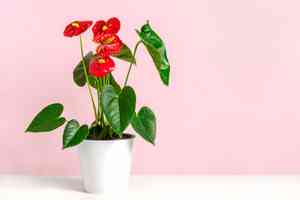
When selecting flora for your outdoor area, Anthurium presents an exceptional choice due to its distinctive and vivid appearance. The striking modified leaves and lustrous foliage of Anthurium can act as focal points, capturing attention and imparting an exotic elegance to your surroundings. Furthermore, Anthurium demands relatively little upkeep, offering enduring beauty with minimal effort. Its capacity to flourish in both indoor and outdoor settings makes it a adaptable selection for diverse landscape requirements.
The aesthetic advantages of incorporating Anthurium
Anthurium delivers several visual enhancements that elevate the general appeal of your garden. Firstly, its brilliant and bold hues can break the monotony of green leaves, introducing vivid bursts of red, pink, or white. This can be particularly impactful in shaded spots where color is often scarce. Moreover, the unique form of Anthurium's blooms can create a beautiful contrast with more conventional garden plants, fostering a dynamic and engaging landscape. Whether utilized as a solo specimen or part of a larger plant cluster, Anthurium can elevate the design quality of any garden area.
Selecting the Optimal Position for Anthurium
Evaluating your garden plot
Prior to planting Anthurium, allocate time to appraise your garden plot. Consider elements such as available room, existing flora, and overall garden aesthetic. Anthurium prefers soil that drains well and a spot that avoids direct, harsh sunlight. It's crucial to ensure the soil remains damp but not saturated, which can harm the plant. By carefully choosing the correct location, you can establish an environment where Anthurium will thrive and enrich the splendor of your landscape.
Illumination and shadow considerations for prime development
Anthurium flourishes best in environments with indirect, diffused light. Excessive direct sun exposure can scorch its leaves and cause blossoms to fade. Ideally, position Anthurium in a spot where it receives bright, indirect light for the majority of the day. This could be beneath a tree canopy, close to a shaded patio, or in an area where taller plants provide some cover. If you're cultivating Anthurium indoors, a location near an east or west-facing window that gets gentle morning or afternoon light would be perfect. Balancing light and shade will aid Anthurium in growing healthily and blooming vibrantly.
Integrating Anthurium with Other Flora
Companion plants that accentuate Anthurium's charm
Pairing Anthurium with companion plants can amplify its allure and produce a striking visual impact in your landscape. Consider selecting shade-loving plants with contrasting leaf textures and hues, such as ferns, hostas, or caladiums. These plants can provide a lush, green backdrop that highlights the vibrant colors of Anthurium. Additionally, ground covers like moss or creeping Jenny can add depth and diversity to the garden bed, creating a rich mosaic of colors and textures.
Crafting plant arrangements for visual appeal
Crafting visually appealing plant groupings with Anthurium necessitates thoughtful design and placement. Begin by considering the height and spread of various plants to ensure a balanced appearance. Position taller plants at the rear or center of the grouping and smaller ones around the periphery. Integrate plants with diverse leaf shapes and colors to create a visually dynamic arrangement. For example, combining the glossy, heart-shaped leaves of Anthurium with the delicate foliage of ferns can generate an eye-catching contrast. Furthermore, utilize decorative elements like stones, garden sculptures, or mulch to enhance the overall design and foster a cohesive, meticulously planned landscape.
Maintaining Anthurium in Your Landscape
Seasonal requirements for Anthurium
Different seasons demand varying care approaches for Anthurium. During warmer periods, ensure consistent irrigation to keep the soil moist, but be careful not to overwater, as standing water can lead to root rot. Periodically inspect for pests like aphids or spider mites, which are common in the growing season, and address any issues promptly. In colder months, it's vital to shield Anthurium from frost by relocating potted plants indoors or providing adequate covering for outdoor specimens. Adjust watering frequency as needed, since plant growth decelerates in winter, and overwatering can be harmful.
Simple pointers for ensuring Anthurium flourishes
To ensure Anthurium flourishes, adhere to these crucial tips: 1) Water moderately, making sure the soil remains consistently damp but not waterlogged. 2) Apply a balanced, water-soluble fertilizer monthly during the growing season for robust growth and vivid blooms. 3) Remove any dead or yellowing leaves to preserve plant health and aesthetics. 4) Regularly check for pests and promptly treat any infestations. 5) Keep Anthurium in a location with bright, indirect light and sufficient humidity. By following these straightforward recommendations, your Anthurium will thrive, adding beauty and intrigue to your landscape.



